
Trujillo: A Walled Town of Conquistadors, Without the Crowds
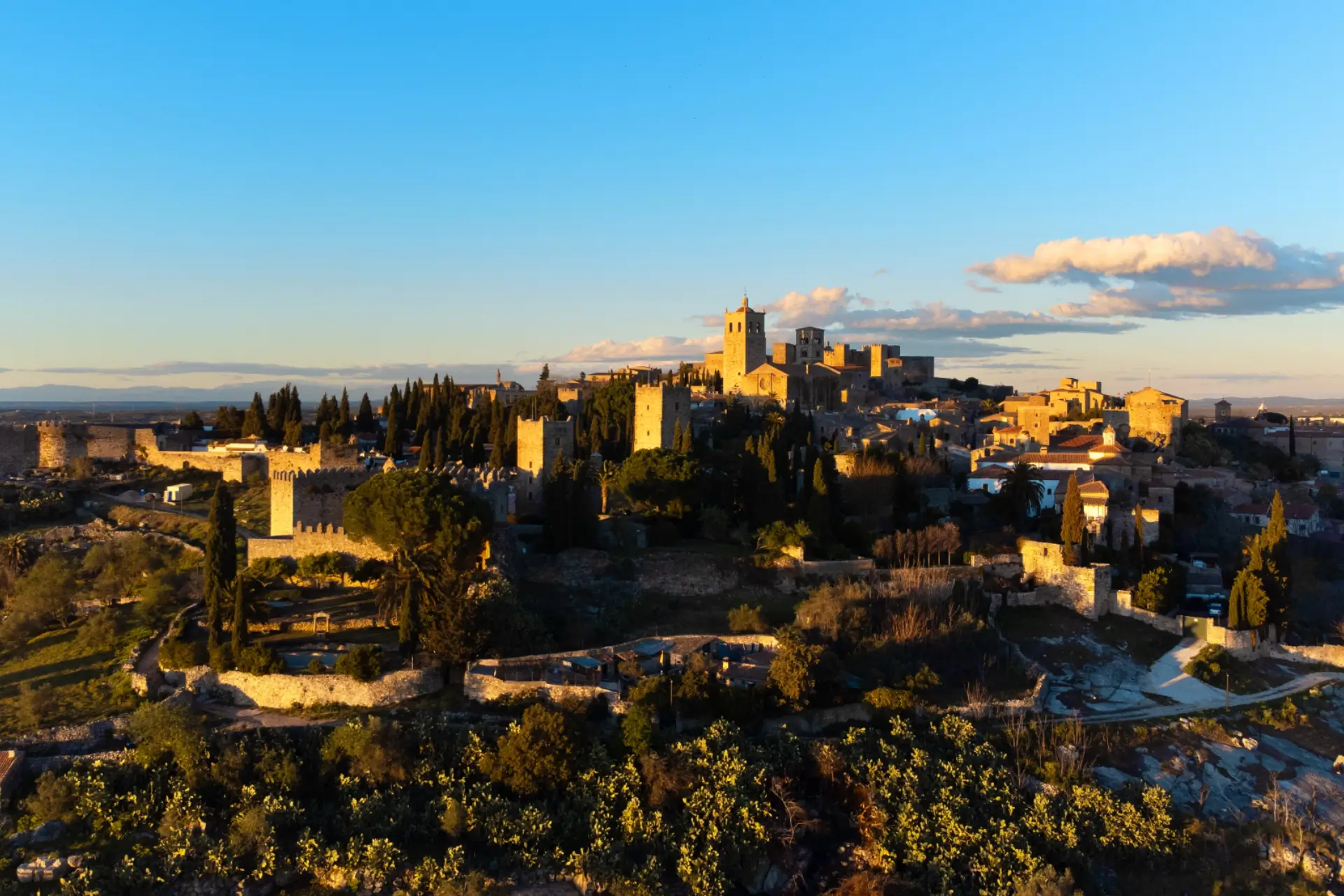
Trujillo sits on a granite hill in the heart of Extremadura, roughly halfway between Madrid and the Portuguese border. It was the birthplace of conquistadors Francisco Pizarro and Francisco de Orellana, and its grand square is ringed with palaces built on fortunes brought back from the Americas. Best of all, it offers that history almost without crowds — a monumental town you can still have largely to yourself.
Why Visit Trujillo
Trujillo looks far grander than its size. For one generation, it really was wealthy. In the 16th century its sons sailed to the Americas, and those who came back built Renaissance palaces around the square to show off their new status. The result is a small town with a monumental centre — and almost no mass tourism to dilute it.
Who Trujillo is for
Trujillo suits the traveller who wants real, lived-in Spain, not a theme-park version. The old town is small and easy to walk. The plaza is still used by locals, and the food is regional and honest — this is serious cheese and Iberian-pork country. You'll find a vast arcaded square, noble mansions, churches and a Moorish castle on the hilltop, all within an easy walk. Cross the Plaza Mayor at golden hour with room to spare. Climb to the castle for a wide view over the plains. Then find a quiet table for dinner.
It also makes a calm, central base. Cáceres, Mérida and the Monfragüe National Park are each about an hour away by car. The Guadalupe monastery is a little over an hour further into the hills. You come for the history and the quiet, and stay because nothing pushes you to rush.
Day trip or overnight?
You can walk Trujillo's old town in an afternoon, so many people come for a few hours from Cáceres or Mérida. But that means leaving just as the town gets good. The day-trippers head off in the late afternoon. The low sun turns the granite palaces gold, and by evening the Plaza Mayor and the lanes above it are almost yours.
Our honest advice: arrive after lunch, climb to the castle while the light is long, eat near the plaza, and stay the night. A perfect short visit looks like this. Reach Trujillo mid-afternoon and walk up through the noble quarter to the Moorish castle for the view over the plains. Drop back down to the Plaza Mayor at golden hour. Have dinner inside the old town, then cross the empty square once more after dark. Next morning, see the Casa-Museo Pizarro and the church of Santa María la Mayor before the first visitors arrive, then drive on. It is a day and a night — and the night is the part you'll remember.
What to See in Trujillo
Affiliate note: some links below are affiliate links. If you book through them, we may earn a small commission at no extra cost to you. It helps us keep GoHiddenSpain running and growing. We only suggest services we'd feel comfortable recommending.

Casa-Museo de Pizarro
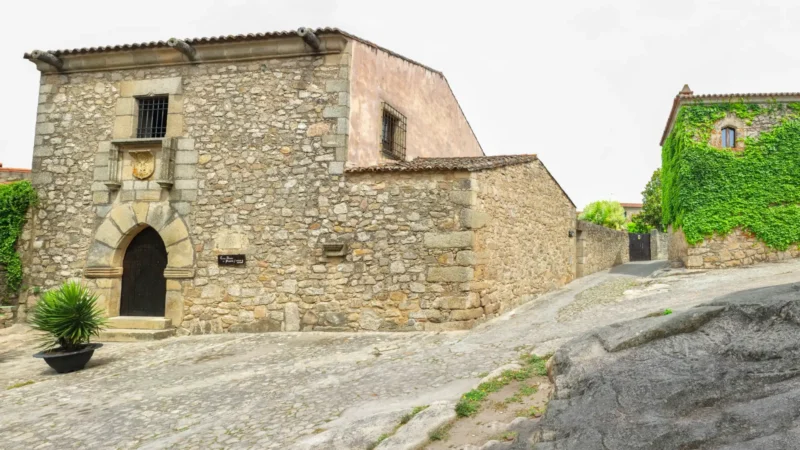
This house-museum sits in the upper old town, near the castle, in a building tied to the Pizarro family. The displays follow the life of Francisco Pizarro and the conquest of Peru, showing both the local and the American side of the story. It is small, and easy to combine with the walk up to the castle.
Iglesia de Santa María la Mayor
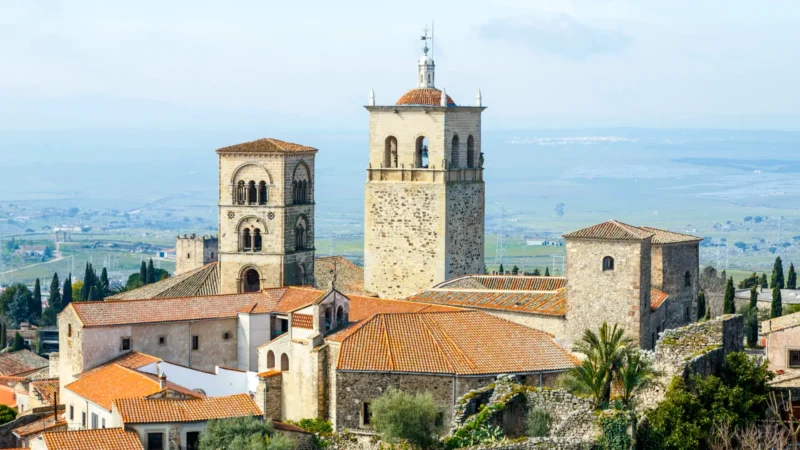
This church stands inside the old walls in the upper town. Building began in the 13th century, with later Gothic work added in the 15th and 16th centuries. Inside is a fine painted altarpiece by Fernando Gallego and his workshop, and a tower you can usually climb for another wide view over the rooftops. It is the most important religious monument in Trujillo.
Book entry + guided tour for Santa María la Mayor on TiqetsPalacio de la Conquista
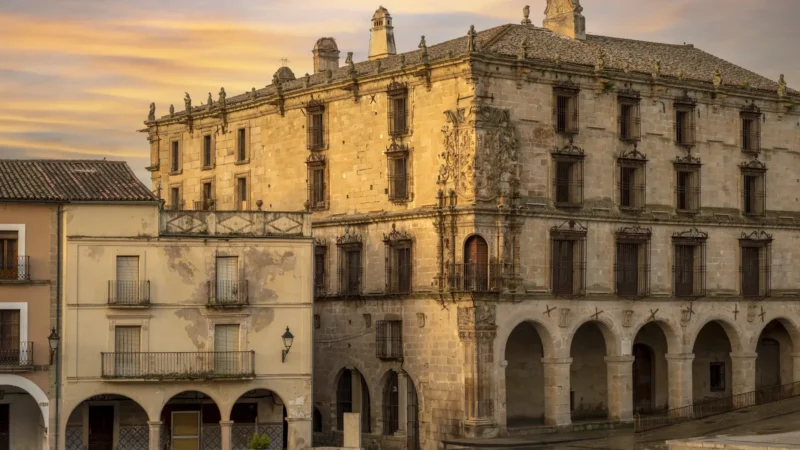
This 16th-century Renaissance palace stands on the Plaza Mayor. It is best known for the large carved coat of arms on its corner balcony, granted to the Pizarro family after the conquest of Peru. You view it from the square rather than go inside, but the façade alone tells the town’s story.
Plaza Mayor
Trujillo’s main square is one of the largest and finest in Spain, lined with arcades, palaces and terraces. At its centre is the bronze statue of Francisco Pizarro on horseback, the work of American sculptor Charles Rumsey. It is the natural place to start a visit, and a good spot to sit with a coffee and take in the buildings.
Trujillo Castle (Alcazaba)
The castle crowns the highest point of the town. The Moors built it from around the 9th century, with later medieval additions. The climb up through the old quarter is part of the appeal, and the ramparts give a wide view over the plains. Game of Thrones fans may recognise it: in season 7, the castle stood in for Casterly Rock, home of House Lannister.


What to Do in Trujillo
Walk the old town end to end
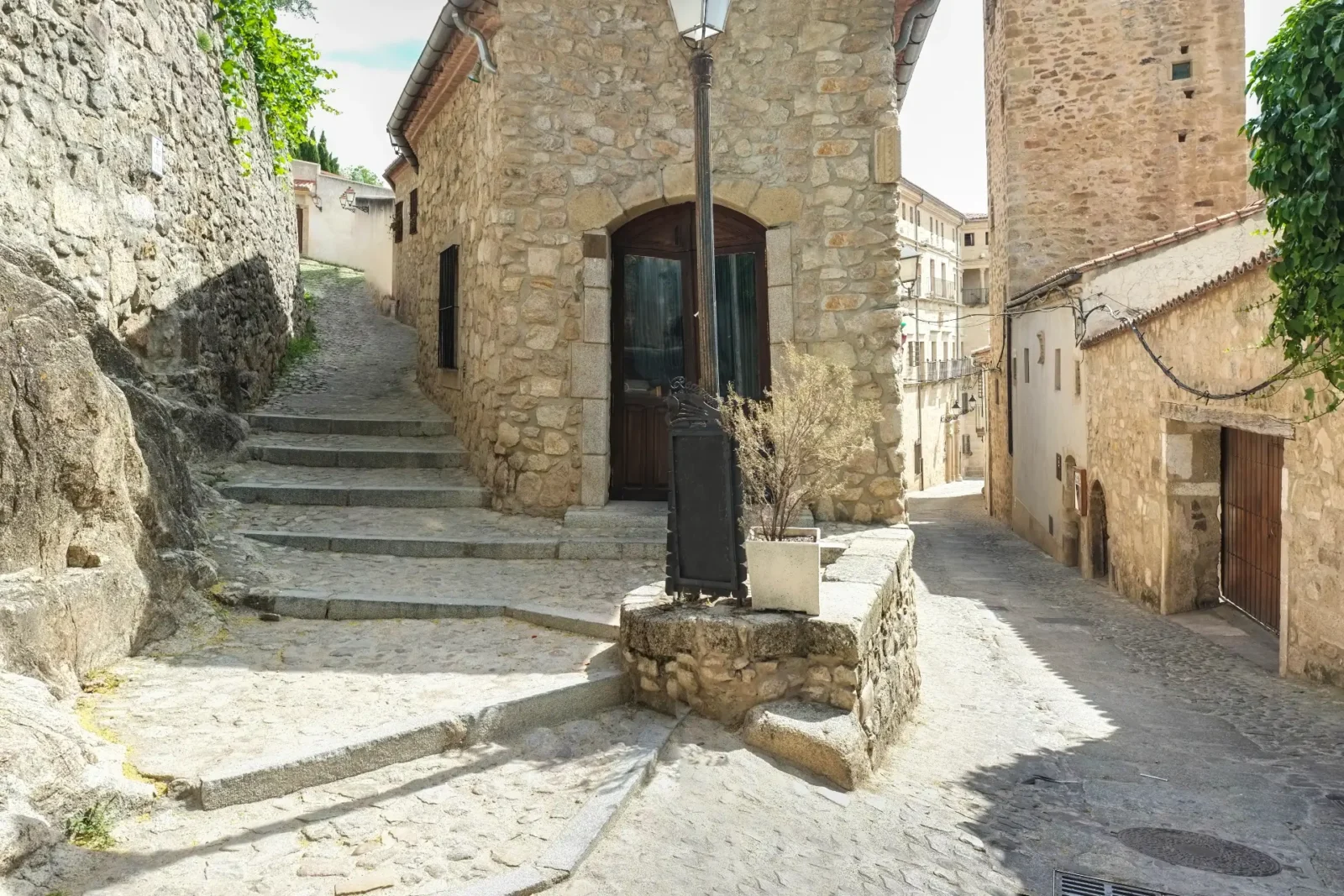
The best thing to do in Trujillo is simply walk it. Start at the Plaza Mayor and climb through narrow granite streets, past noble mansions and small squares, up to the castle at the top. It is a short climb, but a steady one — allow time, and wear good shoes.
Climb the castle for sunset
Time your walk up so you reach the ramparts in the late afternoon. That is when the light over the plains is best and the heat has eased. The view stretches for miles in every direction. Bring water in summer, as there is little shade on the way up.
Taste Extremadura's cheeses
Trujillo hosts Spain’s National Cheese Fair each spring, on the Plaza Mayor. The region makes several protected-origin cheeses, including the soft, spoonable Torta del Casar. Even outside fair season, local bars and shops are a good place to try them.
Day-trip to Monfragüe National Park
About 40 minutes north, Monfragüe is one of Spain’s best places to watch birds of prey. From the Salto del Gitano cliffs you can see large numbers of griffon vultures, plus the rare black stork and, if you are lucky, the Spanish imperial eagle. A car helps, and the best viewing is early morning or late afternoon.
Prefer to go with a guide for any of this? Ask where you're staying, or at the tourist office on Plaza Mayor — they'll know what's running, in which language, and can point you to something that fits.
Seasonal Events and Festivals
El Chíviri (Easter Sunday)Trujillo’s signature folk festival. On Easter Sunday the Plaza Mayor fills with people in traditional Extremaduran dress, singing and dancing in circles to old local songs. It is the loudest, most local day of the year, and a Fiesta of Regional Tourist Interest. The date moves with Easter each year, so check before you plan around it.
National Cheese Fair / Feria Nacional del Queso (late April–early May)Held on the Plaza Mayor since 1986, this is one of Spain’s best-known cheese events, with hundreds of cheeses, producers’ stalls, tastings and workshops. Entry to the fair is usually free; tasting tokens are bought on site. The exact dates shift a little each year, so check the official source before booking.
Getting There and Around
Trujillo sits just off the A-5 motorway, on the route between Madrid and Lisbon. That makes it an easy stop, or a central base for the region.
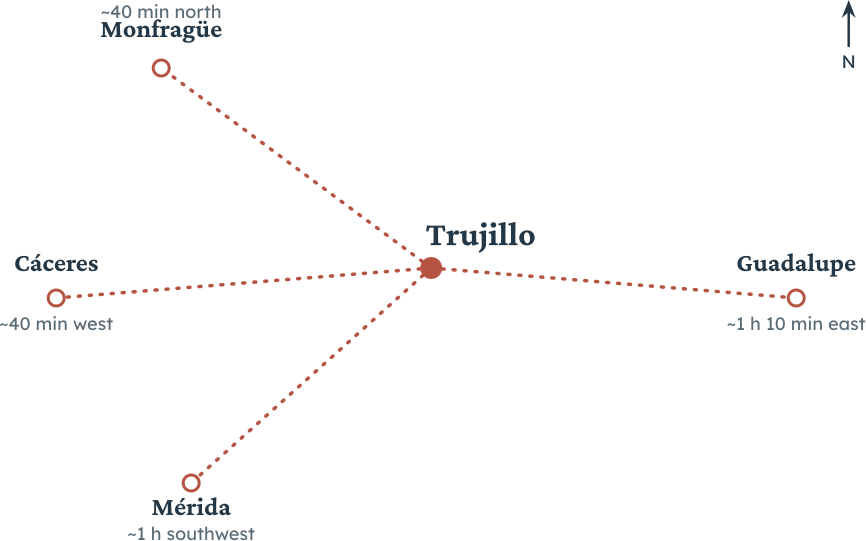
From Madridabout 2.5–3 hours by car via the A-5 (roughly 250 km). Buses also run from Madrid (Avanza), taking around 3.5–4 hours.
From Cáceresabout 40–45 minutes by car.
From Méridaabout 1 hour via the A-66.
Nearest large airportsMadrid (MAD) is the main international gateway, around 2.5–3 hours away. Seville (SVQ) is a similar distance to the south, handy if you are coming up from Andalusia.
Getting around
A car is the easiest way to combine Trujillo with Monfragüe, Guadalupe or the nearby villages. The town itself is small and walkable once you arrive. The old town is steep and partly pedestrian, with narrow cobbled streets, so most visitors park in or near the lower town and walk up. Access right into the historic centre is tight — a small car is easier.
Looking for a ready-made plan? See our Extremadura road trips.
Practical Info
- Climatehot, dry summers and mild winters. July and August are the hottest months, with highs around 34°C and little shade on the climb to the castle, so start early. April, May, September and October are the most comfortable, at roughly 18–29°C. Rain is concentrated in autumn (October is wettest); the rest of the year is dry and sunny.
- Best time of dayearly morning or late afternoon for the plaza and castle: cooler, quieter, and better light.
- Castle and museumsopening hours and entry fees change with the season and are modest. Confirm current times locally or at the tourist office before your visit.
- Tourist officeon the Plaza Mayor — a good first stop for current opening times and any festival dates.
- Parkingeasiest in the lower town; the historic centre is steep, narrow, and partly pedestrian.
- Walkingthe climb to the castle is short but steep, over cobbles — flat, sturdy shoes help.
- Accessibilitythe old town’s slopes and cobbles can be hard for limited mobility; the lower town and plaza edges are more manageable.
Where to Eat in Trujillo
You’ll eat and drink well in Trujillo, at every budget — this is hearty Extremaduran country, the land of acorn-fed Iberian ham, Torta del Casar cheese and slow-cooked lamb. Most of the good tables sit on or just off the Plaza Mayor, so it’s easy: for a casual lunch while you’re out walking, the square and its edges are full of good-value spots; for dinner, settle into one of the old-town kitchens and let the evening run long. The picks below cover both, from a quick tapas lunch to a special-occasion table.
A polished kitchen in a historic house a short walk from the square, with a pretty courtyard for warm-evening dining. The cooking is traditional Extremadura with a modern, “neorural” turn and a notable wine list — the town’s choice when you want to make dinner an occasion without paying city prices.
A characterful tapas spot on the square, all Iberian ham, croquettes and tostas piled with local meats, best enjoyed on the terrace with the plaza in front of you. Central, easy and reliably busy — a good first stop when you arrive.
La Bodeguita Trujillo
A small, well-loved place on the square for honest Extremaduran cooking that punches above its price. It’s known for its croquettes — the oxtail ones especially — plus torreznos and huevos rotos, with lovely views over the plaza.
A century-old institution right on the Plaza Mayor, beloved by locals and visitors for generous, no-nonsense home cooking. The migas (fried breadcrumbs with egg) and the lamb caldereta are the things to order — come hungry, because the portions are huge and the set menu is a steal.
A stone mansion in the old town where oak embers do the talking — the grill work draws on time spent at the famed Etxebarri asador, and the result is traditional Extremaduran cooking with a contemporary, smoke-led edge across several tasting menus. Listed in the Michelin Guide and awarded a Repsol Sun. Portions lean refined rather than large, so come for the craft, not the quantity.
One of the better tables facing the Plaza Mayor, well-regarded for warm service and quality regional cooking, with grilled meats from the local pastures. Save room for the Torta del Casar cheesecake — it gets ordered table after table.
Where to Stay in Trujillo
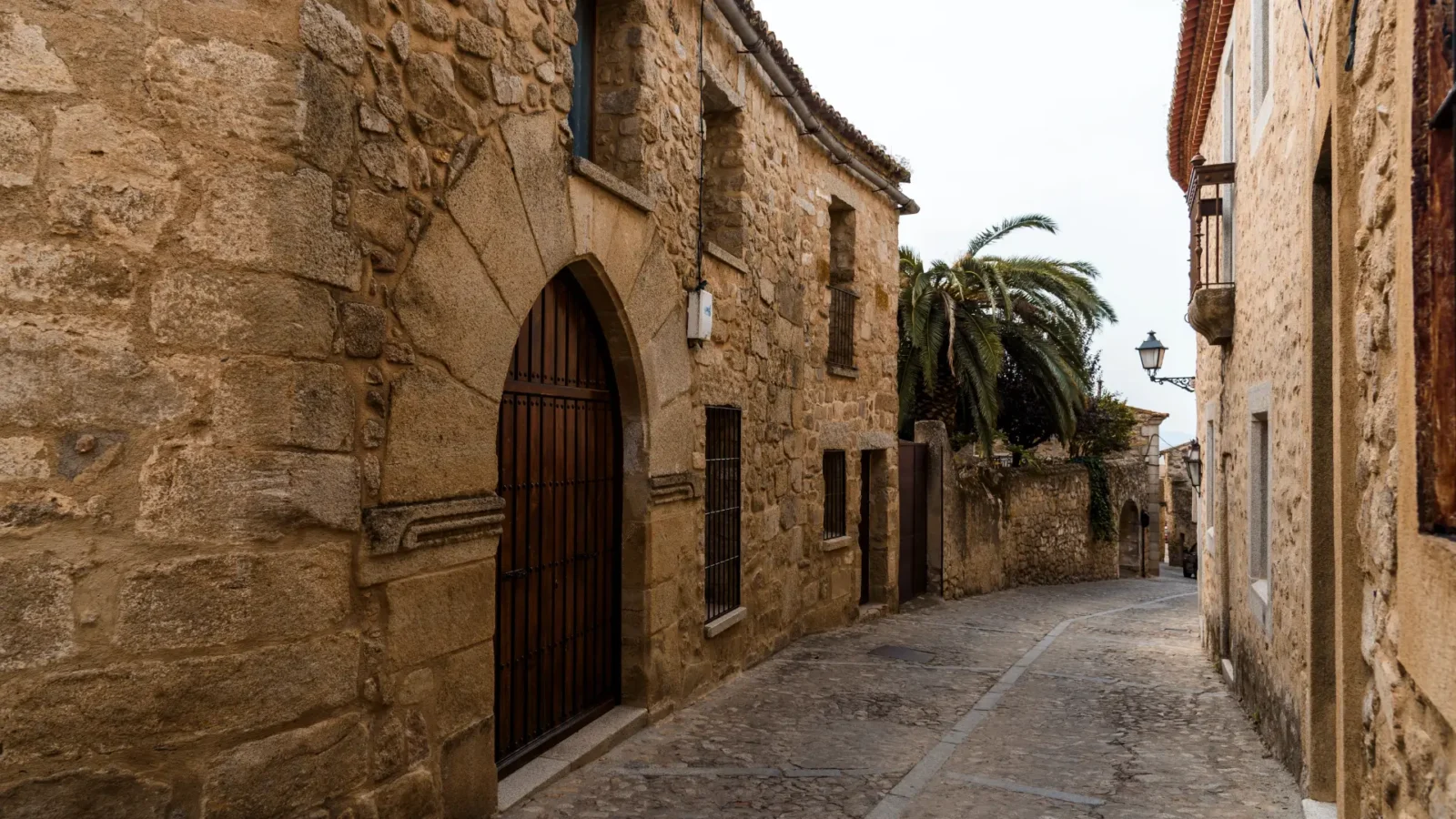
Stay the night, and Trujillo changes. Once the day-trippers drive off in the late afternoon, the Plaza Mayor empties, the granite turns gold, and the lamplit lanes up to the castle are yours alone — the version of the town most visitors never see. From restored historic houses inside the old walls to characterful country fincas just outside, here’s where we’d stay, across every budget.
Finca El Azahar
A 19th-century winery turned five-suite country retreat, ten minutes out of town among olive groves and vines. A saltwater pool, breakfast from the garden, dark skies for stargazing and a long birdwatching tradition — the place to slow right down and let the dust of the road settle.
Check prices & availability for Finca El Azahar on the accommodation's websiteHotel Rural El Medievo
A small, adults-only four-star place just steps from the Plaza Mayor — tastefully done, quiet, and known for warm, personal service. A comfortable middle option with real local character.
Check prices & availability for Hotel Rural El Medievo on the accommodation's websiteEurostars Palacio Santa Marta
A comfortable four-star hotel in a restored old palace, a short walk from the Plaza Mayor and with its own private parking — the easy, reliable choice when you want character without giving up modern hotel comforts.
Check prices & availability for Eurostars Palacio Santa Marta on the accommodation's websiteHotel Boutique Casa de Orellana
High in the walled old town, in the 16th-century house where Amazon explorer Francisco de Orellana was born, this is Trujillo’s most special-occasion stay. Just five individually styled suites, interiors by the late designer Duarte Pinto Coelho, a walled garden and a private dipping pool beneath the church tower.
Check prices & availability for Hotel Boutique Casa de Orellana on the accommodation's websiteParador de Trujillo
Sleep inside a 16th-century former convent — Santa Clara — with a calm Renaissance cloister at its heart, a pool, and a central setting a few minutes from the plaza. The kind of building you come to Spain hoping to stay in, not just look at.
Check prices & availability for Parador de Trujillo on the accommodation's websitePosada Dos Orillas
A beautifully restored old house in the historic centre, warmly run and very well reviewed, with a pretty courtyard to come home to. Excellent value for this much character so close to the plaza.
Check prices & availability for Posada Dos Orillas on the accommodation's website
Region, Nearby and Routes
Part of Extremadura
Trujillo is in Extremadura
Part of these routes
Trujillo is one stop on our 4 day Extremadura Medieval Trail
Trujillo is also a stop on our Castilla y León & Extremadura Road Trip: 9 Days
Nearby places
- MéridaRoman Spain’s old capital, with a UNESCO ensemble of theatre, amphitheatre and aqueduct in a calm, walkable city.
- CáceresA complete walled medieval old town of palaces, towers and stork nests — UNESCO-listed and famous on screen, yet still quiet to walk.
- GuadalupeA medieval village built around a great UNESCO pilgrimage monastery, deep in the Villuercas mountains.
Frequently Asked Questions
Yes. It is a small but monumental town with one of Spain’s grandest squares, a Moorish castle and deep conquistador history — and far fewer crowds than better-known destinations. It is especially worthwhile if you prefer authentic, uncrowded places.
Trujillo is the birthplace of the conquistadors Francisco Pizarro and Francisco de Orellana. It is also known for its large arcaded Plaza Mayor, lined with Renaissance palaces, its hilltop Moorish castle, and Spain’s National Cheese Fair each spring.
Half a day covers the main sights, but an overnight stay is better. Staying lets you see the plaza and castle at quiet hours, and use the town as a base for Cáceres, Mérida, Guadalupe or Monfragüe.
Spring (April–May) and early autumn (September–October) are ideal, at around 18–29°C with soft light on the golden stone. Summers are very hot — July and August highs reach about 34°C — so sightsee early or late. Easter brings the lively Chíviri festival, and late April to early May brings the National Cheese Fair.
Yes. It is about 40 minutes from Cáceres and around an hour from Mérida, so it works well as a day trip from either. With more time, an overnight stay is more rewarding.
Most visitors stay in or just below the old town, within walking distance of the Plaza Mayor. Options run from simple guesthouses to a parador in a former convent and a boutique hotel in a conquistador’s birthplace — see our picks above.
The Plaza Mayor and the streets around it hold most of the town’s restaurants, from traditional Extremaduran spots to more contemporary kitchens. The region is known for its cheeses and Iberian pork.