
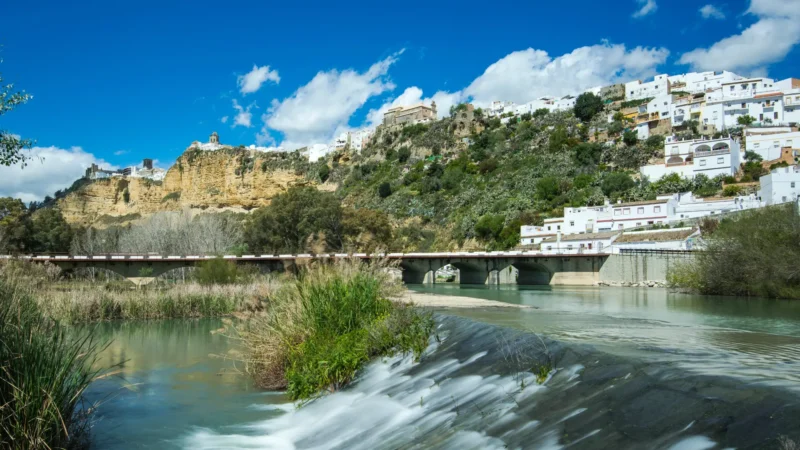
Arcos de la Frontera crowns a sandstone cliff above the Guadalete, the gateway to Andalucía’s white villages. Climb its Moorish lanes to Plaza del Cabildo for sweeping, uncrowded views.
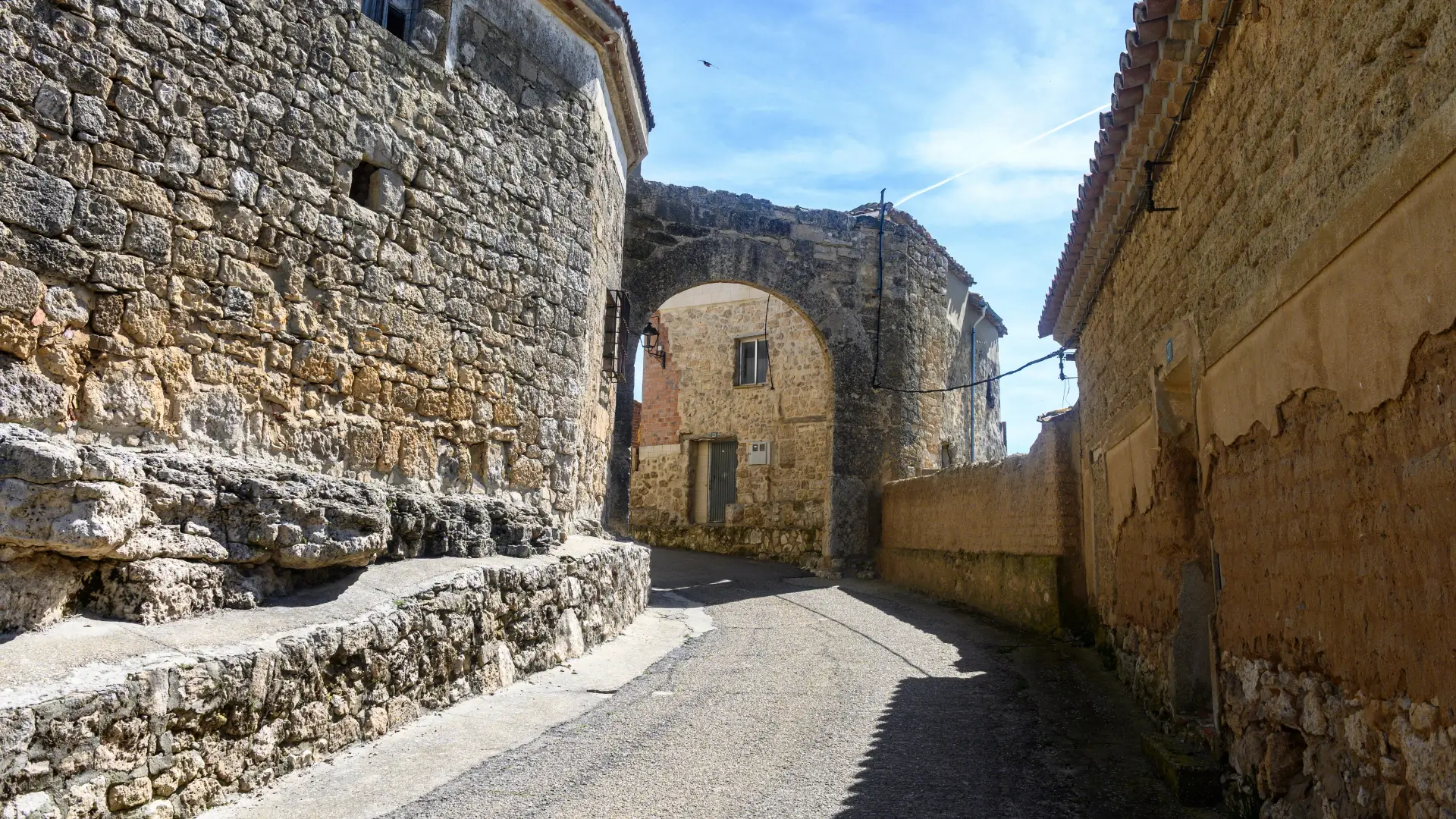
Towns, villages, viewpoints and corners worth the detour — the kind of places most visitors drive past. Each guide covers what to see, where to eat, and where to stay, written for travellers who’d rather find the real thing than the crowded one. Browse them all below.
Arcos de la Frontera crowns a sandstone cliff above the Guadalete, the gateway to Andalucía’s white villages. Climb its Moorish lanes to Plaza del Cabildo for sweeping, uncrowded views.
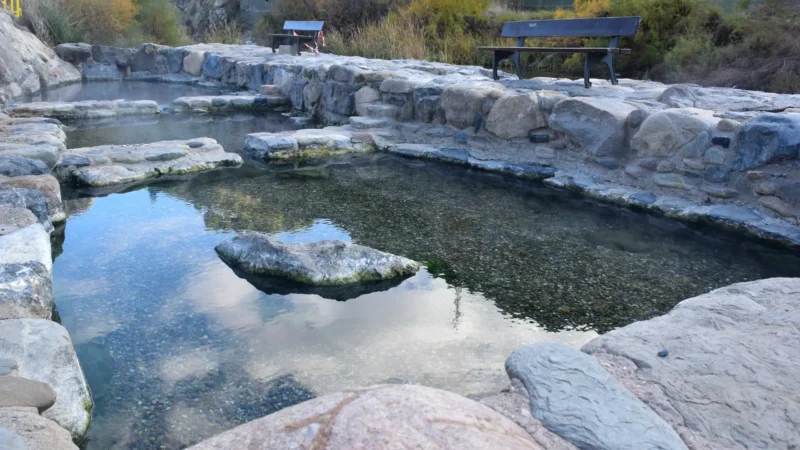
A small spa village at the head of La Rioja’s Cidacos valley, where hot springs fill free pools beside the river and griffon vultures nest on the cliffs above.
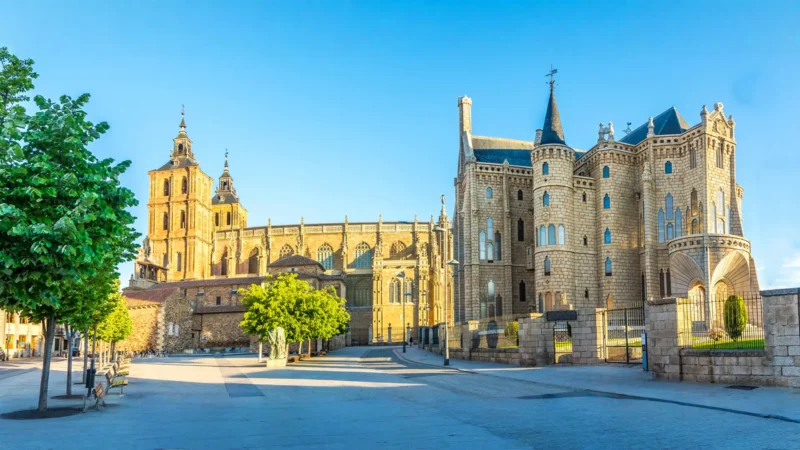
A small Maragato town where a Gaudí palace stands beside a Gothic cathedral, Roman remains run under the streets, and the local cocido is famous — calm beyond its two big sights.
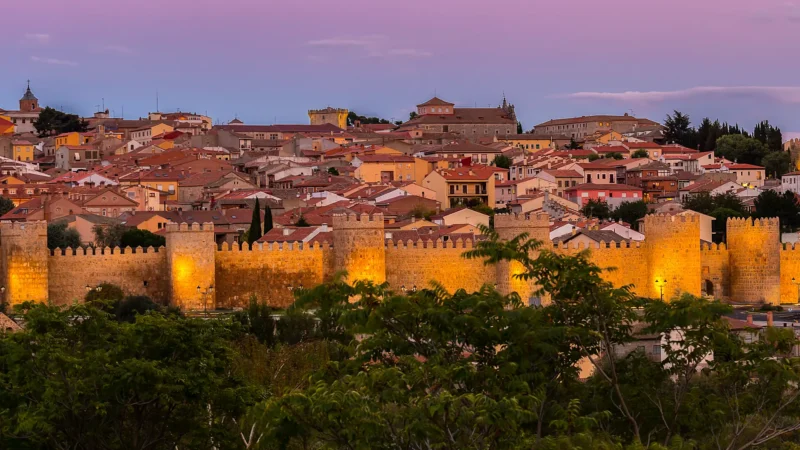
Spain’s most complete medieval walls wrap a high, quiet city of stone in Castilla y León — a fortress-cathedral, St Teresa’s heritage and long empty evenings once the day-trippers leave.
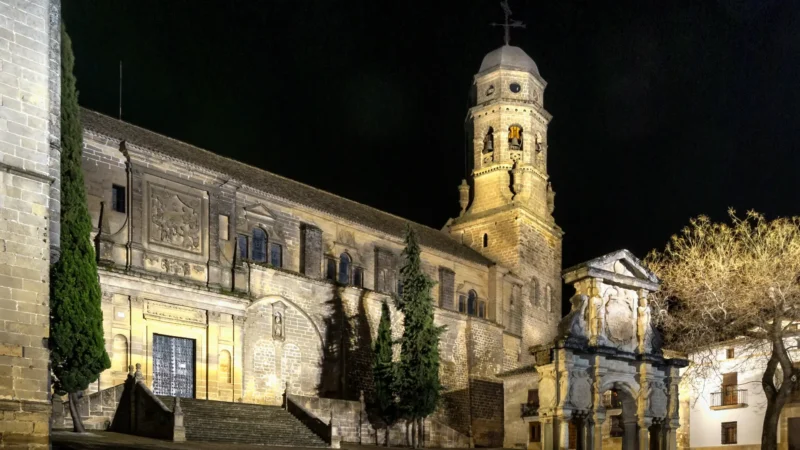
A small, golden-stone Renaissance town in Jaén’s olive country — UNESCO-listed with Úbeda, but calmer, walkable and easy to fall for.
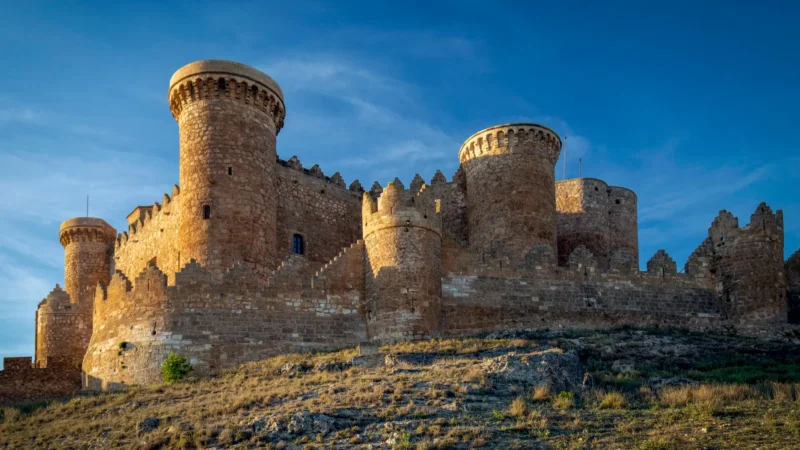
A complete walled town in Cuenca, crowned by one of Spain’s best-preserved 15th-century castles. Just off the windmill trail, Belmonte rewards a slow visit and a quiet night.
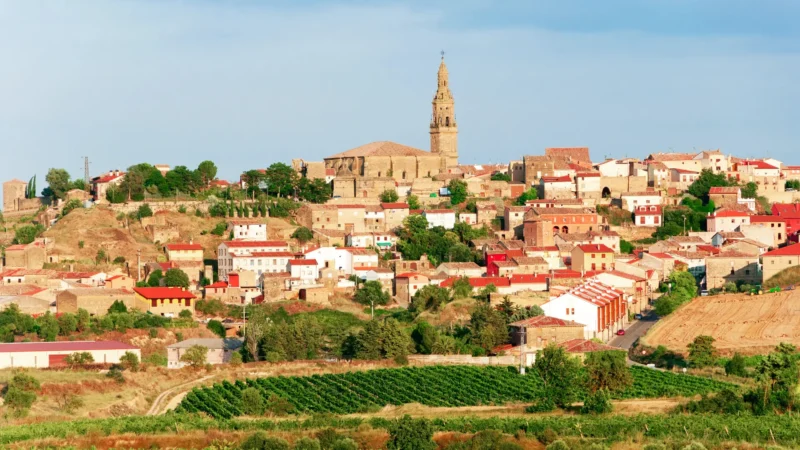
A walled medieval village on a hill in Rioja Alta, Briones pairs one of the world’s finest wine museums with quiet old streets and wide views over the Ebro.
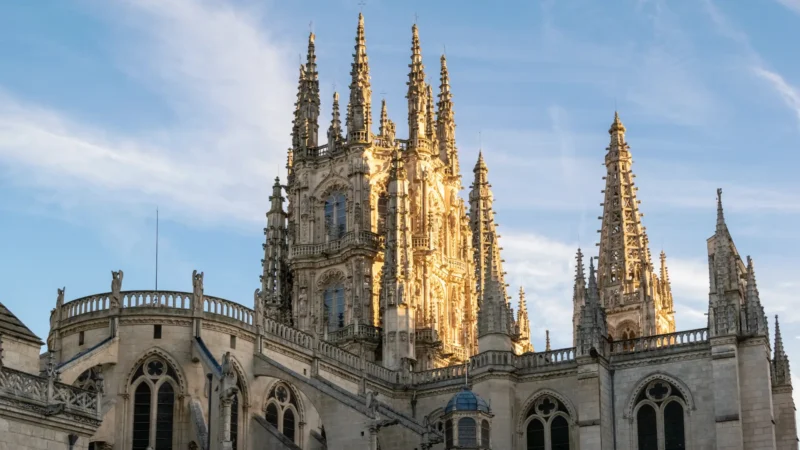
A working Castilian city on the Camino Francés, Burgos pairs one of Spain’s finest Gothic cathedrals with quiet cloisters, riverside walks and famous morcilla — calm outside the headline hours.
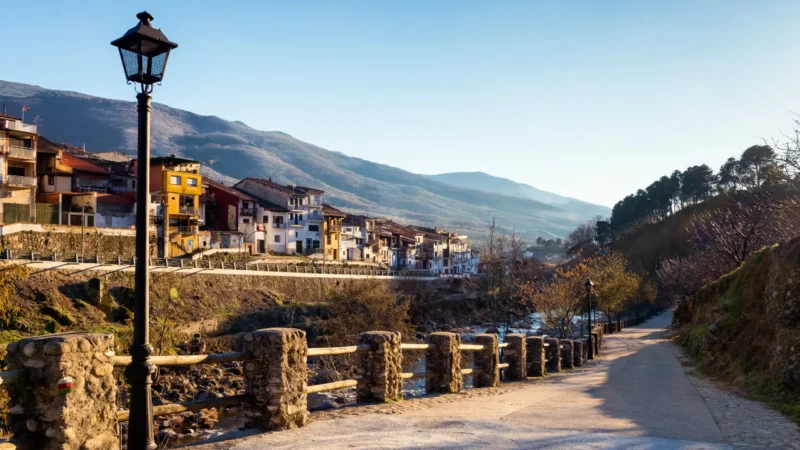
The best-preserved old town in the Jerte Valley, wrapped in a million cherry trees. A quiet, walkable base for orchards, gorges and mountain villages in northern Extremadura.
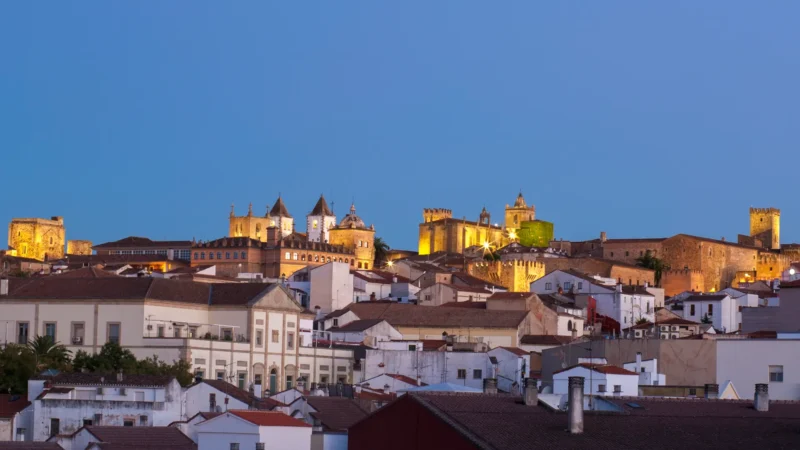
A complete walled medieval old town of palaces, towers and stork nests in western Spain. UNESCO-listed, known to Game of Thrones fans, yet still calm and uncrowded.
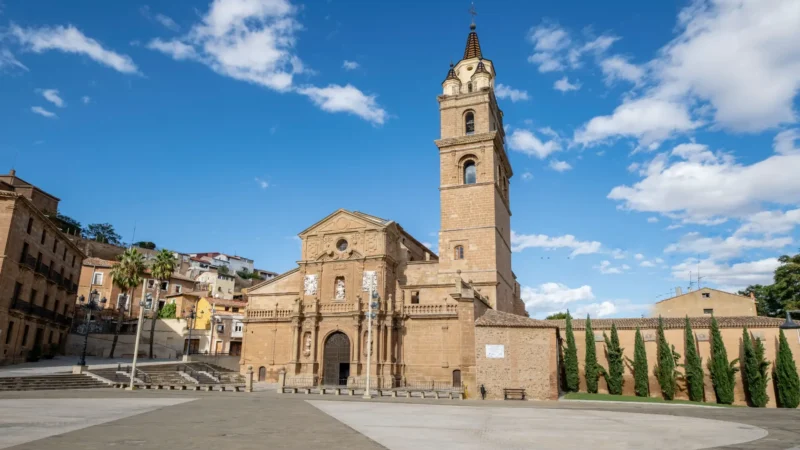
A Roman-founded hill town where the Cidacos meets the Ebro, with a riverside cathedral, a hilltop Jewish quarter and the market gardens that feed La Rioja.
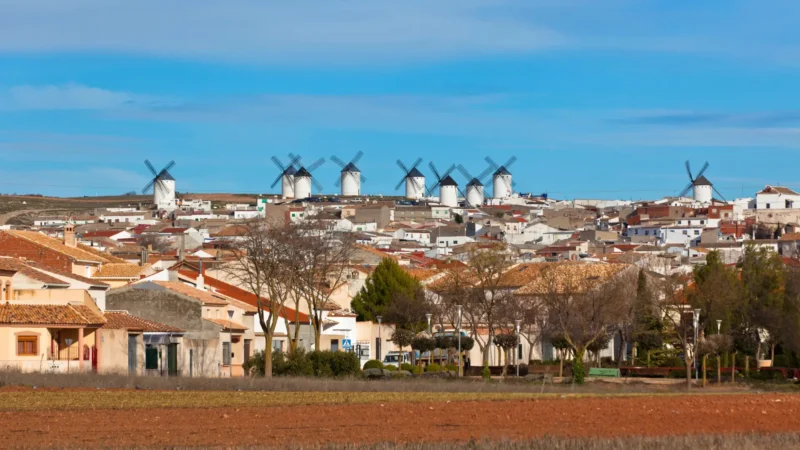
Ten white windmills crown the hill above Campo de Criptana, in Ciudad Real — the giants of Don Quixote, rising straight from a whitewashed old town rather than a bare ridge.
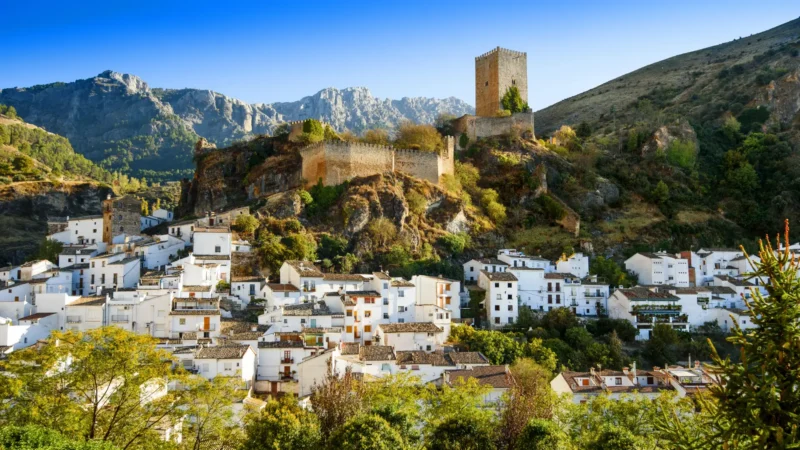
A whitewashed town under a Moorish castle in Jaén, Cazorla is the quiet gateway to Spain’s largest natural park — mountains, gorges and the source of the Guadalquivir.
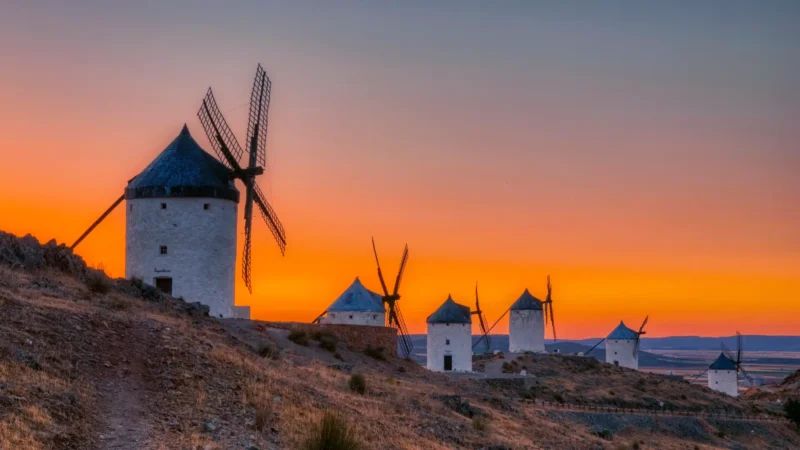
A line of twelve windmills and a medieval castle crown the ridge above Consuegra, in Toledo province — the postcard of La Mancha, best seen at dawn or dusk once the coaches have gone.
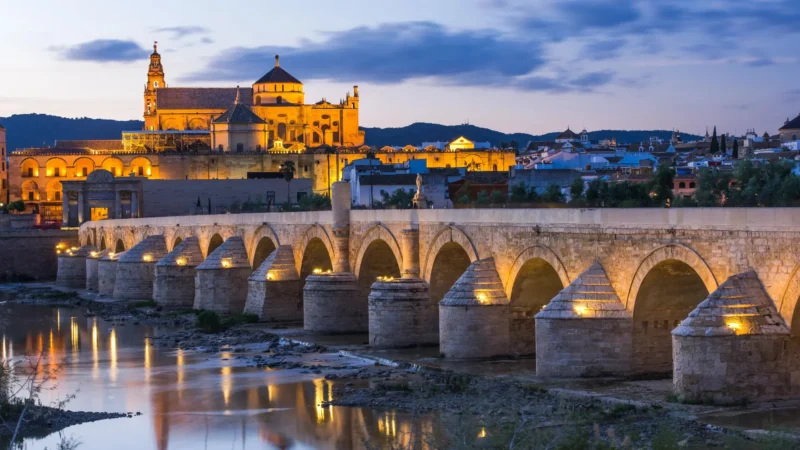
A great caliphal capital on the Guadalquivir, Córdoba wraps a world-famous mosque-cathedral in a small, walkable old town — best seen early, late and slow, not on a rushed day trip.
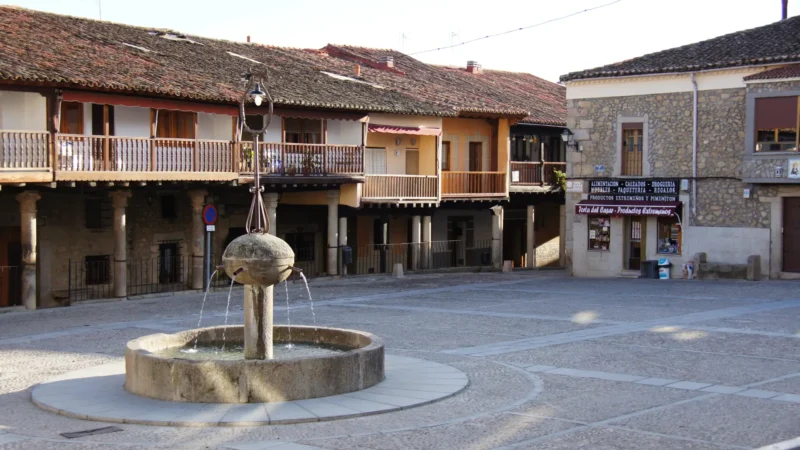
A timber-and-stone village in La Vera, beside the monastery where Emperor Charles V chose to die. Arcaded plazas, paprika country and a deep-history quarter, almost free of crowds.
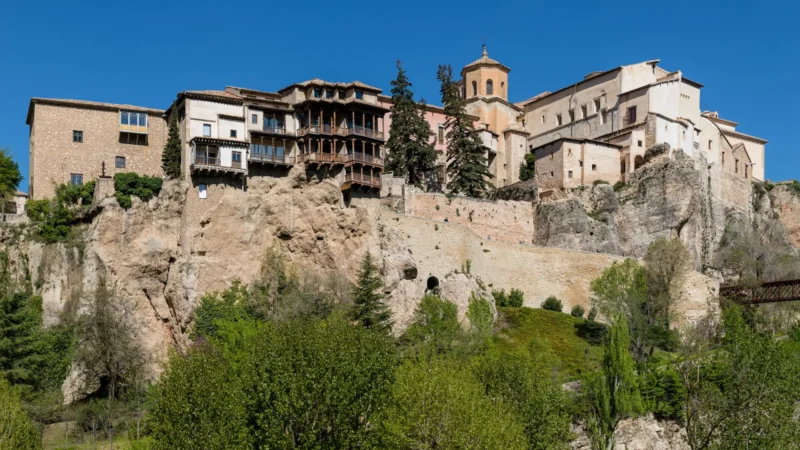
A UNESCO city where medieval houses hang over a river gorge in Castilla-La Mancha. Busy by day, magical at dawn and after dark — the road-tripper’s first stop into the mountains.
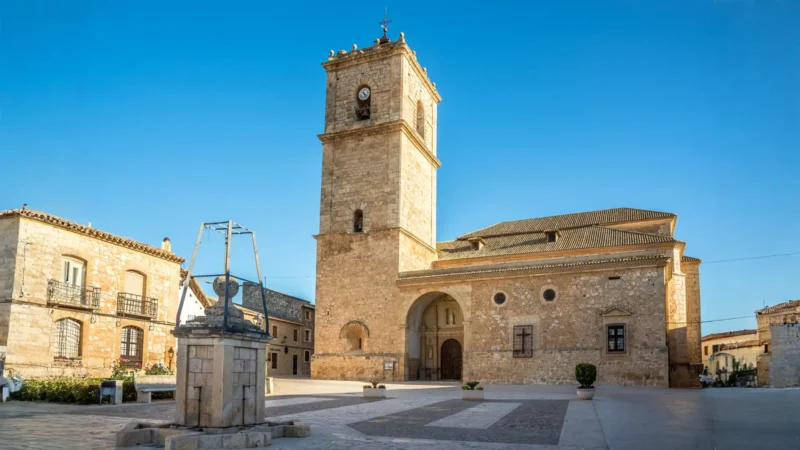
The Toledo village Cervantes chose as Dulcinea’s home: a calm white town of tiled Quixote quotes, a vast Gothic church and small museums, best seen slowly and overnight.
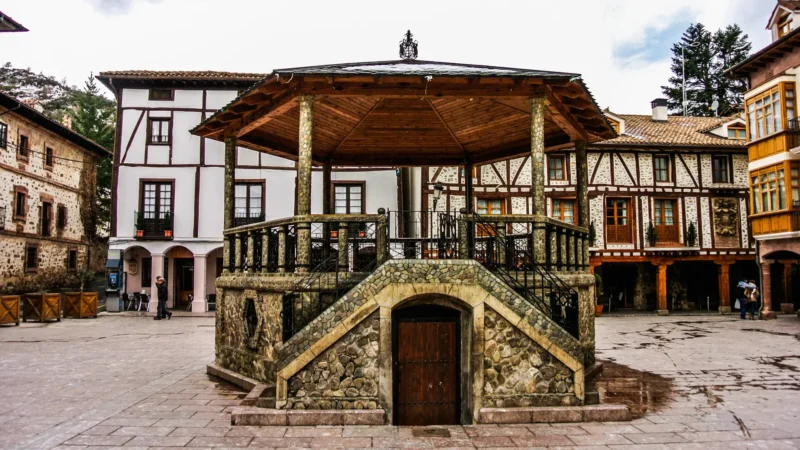
A mountain town in western La Rioja, off the wine trail: arcaded stone squares, cool forest air, valley walks and a two-star kitchen in a village of two thousand.
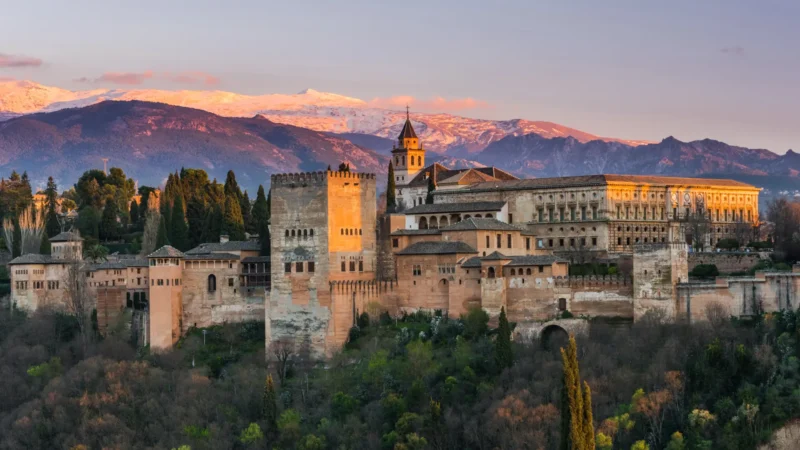
The city below the Sierra Nevada, home to the world-famous Alhambra. Come for the great Moorish palace, stay for free tapas, the Albaicín at dawn and long lamplit evenings.
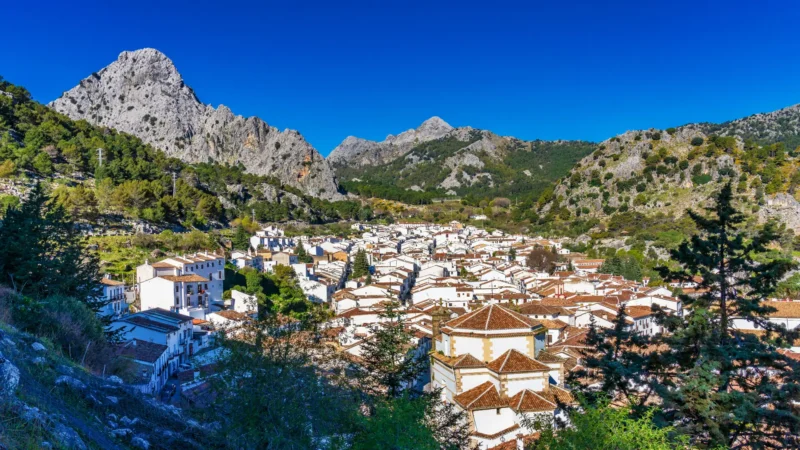
A white mountain village inside the Sierra de Grazalema Natural Park, Spain’s rainiest corner. Come for big limestone hikes, griffon vultures and payoyo cheese — and cool, quiet evenings at 800 metres.
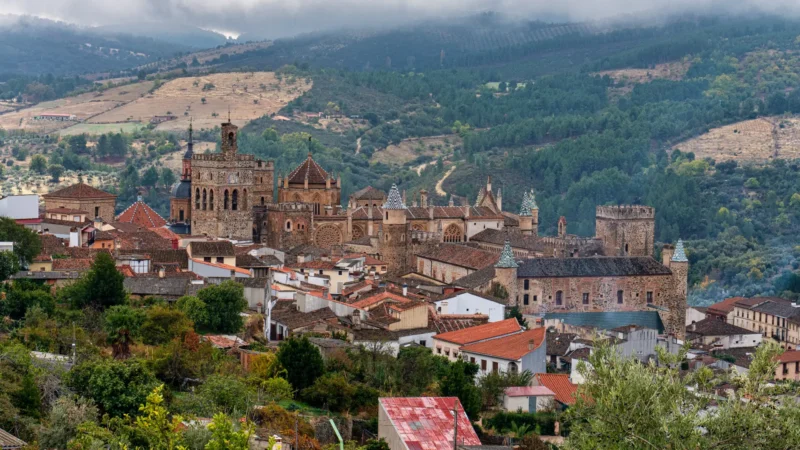
A medieval village wrapped around one of Spain’s great monasteries, set deep in the uncrowded Villuercas mountains of eastern Extremadura.
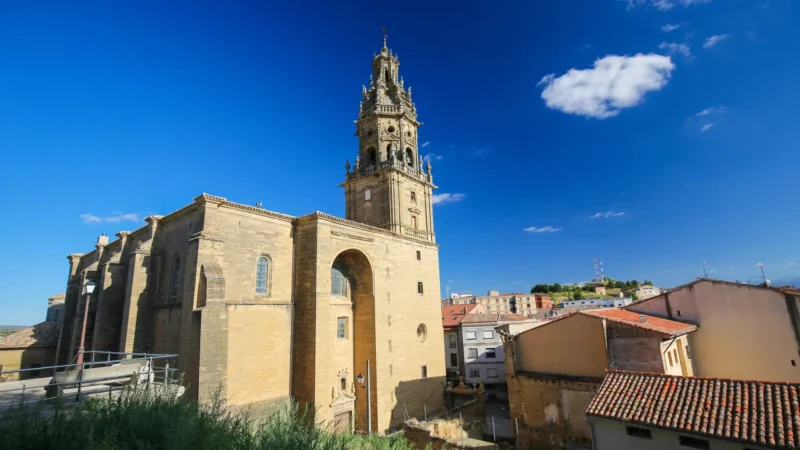
The wine capital of La Rioja, where the world’s densest cluster of century-old bodegas sits by the old railway station, below a hilltop old town of tapas bars and stone lanes.
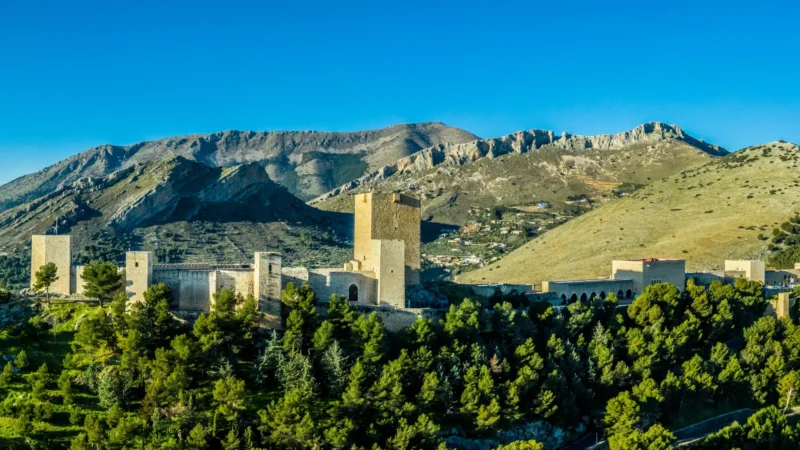
Andalucía’s overlooked provincial capital: a giant Renaissance cathedral, the largest Arab baths in Spain, and a castle mirador above endless olive groves.