
Calahorra: Roman streets and market gardens above the Ebro
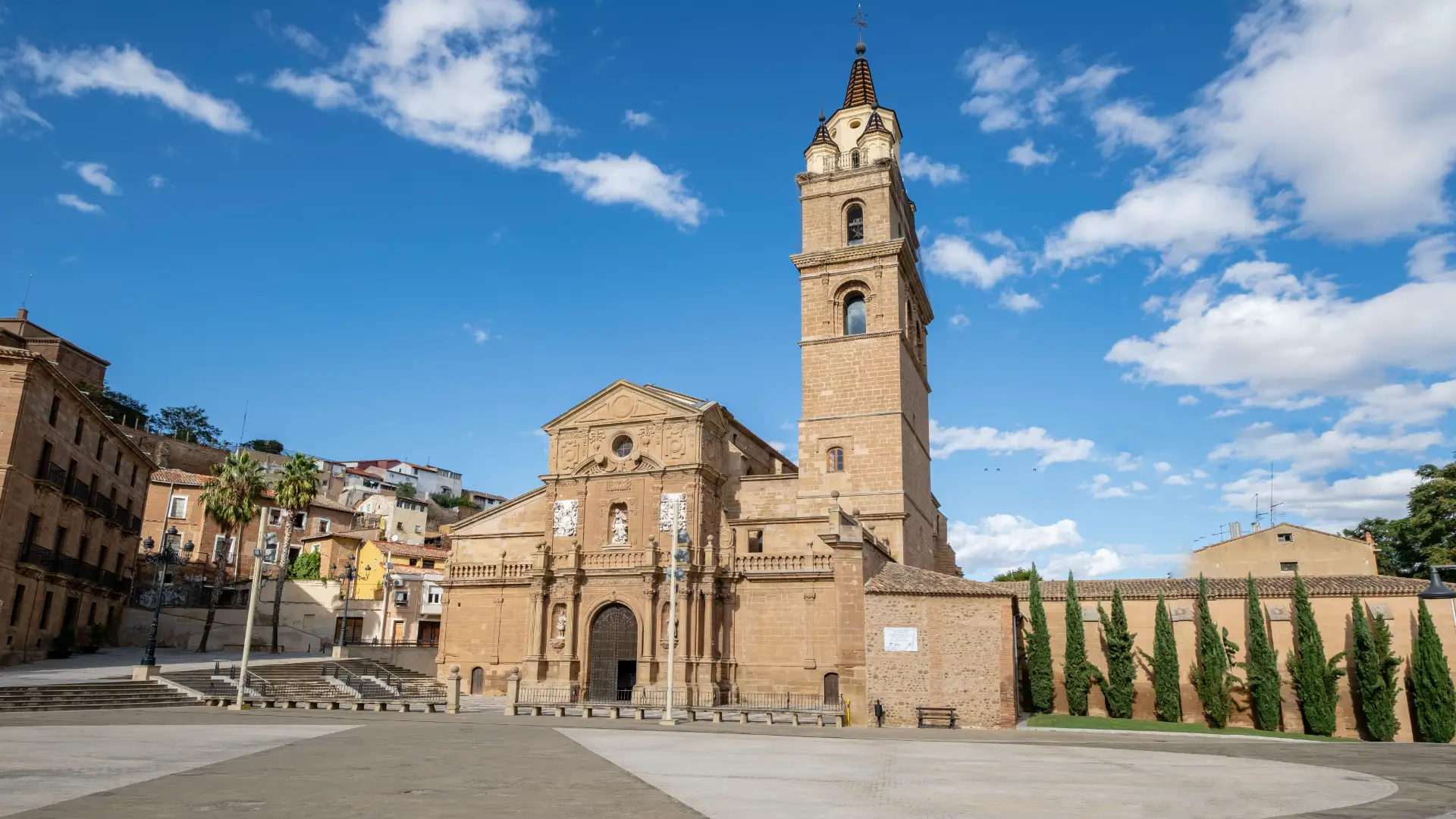
Calahorra is the capital of Rioja Baja, in the east of La Rioja. The Romans called it Calagurris, and you still walk over their town: the main promenade follows the line of the old circus. The cathedral stands down by the river, and the old Jewish quarter sits at the top of the hill. Market gardens fill the valley below. It is a working town, not a tourist town.
Why Visit Calahorra
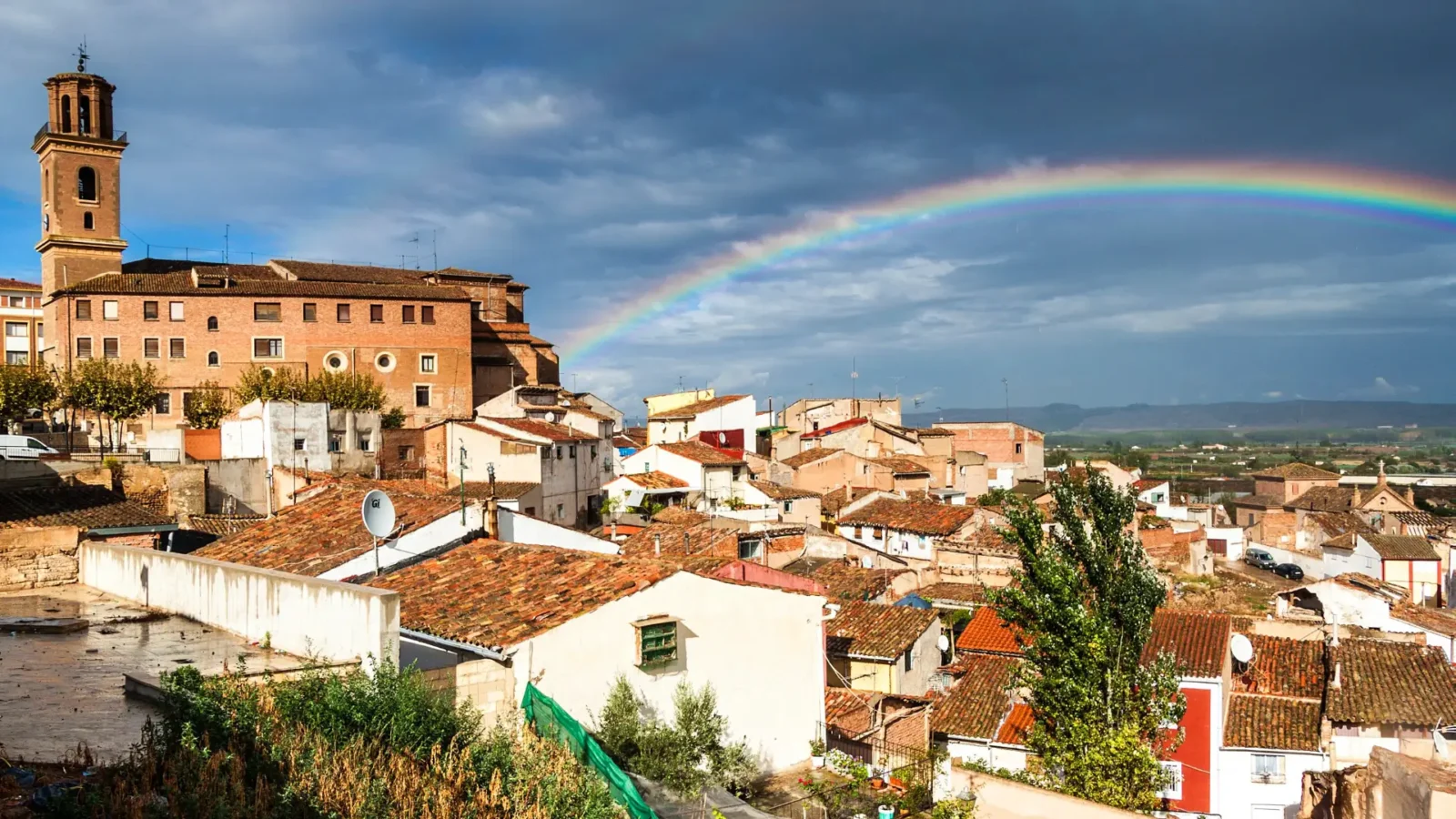
Calahorra is a working town of about 25,000 people, the second largest in La Rioja. It sits on a hill where the Cidacos river meets the Ebro. That position made it important for more than 2,000 years. In the first century BC it sided with the rebel general Sertorius against Rome, and held out through a long siege and famine. Under Rome it grew into a town with a circus, baths and walls. The writer Quintilian, who taught Rome how to speak in public, was born here.
The town is built the other way round. The cathedral stands at the bottom, by the river, on the spot where two Roman soldiers were put to death for their faith. The Jewish quarter, once the largest in La Rioja, took the top of the hill. In between, steep lanes climb past stretches of Roman wall.
Who Calahorra is for
Calahorra suits the traveller who likes a real town more than a pretty postcard. The shops, bars and weekly market are there for the people who live here. On a Thursday morning, growers lay out whatever is in season on the Plaza del Raso. It also makes an easy base for Rioja Baja. The Cidacos valley, Arnedillo's hot springs and the storks of Alfaro are all within 35 minutes.
Day trip or overnight?
You can see Calahorra in a day trip from Logroño, 40 minutes away. The cathedral, the old town and the Roman remains fit into one long day. But a day trip misses the evening, when people come out to walk the Paseo del Mercadal and the bars get busy. Stay on a Wednesday night and you also catch the Thursday market on the Plaza del Raso. Our honest advice: stay one night. A perfect short visit looks like this: arrive in the afternoon and climb to the Jewish quarter for the view over both rivers. Then walk down the Paseo del Mercadal for an evening drink. Next morning, see the cathedral and its museum as they open. Buy nuns' pastries, and vegetables if it is a Thursday, then drive on up the Cidacos valley.
What to See in Calahorra
Cathedral of Santa María and Diocesan Museum
The cathedral stands low beside the Cidacos, where tradition says the Roman soldiers Emeterio and Celedonio were beheaded around the year 300. Work began in 1484 in Gothic style, and a baroque front came later. Its museum fills the cloister. Look for a 12th-century Bible written on parchment, a silver monstrance given by King Henry IV and part of a 15th-century Torah scroll. One ticket covers the church and the museum, with an audio guide. Tourist visits stop on Sundays and religious holidays, and during services.
Open in Google MapsPlaza del Raso and the market hall
The Plaza del Raso is the town’s main square and its meeting place. On one side stands the neoclassical church of Santiago. On another is the Mercado de Abastos, the market hall from 1945, with the tourist office inside. The town is turning the hall into a food hall, with stalls for tasting, local produce and small bars. Come on a Thursday morning, when growers sell their vegetables on the square outside.
Open in Google MapsThe Jewish quarter and the Rasillo de San Francisco
Calahorra’s Jewish community lived at the very top of the town, behind its own wall. By the 15th century about 600 people lived here, until the expulsion of 1492. The poet and scholar Abraham ibn Ezra spent his last years in Calahorra. Little is left above ground, but the narrow streets keep their medieval shape and plaques mark the old limits. From the Rasillo de San Francisco and the balcony on Calle Cabezo, you look down over the Ebro and Cidacos valleys.
Open in Google MapsRoman Calahorra in the streets
You can trace the Roman town on foot. The Paseo del Mercadal, today’s main promenade, follows the line of the Roman circus, and pieces of its walls show at the far end. On Calle Murallas, the base of a tower and a stretch of first-century wall known as El Sequeral stand in the open. The Arco del Planillo was once a Roman gate on the road to Zaragoza. La Clínica, a public building with baths, can be seen from the outside. The town’s symbol, the marble sculpture called the Dama de Calahorra, was found here.
Open in Google MapsMuseo de la Romanización
This museum tells the story of Roman Calagurris. It fills a 1930 mansion known locally as the “millionaire’s house”, with its original stained glass and what may be La Rioja’s oldest lift. About a thousand pieces fill five rooms: coins made in the town, soldiers’ weapons, mosaics and the Dama de Calahorra herself. The museum closed in late 2025 for energy and access works. Check with the tourist office that it has reopened before you plan around it.
Open in Google MapsMuseo de la Verdura and the orchard viewpoint
Calahorra calls itself the city of vegetables, and this small museum shows why. It sits in a 16th-century convent building on the lane that climbs up from the cathedral. Touchscreens and games explain how the gardens along the rivers are worked. Dresses made from vegetables for the town’s own fashion show hang on display. It opens only part of the week. The Plaza de la Verdura, a viewpoint in the old town, looks out over the orchards of the Cidacos valley.
Open in Google MapsSantuario del Carmen and the pilgrims' cross
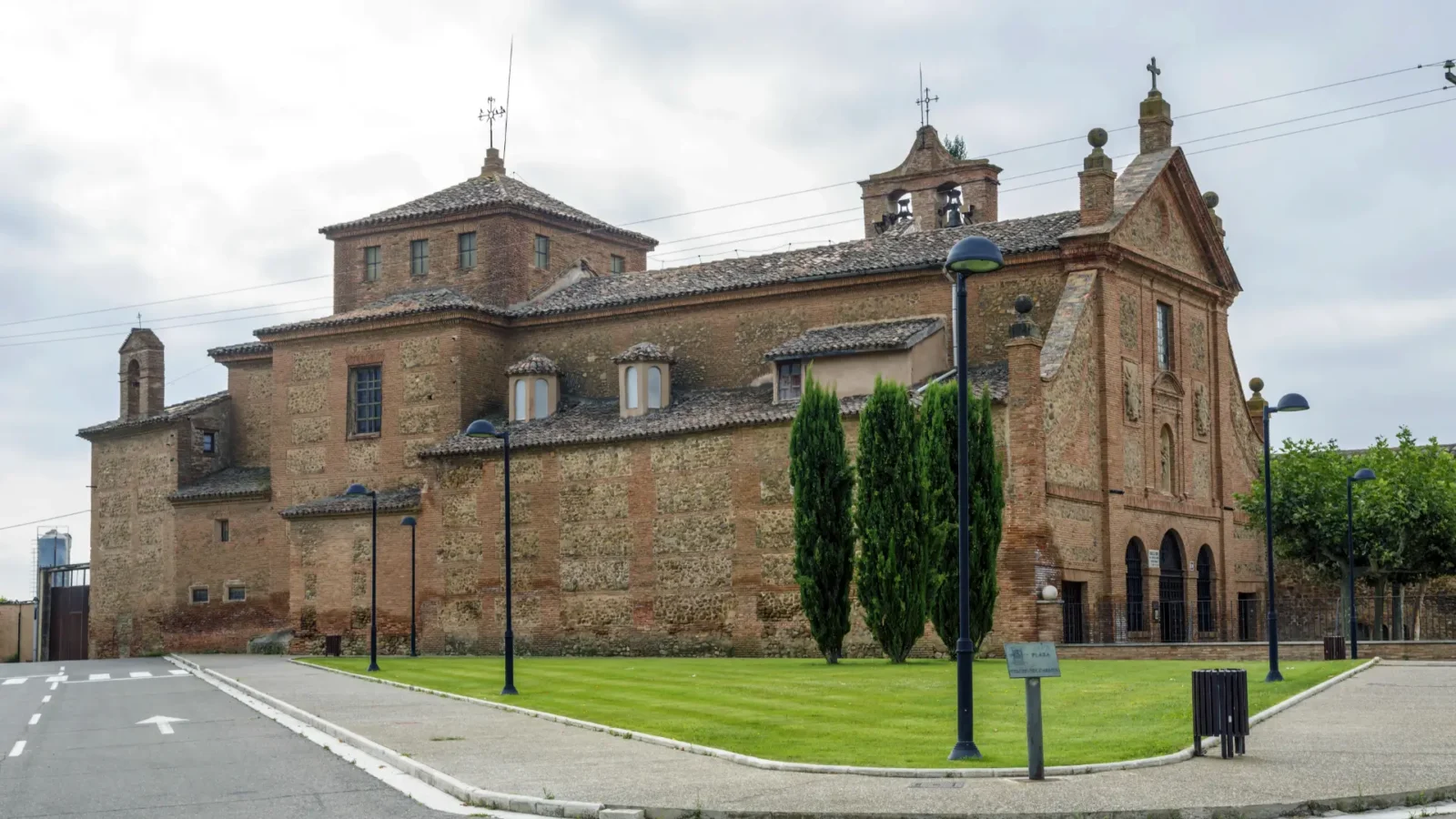
The Carmen sanctuary stands just outside the old town, on the far bank of the Cidacos. Carmelite friars built it in the early 1600s, and they stayed for about four hundred years, until 2020. Look at the main doors: they are carved wood from around 1888, covered in scenes of the Virgin Mary. Inside is a baroque statue of Our Lady of Carmel, thought to be by Gregorio Fernández. A short walk further on stands a 16th-century stone cross under four arches. Pilgrims on the Camino de Santiago along the Ebro passed it on their way into town. The convent next door is being turned into a home for older people, so the church may not always be open.
Open in Google Maps
What to Do in Calahorra
Walk or cycle the Vía Verde del Cidacos
This greenway starts at the Parque del Cidacos in Calahorra and runs for about 34 km up the valley to Arnedillo. It follows the line of a small railway, “El Trenillo”, which closed in the 1960s. The path is gentle and signposted. It passes Autol, Quel and Arnedo, and two tall rock pillars called El Picuezo and La Picueza. Ride one way and arrange a lift back, or walk the first flat section through the orchards.
Follow the vegetable trails
The Senderos de la Verdura are five walking routes around the town, about 100 km in all. Most are flat and easy. They follow the poplar groves along the Ebro and the orchards and springs of the Cidacos. One climbs to the pines and the viewpoint of Pico La Mesa. Ask at the tourist office for the routes.
See the storks of Alfaro
Alfaro, 25 minutes east, has one of the largest groups of storks nesting on a single building anywhere. About a hundred nests sit on the roof of its Colegiata de San Miguel. From the square below you hear the birds clatter their beaks. April and May are the best months to see them.
Tierra Rapaz, the bird-of-prey park
Just outside the town, on the road to Rincón de Soto, this park keeps more than 150 birds of prey. The main pull is the flying displays: one with birds that hunt by day, one with owls. It opens at weekends and on holidays, so it suits a Saturday or Sunday, especially with children. Tickets are sold on its Spanish-language website (just use browser translation to use in your own language).
Order Tierra Rapaz tickets online
Prefer to go with a guide for any of this? Ask where you’re staying, or at the tourist office in the market hall on the Plaza del Raso. They’ll know what’s running, in which language, and can point you to something that fits.
Seasonal Events and Festivals
- Mercaforum (the weekend before Holy Week)
- For two days the town turns into a Roman market, with stalls, costumes and street shows about old Calagurris.
- Holy Week (March or April)
- Calahorra’s processions have national tourist interest status. On Good Friday, the Procession of Silence carries wooden figures from the 15th century through the streets.
- Vegetable Days, Jornadas Gastronómicas de la Verdura (second half of April)
- Around ten days of vegetable menus in bars and restaurants, a pintxo route, a growers’ market and a fashion show where the dresses are made of vegetables.
- Fiestas of San Emeterio and San Celedonio (last week of August)
- The patron saints’ festival, with hundreds of events, music and busy streets until late.
Exact dates change each year. Ask the tourist office in the market hall on the Plaza del Raso for this year's programme.
Getting There and Around
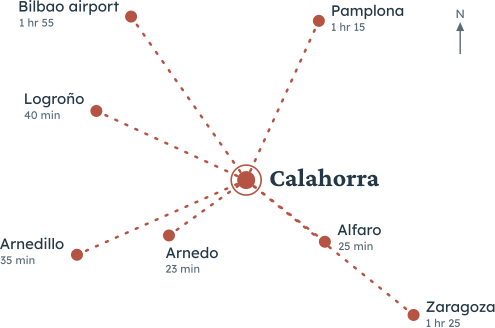
Calahorra sits in the Ebro valley, between Logroño and Zaragoza, just off the AP-68 motorway.
- From Logroño
- About 40 minutes by car via the AP-68 (roughly 50 km). Trains run between the two towns too.
- From Pamplona
- About 1 hr 15 by car (roughly 87 km).
- From Zaragoza
- About 1 hr 25 by car via the AP-68 (roughly 127 km).
- Nearest airports
- Bilbao (BIO) is the main international option, about 1 hr 55 by car (roughly 194 km). Zaragoza and Pamplona also have smaller airports.
- By public transport
- The station is on the north-east side of town. Long-distance Alvia trains link Calahorra with Madrid, Barcelona, Zaragoza, Logroño and Bilbao, and regional trains run to Zaragoza and Logroño.
Getting around
You don’t need a car inside Calahorra. The centre and the old town are small enough to walk, though the lanes up to the Jewish quarter are steep. Park in one of the free public car parks, such as Era Alta (Calle Goya) or the one near the cathedral. Then walk from there. Streets in the centre use a pay-and-display blue zone. For the region you do want a car: the Cidacos valley, Arnedillo, Alfaro and the Rioja Baja wineries are hard to reach without one.
Looking for a ready-made plan? See our La Rioja road trips.
Practical Info
- Tourist office
- Inside the Mercado de Abastos, Plaza del Raso 16. Maps, the vegetable-trail routes and guided visits of the town. Hours change with the season, so check before you go. Open in Google Maps
- Tickets
- The cathedral charges one ticket for the church and its museum, with an audio guide; children go free. There is no combined town pass. The Museo de la Verdura charges a small entry fee, with free days in the week.
- Opening days
- Several sights open only part of the week. The cathedral closes to tourist visits on Sundays and religious holidays. The Museo de la Verdura and Tierra Rapaz open only on some days. Check at the tourist office before you plan your day.
- Market days
- The weekly street market fills the Plaza del Raso on Thursdays. The market hall is being relaunched as a food hall, so ask at the tourist office what is open inside.
- Climate
- July and August are the hottest months, with highs around 28°C. May, June, September and October are the most comfortable, roughly 20–26°C. Winters are cool, with January highs near 10°C. Rain is spread through the year; April and May are the wettest months and July the driest.
- Low-emission zone
- Calahorra has no low-emission zone (ZBE) in force at the time of writing. Logroño does.
Where to Eat in Calahorra
You’ll eat well in Calahorra, and the vegetables are the reason. The town calls itself the city of vegetables, and market gardens line the Ebro and the Cidacos around it. Order what is in season.
What to order here
- Menestra de verduras
- The Riojan vegetable stew. In spring a bowl can hold artichokes, peas, broad beans, green beans and asparagus all at once.
- Coliflor de Calahorra
- The town’s cauliflower has its own protected name. In winter it comes boiled and dressed with garlic fried in olive oil, compact and white on the plate.
- Pimientos asados
- Riojan red peppers, picked by hand and roasted in wood-fired ovens. They arrive soft and sweet, often beside grilled meat.
- Chuletillas
- Tiny lamb chops, salted and grilled. You pick them up by the bone and eat them with your fingers.
- A glass of Rioja Oriental
- Calahorra sits in the warm, dry eastern part of the Rioja wine region. Its Garnacha reds are deep in colour and go well with lamb.
How locals eat
Lunch is the main meal, and it starts late. On weekdays most bars and restaurants offer a set menu of the day, with a starter, a main, a dessert and wine or water. It is the best-value way to eat. In the evening, people move from bar to bar for a drink and a pintxo, a small bite on bread, before a light, late dinner.
Where to go
For the evening round of pintxos, start on the Paseo del Mercadal and the streets around it, where many of the bars are. For lunch in the old town, look around the Plaza del Raso. To see the season's produce, come to the Thursday market on the Plaza del Raso, where growers sell what they have just picked. Many kitchens close one day a week, so check before you set out on a Sunday or Monday.
Take home
- Pastries made by the Carmelite nuns of the Monasterio de San José, on Calle Arrabal.
- A jar of roasted Riojan peppers or other canned vegetables. Calahorra has been canning its harvest since the 1850s.
- A bottle of Rioja Oriental Garnacha from a local winery.
Where to Stay in Calahorra
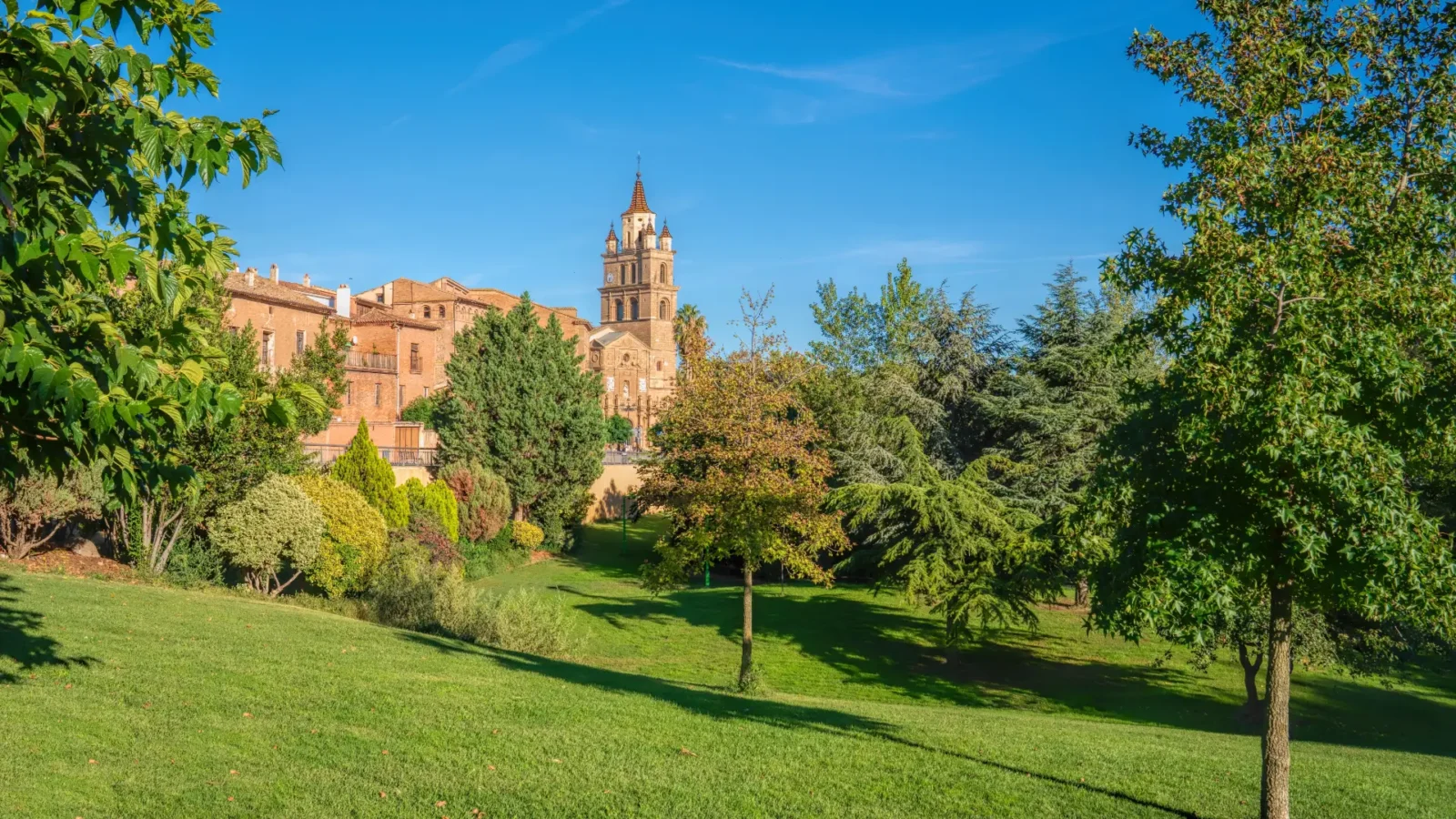
Stay the night and you see Calahorra as it lives. At dusk, the town comes out to walk the Paseo del Mercadal, and the bars fill up. Next morning the old town is quiet, and you reach the cathedral as it opens, before any day visitor arrives.
Staying in Calahorra
- Good for
- Evenings on the Paseo del Mercadal and an early start at the cathedral, or at the Thursday market. A central base for Rioja Baja, on the train line and next to the motorway.
- Watch out for
- This is a working town, so some streets are busy with traffic. During the patron saints’ fiestas in the last week of August, the centre stays loud until late.
How long to stay
One night is enough for the cathedral, the old town and the Roman remains. Stay two nights if you also want to cycle the greenway or spend a morning in Arnedillo's hot springs or with Alfaro's storks.
Road-trip realities
- Parking
- Use the free public car parks, such as Era Alta on Calle Goya or the one near the cathedral. The centre uses a pay-and-display blue zone. Ask your hotel where to leave the car before you arrive.
- Old-town lanes
- The lanes up to the Jewish quarter are steep and narrow. Stay in the lower centre and walk up, rather than driving in.
- Low-emission zone
- None in force in Calahorra at the time of writing.
The kind of place you'll sleep in
Most places to stay are town hotels and holiday flats around the centre. Look for one near the Paseo del Mercadal or the Plaza del Raso, so you can walk to the old town and the bars. The town also has a parador (a state-run hotel) on the Paseo del Mercadal, in a reddish building set in a garden of palms.
Find a place to stay in Calahorra
Most places to stay in and around Calahorra are on Booking.com, with live prices and a map.
Region, Nearby and Routes
Part of La Rioja
Calahorra is in La Rioja
Part of these routes
Calahorra is not part of a road trip yet. See all road trips
Frequently Asked Questions
Calahorra is worth visiting if you like real towns with deep history. It has a Gothic cathedral with a museum in its cloister, Roman remains in its streets, an old Jewish quarter with views over two rivers, and famous vegetables. It is a working town, not a tourist town.
Calahorra is known for its vegetables, its Roman past and its cathedral. The Romans called it Calagurris, and the writer Quintilian was born here. Today its cauliflower has a protected name, and the town holds vegetable food days every spring.
You need one full day to see Calahorra’s cathedral, old town and Roman remains. One night is better, so you can join the evening walk on the Paseo del Mercadal and see the cathedral early the next morning. Two nights leave time for the Cidacos greenway or Arnedillo’s hot springs.
The best time to visit Calahorra is May, June, September or October, with highs of roughly 20–26°C. July and August reach about 28°C. January highs are near 10°C. April and May are the wettest months. Late April brings the vegetable food days.
Calahorra Cathedral closes to tourist visits on Sundays and religious holidays, when it is open only for services. Plan your visit from Monday to Saturday. One ticket covers the church and the museum in its cloister.
Yes, Calahorra is about 40 minutes from Logroño by car, and trains also link the two towns. A day is enough for the main sights, but you miss the evening walk on the Paseo del Mercadal.
In Calahorra, stay in the lower centre, near the Paseo del Mercadal or the Plaza del Raso. You can walk to the old town and the bars from there, and park in the free car parks nearby. Most places are town hotels and holiday flats. One night is enough for the town; two nights suit a base for Rioja Baja.
In Calahorra, eat the vegetables: a spring menestra stew, the local cauliflower in winter and roasted red peppers. For pintxos in the evening, go to the bars on and around the Paseo del Mercadal. For lunch, look for a set menu of the day near the Plaza del Raso.