
Cazorla: a White Town at the Gate of Spain’s Wildest Park
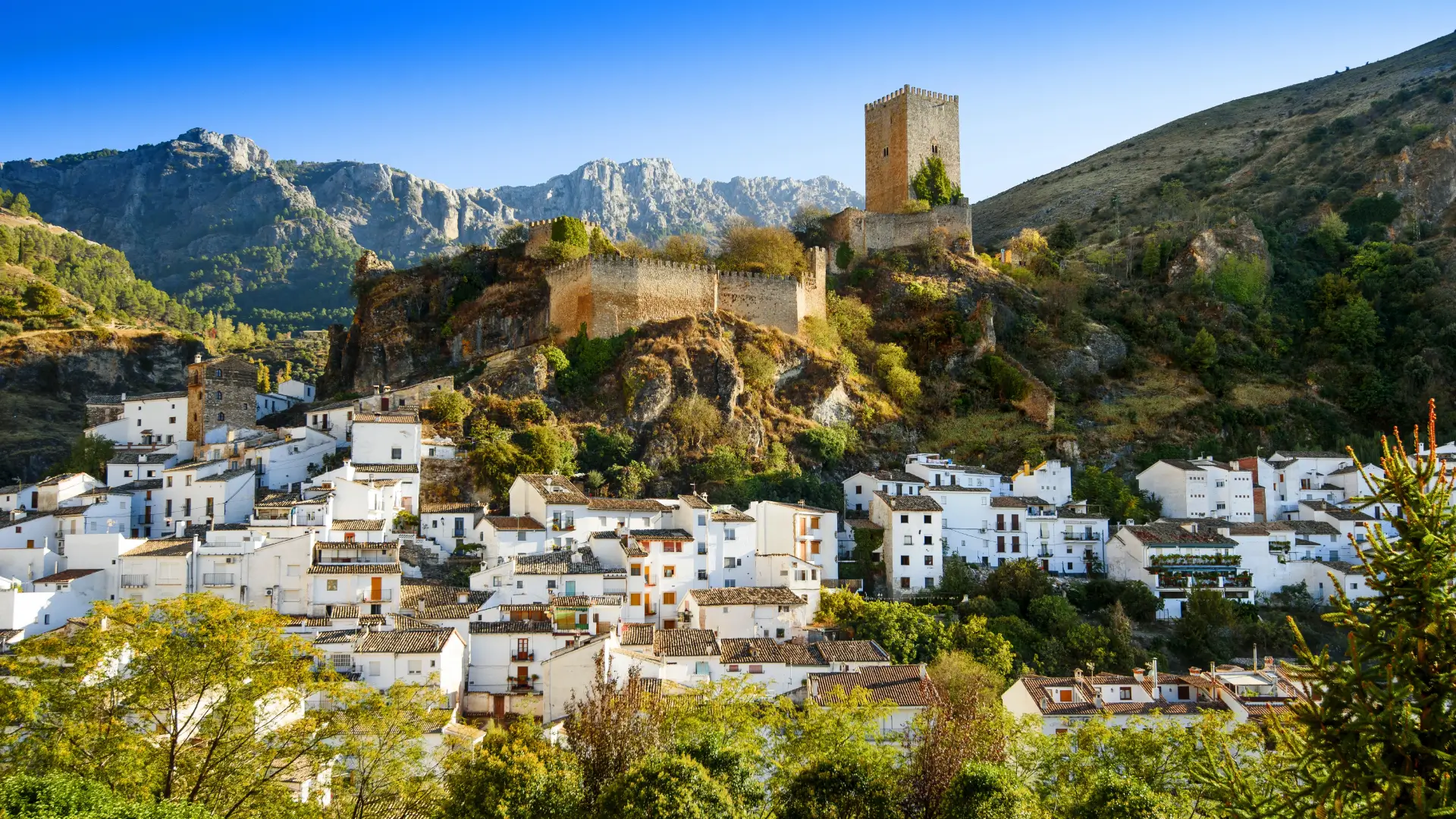
Cazorla is a whitewashed mountain town in Jaén, in eastern Andalucía, wrapped around the foot of a Moorish castle. It sits where the olive sea meets the peaks, at the edge of the Sierra de Cazorla, Segura y Las Villas — the largest protected natural area in Spain. It is the calm gateway to that wild country, and a fine, uncrowded place to end a Jaén road trip.
Why Visit Cazorla
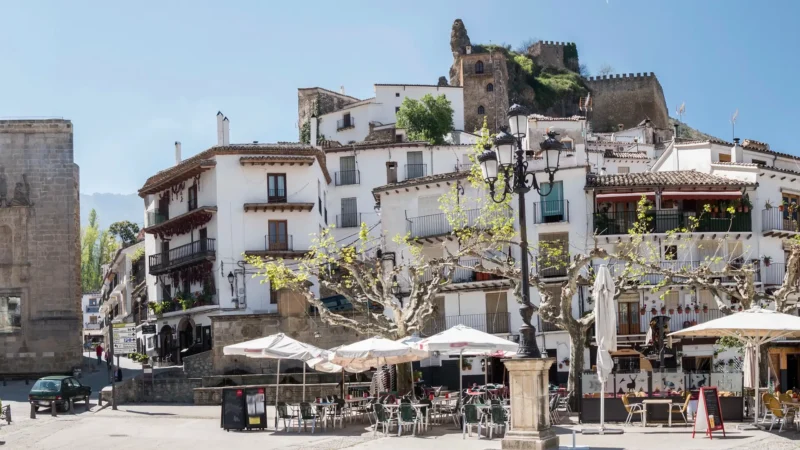
Cazorla is where the Renaissance & Olive Trail stops being about towns and starts being about mountains. The famous olive plains of Jaén end here, against a wall of pine-clad sierra, and the change is sudden and beautiful. White houses climb the hillside in tight, steep lanes. Above them stands the Castillo de la Yedra, a dark stone castle of Moorish origin. Below and beyond, the ground drops into deep gorges and rises again to peaks over 2,000 metres. Few foreign visitors come this far east, so the town stays genuinely local: working bars, a real market, and squares used by residents, not tour groups.
Who Cazorla is for
Cazorla suits the traveller who wants both a pretty old town and real wilderness on the doorstep. The centre is compact and easy to walk: a castle, a ruined Renaissance church, two lovely squares and a clutch of miradors. A short drive up the mountain road brings you to one of the finest nature parks in Europe. It rewards walkers, wildlife watchers and slow drivers. It is not a beach town or a nightlife town. It is a base: somewhere to sleep well, eat mountain food and set out each morning into the sierra.
Day trip or overnight?
You can see the town of Cazorla in an afternoon — the castle, the Ruinas de Santa María, the two main squares and a mirador fit into a few hours. But that misses the whole point of coming this far. The reason to be here is the park, and the park needs a full day and an early start. Our honest advice: stay at least one night, two if you can. A perfect short visit looks like this. Arrive in the afternoon, walk up through the old town to the Castillo de la Yedra for the view, then down to the Plaza de Santa María as the light softens. Eat mountain trout or game that evening in a quiet square. Next morning, drive up into the sierra early — to the Cerrada del Utrero or the Río Borosa — while the air is cool and the vultures are up. That day in the park is the memory you take home, and it simply does not fit into a day trip.
What to See in Cazorla

Castillo de la Yedra
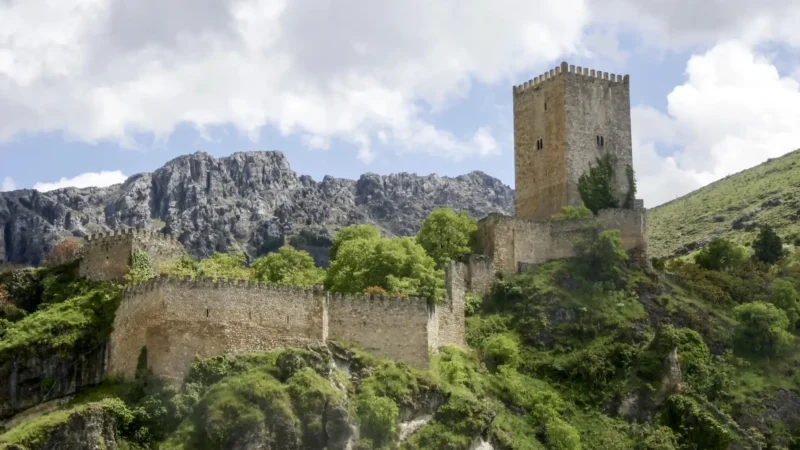
The town’s landmark castle, also called the Castle of the Four Corners, stands high on its hill with the white houses spilling below. Its origins are Moorish, likely 12th century, though Christian builders gave it its final Gothic shape. Inside is the Museum of Popular Arts and Customs of the Alto Guadalquivir, with old farm tools, olive-mill models and a recreated mountain kitchen. The climb up is steep but short, and the view over the town and the olive country is the best in Cazorla.
Ruinas de Santa María
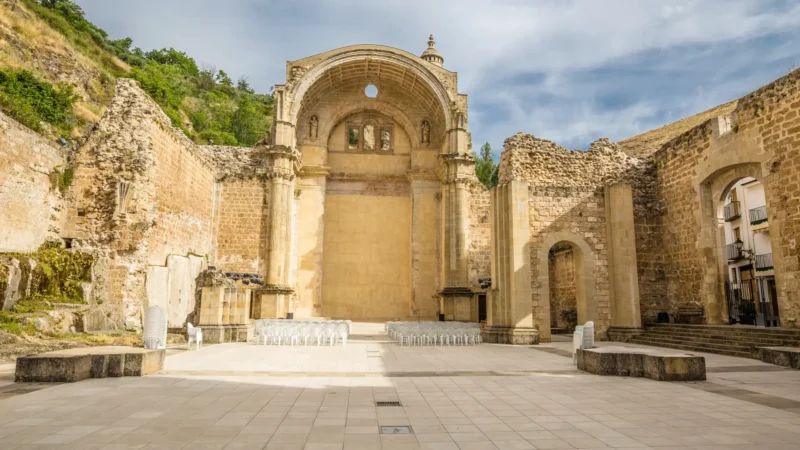
This roofless shell of a grand church is the most striking sight in the centre. It is Renaissance work of the 16th century. It was very likely designed by Andrés de Vandelvira — the same architect behind the honey-stone monuments of Úbeda and Baeza. That ties Cazorla neatly to the rest of the trail. The church was built right over the Cerezuelo river, which runs in a vault beneath it. Never fully finished and later damaged, its open arches now frame the sky and host summer concerts.
Plaza de Santa María
The old heart of town, known to locals as the Plaza Vieja, sits at the foot of the ruined church. The river runs hidden beneath the paving. Beside the ruins stands the Fuente de las Cadenas, a fountain from 1605 raised in memory of King Philip II. Ringed by stone houses and simple bars, it is the town’s most atmospheric corner, especially in the evening.
Plaza de la Corredera
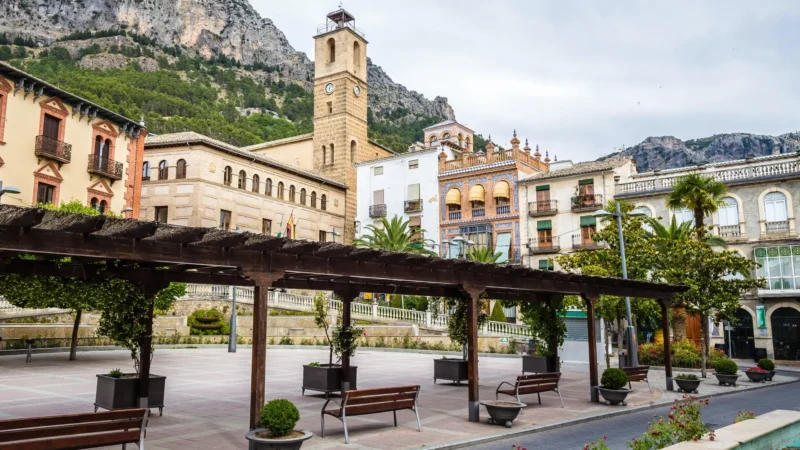
Cazorla’s lively main square is oval in shape, which is why everyone calls it the Plaza del Huevo — the “egg square.” This is where the town gathers: cafés, a tree-lined pedestrian strip, the town hall and the church of San José, with old crested mansions around the edges. It is the best spot for a coffee and for watching everyday Cazorla go by.
Castillo de La Iruela
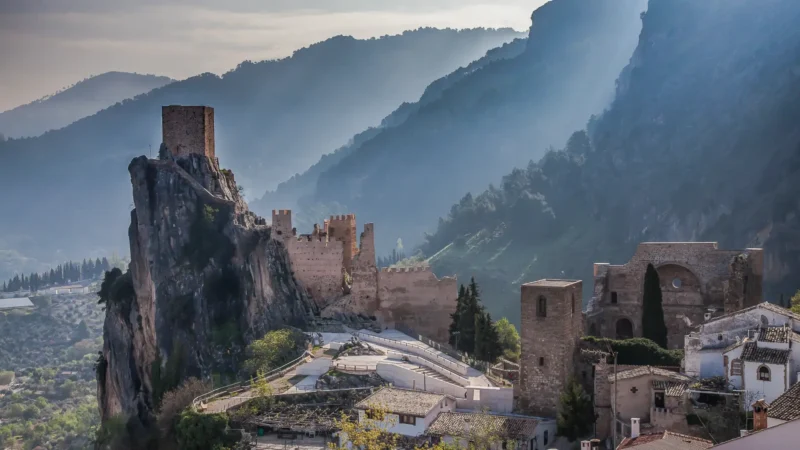
Just outside town, about 3 km up the road, the tiny village of La Iruela is crowned by a castle set on a sheer rock spire. Its slim keep is visible for miles and is one of the most dramatic sights in the whole province. A short marked path climbs to the ruins, which include the shell of a 16th-century church. It makes an easy, spectacular add-on to a Cazorla visit.
Bóveda del Cerezuelo
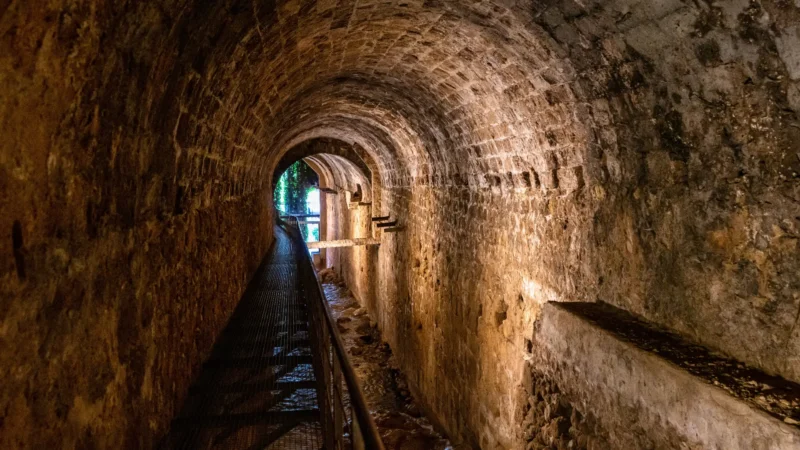
Beneath the Plaza de Santa María, the Cerezuelo river runs hidden in a great stone vault. It was built in the 16th century to cover the river and free up land for the grand church above. Today a metal walkway of about 125 metres lets you cross right through it — over the water, under the old town. It’s an unusual few minutes underground, on a short guided visit booked at the tourist office in the ruins above.
What to Do in Cazorla
Explore the Sierra de Cazorla, Segura y Las Villas
This is the reason most people come. The park is the largest protected area in Spain and a UNESCO Biosphere Reserve, a vast world of pine forest, limestone gorges and high peaks. Two of Andalucía’s great rivers, the Guadalquivir and the Segura, both rise here. Wildlife is easy to see: red and fallow deer, Spanish ibex on the crags, and griffon vultures overhead. You can explore it yourself by car along the valley road (the A-319), stopping at miradors and the Torre del Vinagre visitor centre. But the wildest, roughest corners — the high tracks, the best wildlife spots — are reached on a guided 4×4 safari or a canyoning trip with a local operator, who knows where the animals are and can take you where an ordinary car cannot.
Walk to the source of the Guadalquivir
Deep in the park, at around 1,350 metres, a modest spring marks the start of the mighty Guadalquivir — the river that later runs through Córdoba and Seville to the sea. Reaching the Cañada de las Fuentes is a highlight in itself, along forest tracks past ancient pines and the historic 15th-century Puente de las Herrerías. It is a fine half-day drive-and-walk from Cazorla, best combined with the Cerrada del Utrero.
Hike the Cerrada del Utrero and the Río Borosa
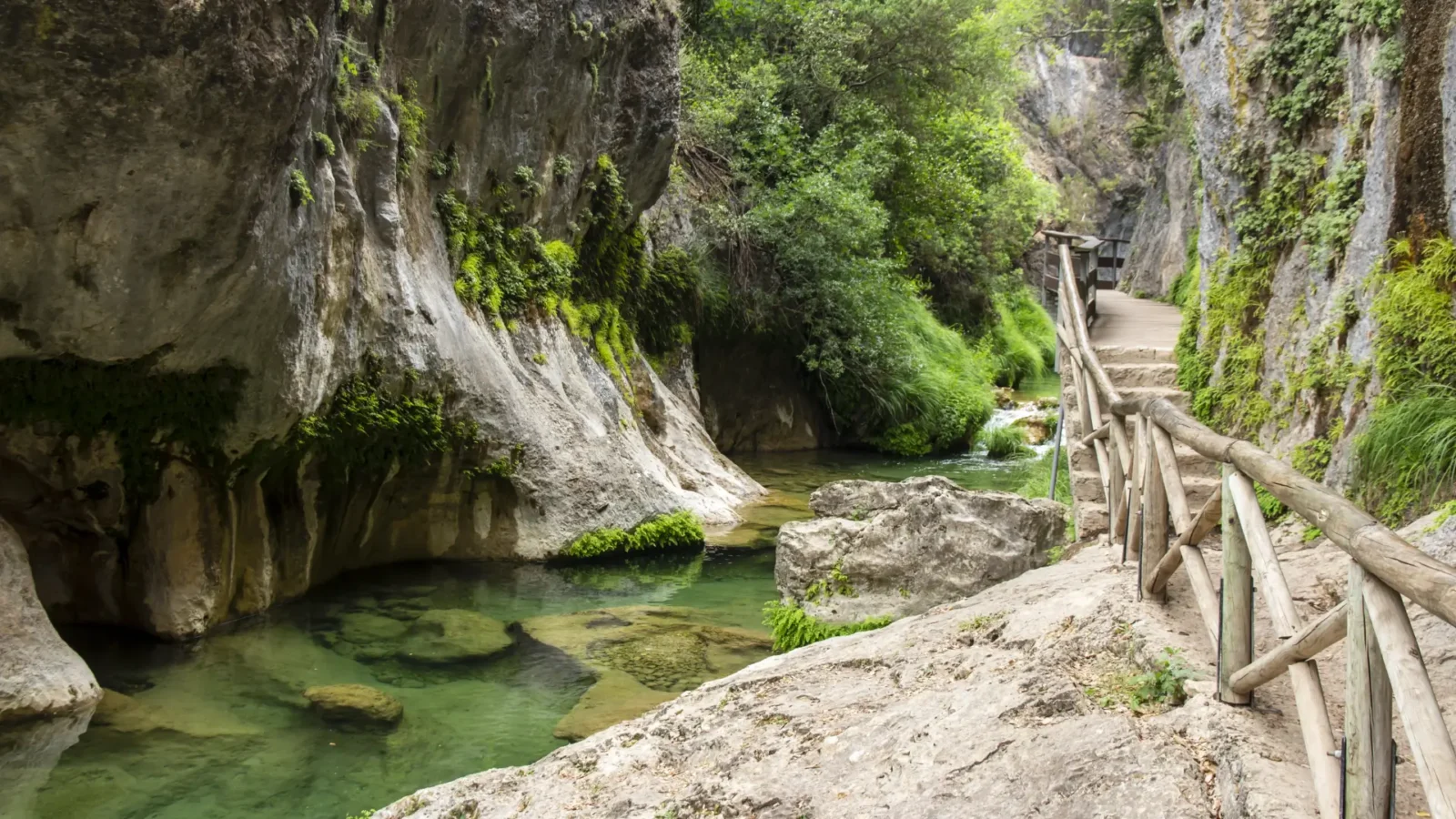
For walkers, two routes stand out. The Cerrada del Utrero is short and easy — a circular path of under two kilometres through a limestone gorge cut by the young Guadalquivir, past the Cascada de Linarejos waterfall. The Río Borosa is longer and more famous, often ranked among Spain’s finest walks. It follows the river up through the narrow Cerrada de Elías on wooden walkways and rock-cut tunnels. The full route to the mountain lakes is a long day, but you can turn back at any point.
Wander the old town and its miradors
Cazorla’s centre is made for slow walking. Steep, whitewashed lanes link the Plaza de la Corredera to the Plaza de Santa María and up towards the castle. Along the way, small balcony viewpoints open without warning — the best known is the Balcón del Pintor Zabaleta, which frames the castle and the white town below. Bring good shoes: the streets are cobbled and steep, and half the pleasure is getting a little lost.
Prefer to go with a guide for any of this? Ask where you're staying, or at the tourist office inside the Ruinas de Santa María on the Plaza de Santa María — they'll know what's running, in which language, and can point you to something that fits.
Seasonal Events and Festivals
Feria y Fiestas del Cristo del Consuelo (mid-September) Cazorla’s main fair, held around 14–18 September in honour of the town’s patron, whose image is kept in the baroque church of San Francisco. Expect processions, music and the local “entrada del trigo” tradition, when young people in mountain dress bring in the wheat on decorated carts.
Cazorla Blues Festival (summer) A long-running international blues festival that has put the town on the music map, drawing a loyal crowd each year.
Cazorla Flamenca (August)Open-air flamenco nights staged among the arches of the Ruinas de Santa María, where the roofless church gives a rare acoustic and setting.
Semana Santa (spring, Holy Week) Solemn processions wind through the steep old-town lanes in the week before Easter; dates shift each year with the calendar.
Dates move year to year. Check the official town source — the Ayuntamiento de Cazorla — for the current programme before you plan around a festival.
Getting There and Around
Cazorla sits in the far north-east of Jaén province, at the end of the A-319, where the olive plains give way to the sierra. It is the last town before the natural park.
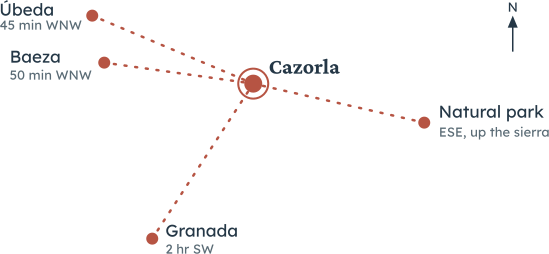
From Úbedaabout 45 minutes by car (roughly 45 km), the usual last leg of the Renaissance and Olive Trail.
From Baezaabout 50 minutes by car (roughly 50 km).
From Jaénabout 1 hour 5 minutes by car.
From Granadaabout 2 hours by car, the nearest big city to the south.
Nearest airportsGranada (GRX) is closest, about 2 hours; Málaga (AGP) is the main international option, about 2 hours 45 minutes. Madrid is reachable by train to Linares-Baeza station, then road.
By trainthere is no station in Cazorla. The nearest is Linares-Baeza, about an hour away by car; from there you need a car or bus for the final stretch.
Getting around
You don’t need a car inside Cazorla — the old town is small and steep, and best walked. Leave the car in the lower town or a car park and climb on foot; the central lanes are narrow and parking there is hard. But you do want a car for everything around it: the natural park has almost no public transport, and the source of the Guadalquivir, the gorge walks and the miradors are all a drive up the mountain road. If you’re touring Jaén without your own car, this is the place to have hired one.
Looking for a ready-made plan? See our Andalucía road trips.
Practical Info
- Getting inCazorla town is free to wander. The Castillo de la Yedra and its museum charge a small entry fee, with reduced or free entry for some visitors; hours change with the season and it usually closes on Mondays. Check the current times before you go rather than relying on a fixed figure.
- The parkEntry to the natural park is free, but the best corners need a car or a guided trip, and the high roads can be affected by weather in winter. Pick up maps and current trail information at the Torre del Vinagre visitor centre or the town tourist office.
- Tourist officeInside the Ruinas de Santa María on the Plaza de Santa María — a good first stop for park maps, trail advice and current opening hours. Or check online on Ayuntamiento de Cazorla
- ParkingPark in the lower town and walk up. The historic centre is steep and tight, and local police do enforce the parking rules.
- ClimateCazorla sits high, around 800–900 metres, so it is cooler and wetter than the olive plains below. Summers are warm rather than fierce — July highs around 30°C, with fresh nights. Spring and autumn are the most comfortable, roughly 18–23°C in April, May, September and October. Winters are cold, with lows near freezing and the chance of snow on the high ground; the rain falls mostly from late autumn into winter, with December the wettest month.
Where to Eat in Cazorla
You’ll eat and drink well in Cazorla, at every budget. This is honest mountain cooking, built on game, river trout and the region’s own extra-virgin olive oil — one of Spain’s finest. Look for local dishes you won’t see on the coast: rin-ran (a cold mash of potato, dried red pepper, cod and olives), andrajos (hand-torn pasta stewed with hare, rabbit or partridge), gachamiga, and trout from the mountain rivers. Two simple rules make it easy: for a quick lunch while you’re out walking, the squares and the market are full of good-value tapas; for dinner, settle into a proper mountain restaurant and try the game. The picks below cover both.
A busy, good-value tapas bar right on the Plaza de Santa María, with the local wines and honest plates of deer and mountain fare. Fine for a relaxed lunch on the square.
The town’s most ambitious kitchen, with tasting menus built around the local olive oil and careful, creative plating. The place for a special dinner in Cazorla.
Mesón Don Chema
A long-standing local favourite, hung with hunting trophies, known for mountain game — venison and wild boar — done the old way. A reliable place to taste the sierra on a plate.
A grill house listed in the Michelin Guide, strong on well-sourced meat and mountain trout, with a lighter, more modern touch than most. Good value for the quality.
La Cantina del Mercado
A tiny bar inside the municipal market, beloved locally for its ribs, tortilla and no-nonsense tapas. The most authentic cheap lunch in town — go early, and note it closes on Sundays.
Buendi Cazorla
A smart, friendly spot on the Plaza de la Corredera doing refined tapas and grilled dishes — wild boar, game, good vegetables. Warm service and a lively bar.
Where to Stay in Cazorla
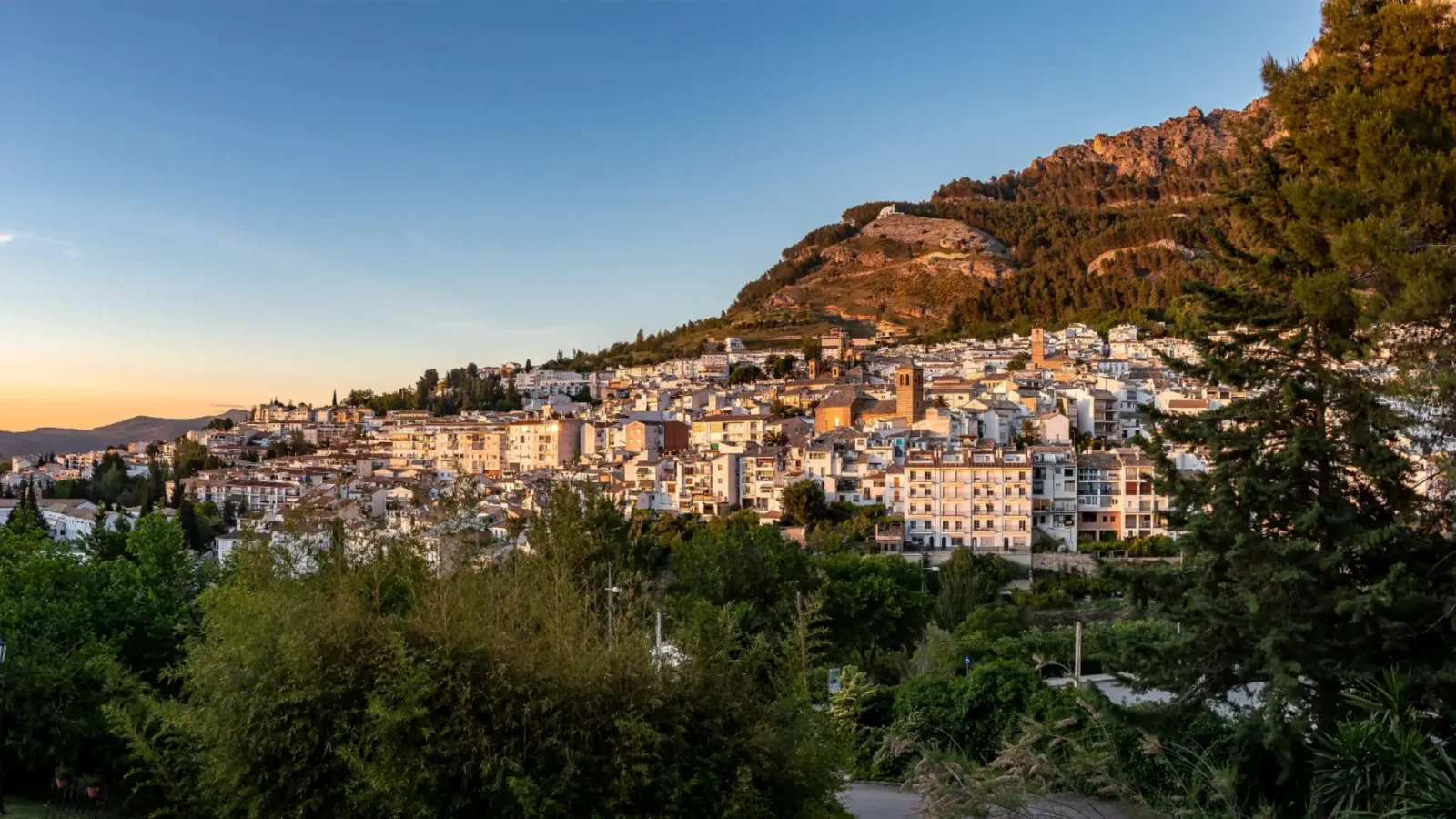
Picture Cazorla after the day-trippers have driven back to Úbeda: the lanes empty, the castle lit gold above the rooftops, the Plaza de Santa María quiet enough to hear the hidden river. Stay the night and the town — and the whole park at your door — becomes yours at dawn. Here’s where we’d sleep.
Parador de Cazorla
For a true end-of-trail treat, this hunting-lodge-style parador sits deep inside the natural park, about 45 minutes up the mountain road, ringed by forest and peaks. It’s a destination in itself — you may see deer and vultures from the terrace — rather than a town base. Choose it for a night in the wild.
Check prices & availability for Parador de Cazorla on the accommodation's websiteHotel Guadalquivir
A friendly, family-run hotel on a quiet side street just off Cazorla’s main square, a few minutes’ walk from its bars and restaurants. The owners know the mountains well and can arrange picnics or 4×4 trips into the park — a natural base for both the old town and the drive up into the Sierra.
Check prices & availability for Hotel Guadalquivir on the accommodation's websiteHotel Ciudad de Cazorla
Right on the lively Plaza de la Corredera, with comfortable rooms over the square and the town’s cafés at the door. A well-placed, affordable base in the heart of things.
Check prices & availability for Hotel Ciudad de Cazorla on Booking.comHotel Balcón de Cazorla
Perched on the edge of town, with rooms that look straight out over the valley and the olive hills. Ask for a room with the view — waking to that panorama is the whole point.
Check prices & availability for Hotel Balcón de Cazorla on the accommodation's websiteCortijo San Juan Bautista
A cosy, rural cortijo on the edge of the park a few minutes from town, with a pool, mountain views and just a handful of rooms. Peace and countryside, with the old town close by.
Check prices & availability for Cortijo San Juan Bautista on the accommodation's websiteCasa Rural Plaza de Santa María
A characterful guest house on the town’s loveliest square, with a shared kitchen, a courtyard to unwind in and a generous breakfast. You wake up in the old town’s most beautiful corner.
Check prices & availability for Casa Rural Plaza de Santa María on the accommodation's website
Region, Nearby and Routes
Part of Andalucía
Cazorla is in Andalucía
Part of these routes
Cazorla is the main stop on our Renaissance and Olive Trail see the full route.
Nearby places
- ÚbedaA UNESCO Renaissance city of golden palaces and calm squares, set in Jaén’s endless sea of olive groves.
- BaezaA small, golden-stone Renaissance town in Jaén’s olive country — UNESCO-listed and far quieter than most.
- JaénA big-hearted olive-oil city with a Renaissance cathedral, Spain’s largest Arab baths and a castle above the groves.
- GranadaHome to the Alhambra and the Albaicín, Granada is Moorish Andalucía at its grandest — best seen early, late and at your own pace.
Frequently Asked Questions
Yes. It is a pretty white town under a Moorish castle, and the gateway to Spain’s largest natural park. It rewards anyone who likes walking, wildlife and quiet, uncrowded corners of Andalucía.
Cazorla is best known as the base for the Sierra de Cazorla, Segura y Las Villas Natural Park — mountains, gorges, vultures and the source of the Guadalquivir river. In town, it’s known for its castle, its ruined Renaissance church and its mountain cooking.
Yes — it is the main gateway town, with the widest choice of places to stay and eat before you head up the mountain road. From Cazorla you can reach the source of the Guadalquivir, the Cerrada del Utrero and the Río Borosa walk. For a night surrounded by the park itself, the Parador de Cazorla sits deep inside it.
Half a day covers the town, but stay at least one night — two is better. The reason to come is the park, and the park needs a full day and an early start.
Spring and autumn are ideal — April, May, September and October are comfortable, roughly 18–23°C. Summers are warm but not fierce, with July highs around 30°C, cooler than the olive plains below. Winters are cold, with the chance of snow on the high ground and most of the rain from late autumn into winter.
You can — it’s about 45 minutes each way — and you’ll see the town. But you’ll miss the park, which is the real prize and needs a full day. Better to move your base to Cazorla for a night or two.
For mountain game and the old-style cooking, try Mesón Don Chema or the Michelin-listed Mesón Asador Leandro. For a special dinner, Restaurante Alfonso X el Sabio builds tasting menus around the local olive oil. For good-value tapas, head to Taberna Quinito on the Plaza de Santa María or La Cantina del Mercado in the market.
For the town, the family-run Hotel Guadalquivir is the easy first choice, with Hotel Ciudad de Cazorla on the main square and the characterful Casa Rural Plaza de Santa María for more of an old-town feel. For a night inside the park itself, the Parador de Cazorla is a treat.