
Andalucía: The South Spain the Tour Buses Miss
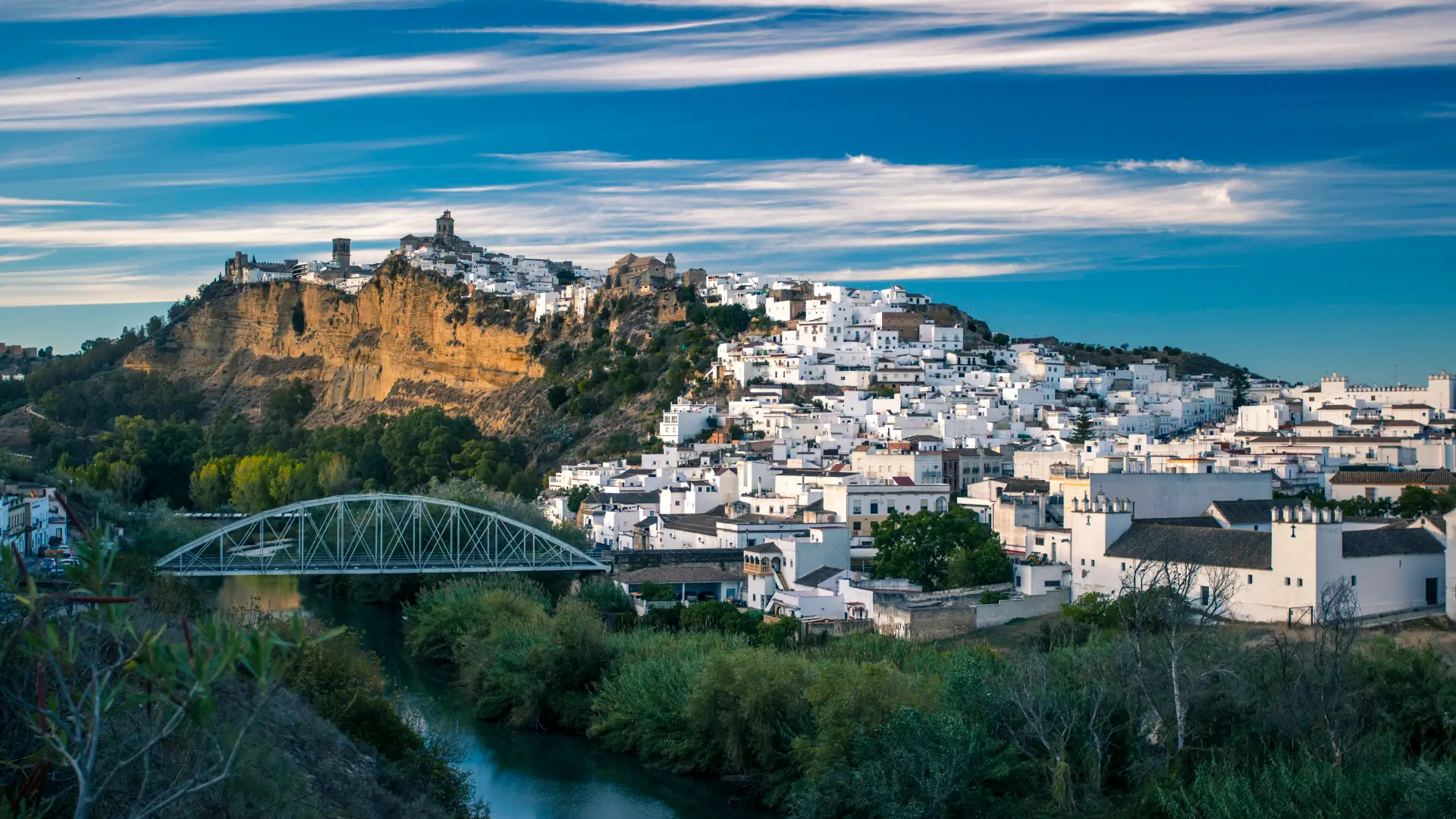
Andalucía is Moorish palaces, white villages on high ridges, Renaissance towns, and long empty beaches. Most visitors see only Seville, Granada and the packed Costa del Sol. We take you where the crowds thin out — the quiet sierras, the backcountry towns, and the roads the tour buses never turn down.
Why Visit Andalucía
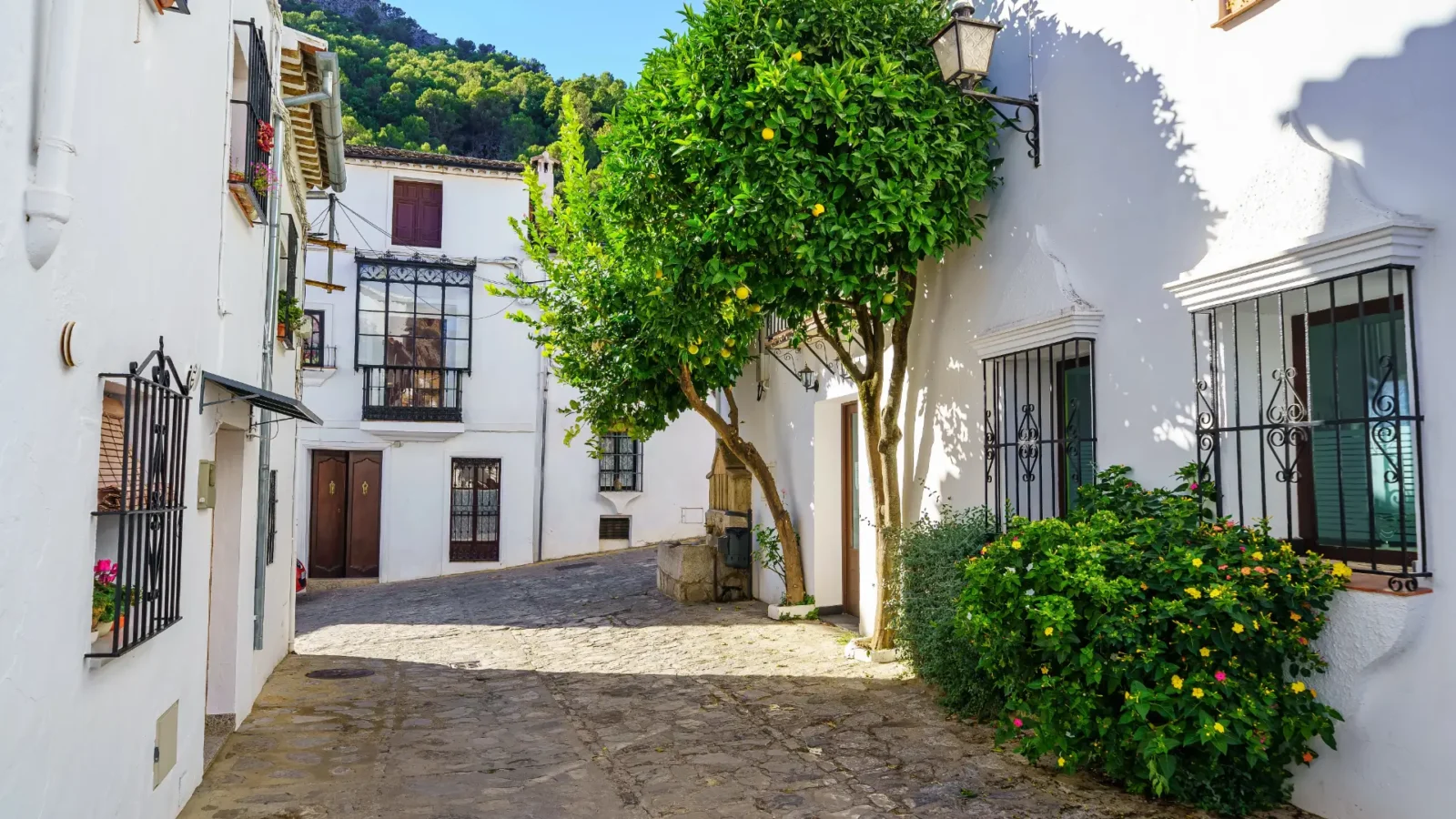
Andalucía is Spain’s deep south, and its largest region. It gave the world flamenco, sherry, whitewashed villages and the finest Moorish buildings in Europe. The famous cities — Seville, Granada, Córdoba — are worth every bit of their fame. But they fill up fast. Step just a short drive inland and the picture changes: quiet hill villages, empty mountain roads, and slow lunches at half the coastal price. That gap between the busy sights and the calm backcountry is where this guide lives.
Authentic Spain, without the crowds
The Costa del Sol draws millions each year. Drive an hour inland and you find a different Andalucía — white villages on rock ledges, Renaissance towns among olive groves, empty mountain roads. Streets stay quiet even in summer. You can park, walk and eat without booking weeks ahead. This is the calm, real south that most package tours never reach.
Eight centuries of Moorish history
For nearly 800 years, much of Andalucía was al-Andalus, ruled from Córdoba and later Granada. That long history is still standing. The Alhambra, the Mezquita and countless castles and street plans come straight from that era. Layered on top are Roman ruins, Gothic cathedrals and Renaissance palaces. Few places in Europe pack so many cultures into one region.
Mountains, coast and open country
Andalucía is not just beaches. Inland rise real mountains, green natural parks and deep river gorges. The Sierra de Grazalema is the wettest spot in Spain, full of pine forest and birds of prey. The Atlantic Costa de la Luz has wide, wind-swept beaches. And everywhere between run silver-green olive groves, some of the largest in the world.
Great food at fair prices
This is one of Spain’s best-value regions to eat. Tapas culture is strong, portions are generous, and a good local meal costs far less than on the coast. The region makes world-famous sherry, top olive oils and fine mountain cheese. Eating well here does not mean spending a lot.
When to Visit Andalucía
Spring (March–May)The best all-round season. Days are warm but not fierce, roughly 18–26°C, and the countryside turns green with wildflowers. It is peak time for hiking in the Grazalema mountains. Expect some rain in March and April. Book ahead around Easter (Semana Santa), when towns fill for the famous processions.
Summer (June–August)Hot, and inland it is extreme. Seville and Córdoba often top 36°C and can spike above 40°C. The coast stays cooler thanks to sea breezes. Rain is almost nil. If you come now, follow the local rhythm: sights in the morning, a long lunch, and back out after the heat drops in the evening.
Autumn (September–October) A quieter, cheaper repeat of spring. September still feels like summer, but by October the air cools to a pleasant 22–25°C. The sea stays warm enough to swim into late October. This is a fine time for the big monuments, with smaller queues than in high summer.
Winter (November–February) Mild and bright by day, cold at night, especially inland where frost is common. This is the wettest stretch, though rarely for days on end. Coastal terraces can still be warm at noon. It is the low season, so prices drop and the villages feel truly local.
Sights and Activities in Andalucía

The Alhambra, Granada
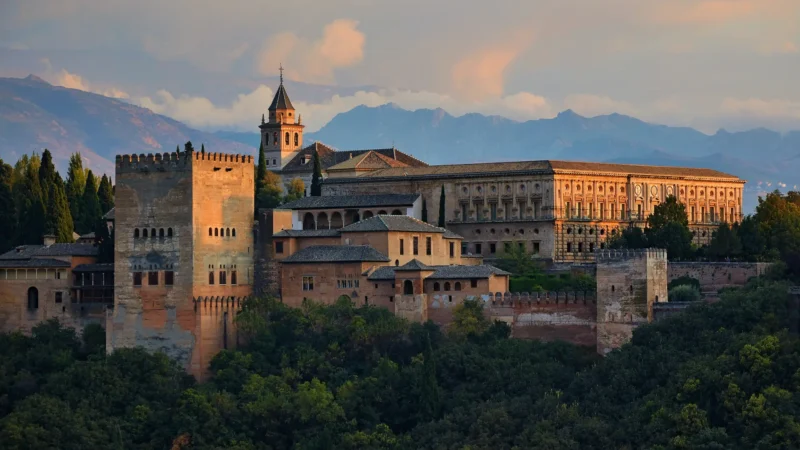
A hilltop palace-city built by the Nasrid sultans and the last great monument of Muslim Spain. Its carved halls, courtyards and gardens are the finest surviving Moorish palace in the world. A UNESCO World Heritage Site since 1984. Book tickets well ahead — entry is timed and slots sell out.
The Mezquita, Córdoba
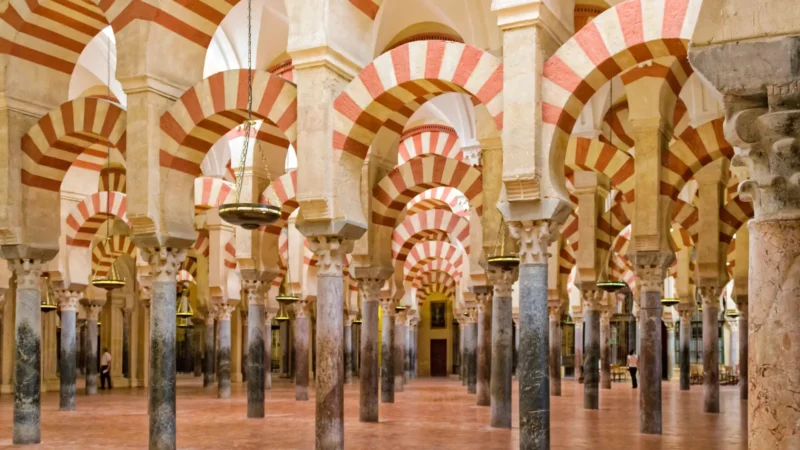
A vast former mosque, now a cathedral, famous for its forest of red-and-white striped arches. It sits at the heart of Córdoba’s old town, itself UNESCO-listed. Walking inside is one of the strangest and most beautiful sights in Spain — a Christian cathedral grown inside a Moorish mosque.
Seville's monumental heart
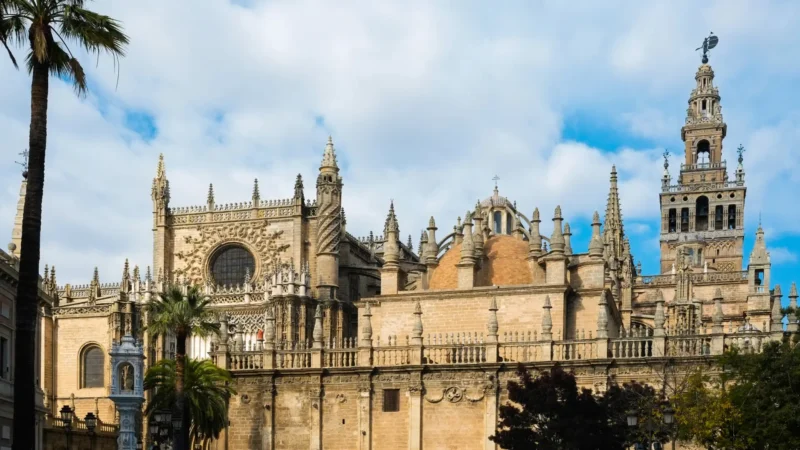
Seville holds a trio of landmarks in one square: the huge Gothic cathedral, the Giralda bell tower (once a minaret), and the Real Alcázar, a working royal palace with lush gardens. All three are UNESCO-listed. This is the grand, festive face of Andalucía — flamenco, orange trees and river light.
The Pueblos Blancos
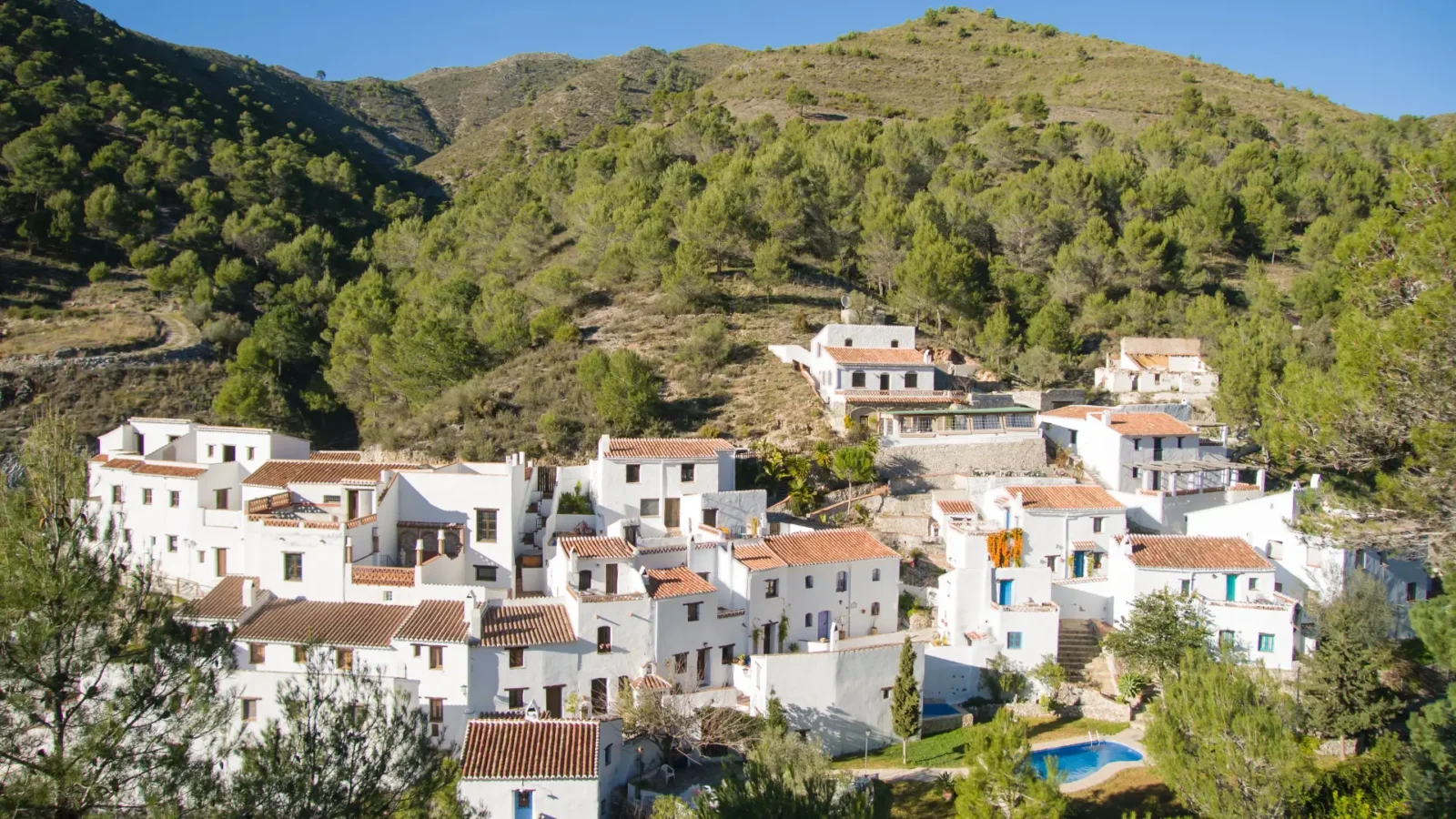
The white villages of the Sierra de Cádiz are Andalucía’s quiet heart. Arcos, Grazalema, Zahara, Olvera and Setenil sit on rock ledges and cliffsides, their houses lime-washed bright white. Short drives link them, so a few days here strings several together with ease. This is the crowd-free south at its best, and the ground the White Villages Trail covers.
Ronda and its gorge
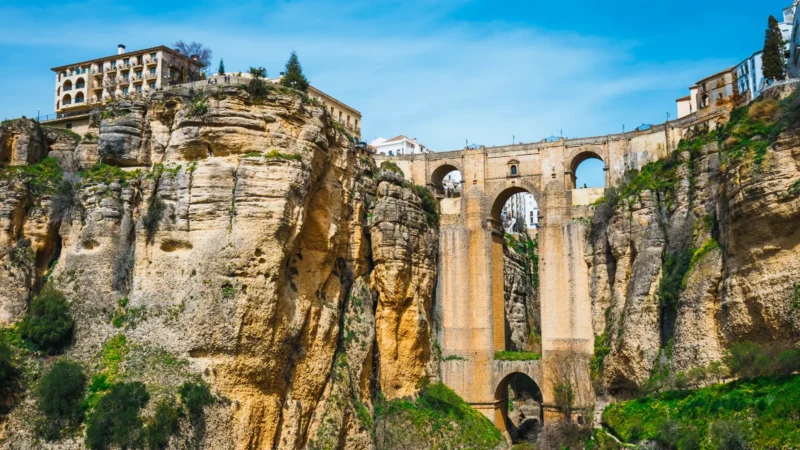
Ronda straddles a 100-metre gorge, split by the El Tajo ravine and joined by the dramatic Puente Nuevo bridge. It is the largest and most famous of the white towns, with an old bullring, cliff-edge views and a walkable old quarter. It makes a natural eastern base for the white-village country.
Sierra de Grazalema Natural Park
A green mountain park of pine forest, limestone peaks and deep gorges, straddling Cádiz and Málaga. It is officially the wettest place in Spain, which keeps it lush. Griffon vultures wheel overhead, and marked trails suit walkers of every level. A complete contrast to the dry plains further east.
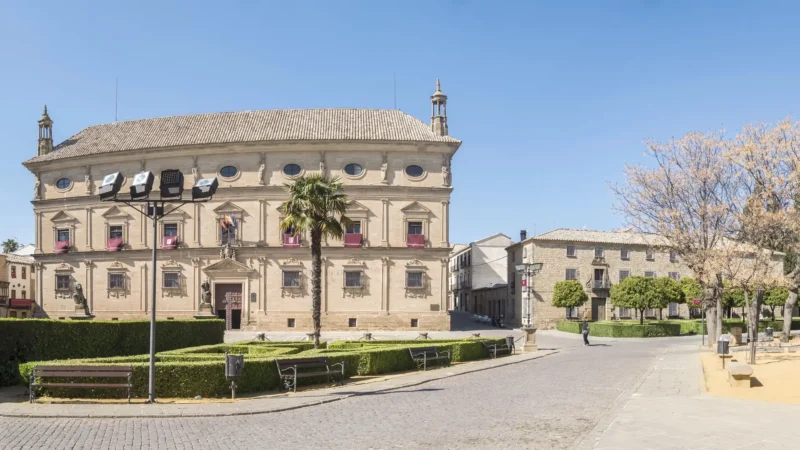
Úbeda and Baeza
These twin towns in Jaén province hold some of the finest Renaissance architecture in Spain — honey-coloured palaces, courtyards and churches, built in a single burst of 16th-century wealth. Named together as a UNESCO World Heritage Site, they sit almost unvisited amid the largest olive-growing country on earth. This is Andalucía’s quiet, cultured north-east, the ground the Renaissance & Olive Trail covers.
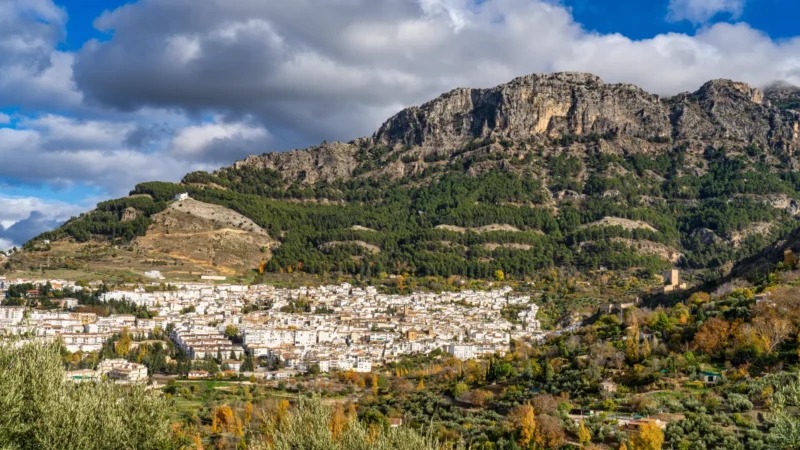
Sierra de Cazorla
The largest protected natural area in Spain rises in Jaén’s far north-east — a vast park of pine forest, deep gorges and high peaks, with griffon vultures overhead and the source of the Guadalquivir river. The whitewashed town of Cazorla clings to the mountain’s edge as its gateway. A wild, green contrast to the region’s beaches and plains.
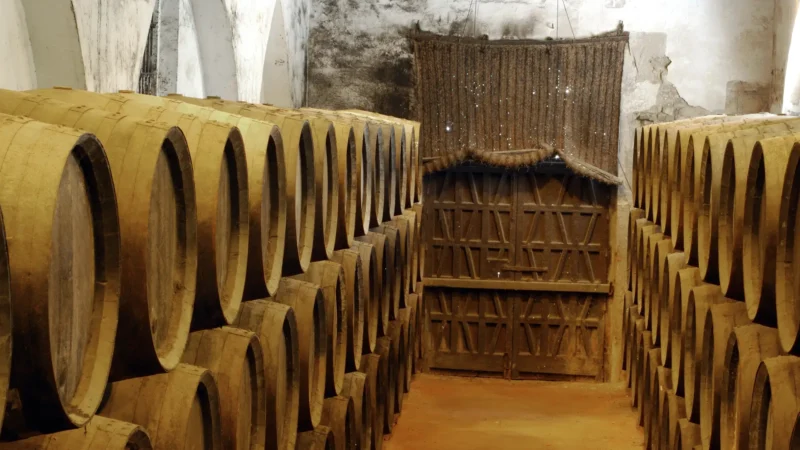
Jerez and the sherry bodegas
Jerez de la Frontera is the home of sherry, the fortified wine made only in this corner of Cádiz. Historic bodegas offer tastings and tours of their cool, cathedral-like cellars. Jerez is also a centre of Andalusian horse culture and flamenco, making it a rich half-day or full day out.
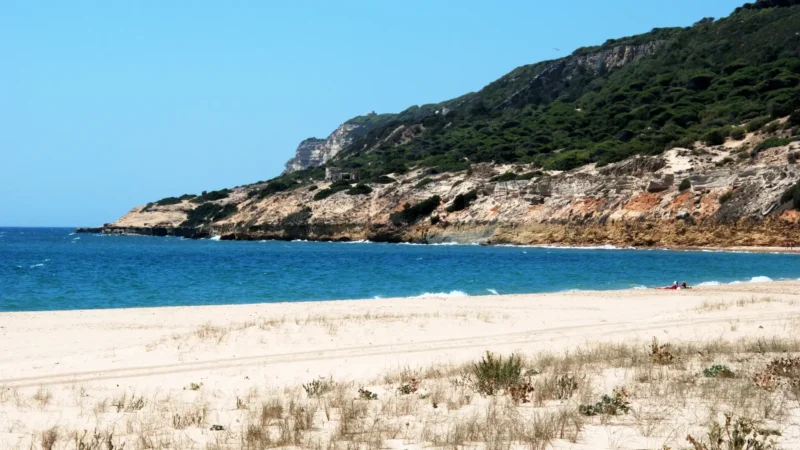
The Costa de la Luz
Cádiz province’s Atlantic coast is the quiet alternative to the crowded Costa del Sol. Think wide, wind-swept beaches, white fishing towns and fresh seafood. The wind that draws kite-surfers to Tarifa also keeps the sand clean and the crowds thinner. A different, breezier side of the south.
Cádiz and the Atlantic cities
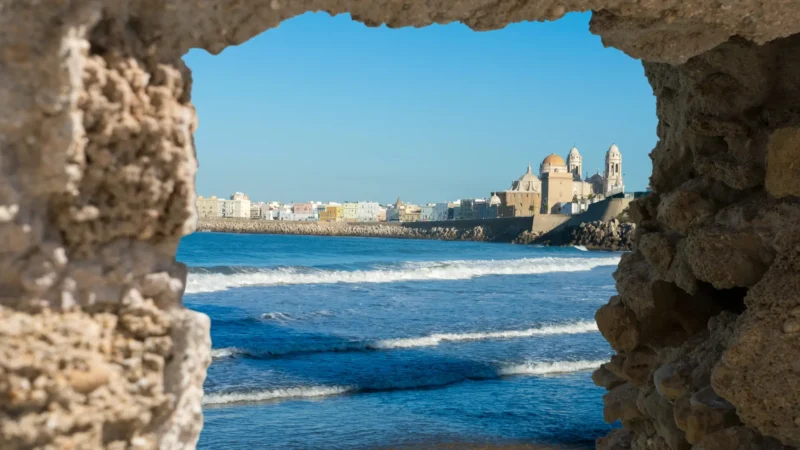
Cádiz claims to be one of the oldest cities in Western Europe, a sea-battered old town of narrow lanes and golden domes almost surrounded by water. Nearby stand the sherry-triangle towns of El Puerto de Santa María and Sanlúcar de Barrameda, gateways to Doñana. Together they make a salty, history-rich coastal cluster.
Doñana National Park
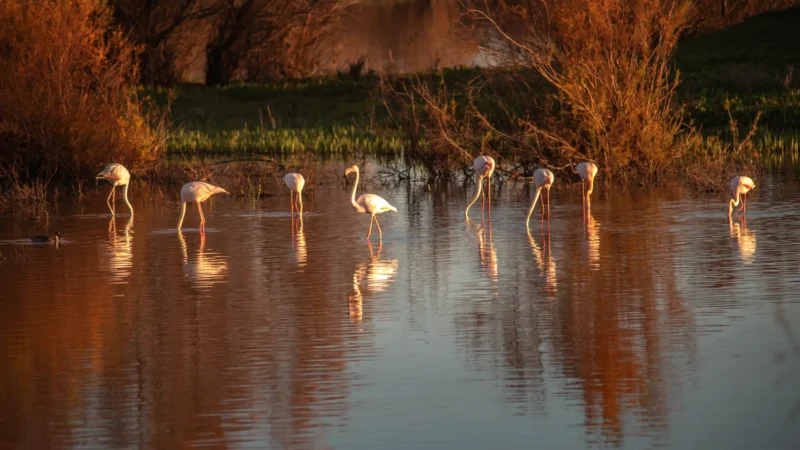
One of Europe’s most important wetlands, on the Atlantic edge of the region. Its marshes, dunes and pine woods shelter huge numbers of migrating birds, plus rare species like the Iberian lynx. A UNESCO World Heritage Site, best seen on a guided 4×4 tour — book ahead in peak season.
Caminito del Rey
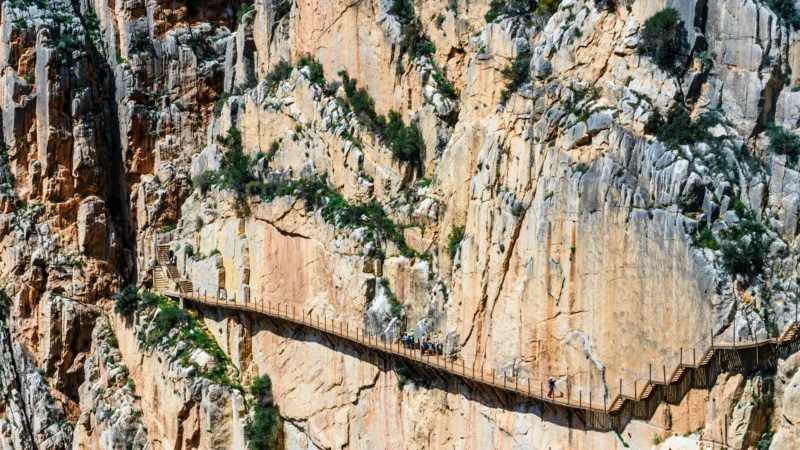
Once “the world’s most dangerous walkway”, this cliff-side path in Málaga province was rebuilt and reopened in 2015. It threads the El Chorro gorge on boardwalks pinned to sheer rock, 100 metres above the river. The walk is now safe, one-way and hugely popular — tickets are timed and sell out fast.
Flamenco
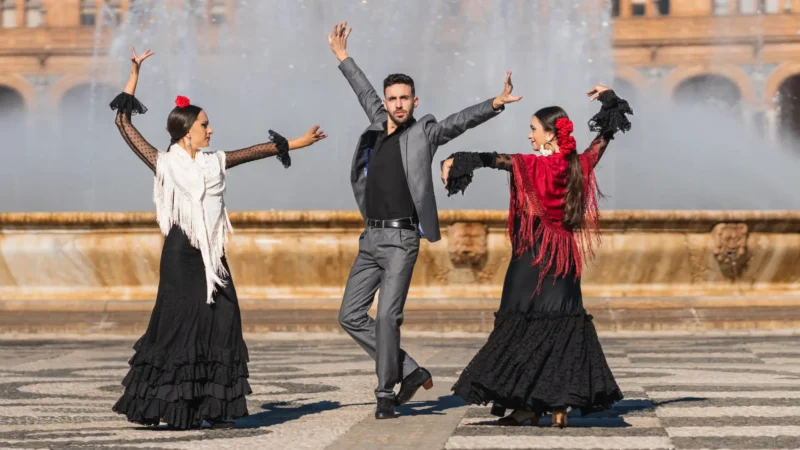
Flamenco was born in Andalucía, blending Roma, Moorish and Spanish roots into song, guitar and dance. UNESCO lists it as Intangible Cultural Heritage. You will find it across the region, but Jerez, Seville and Cádiz are among its strongest homes. An intimate live show beats any big tourist production.
Getting There and Around
Andalucía has several airports, so pick the one closest to where you plan to start.
Affiliate note: some links below are affiliate links. If you book through them, we may earn a small commission at no extra cost to you. It helps us keep GoHiddenSpain running and growing. We only suggest services we'd feel comfortable recommending.
Jerez (XRY)the closest to Arcos de la Frontera, about 40 minutes by car. Smaller, with fewer flights, but ideal if you head straight for the white villages.
Seville (SVQ)well connected across Europe. Around 1.5 hours to Arcos, or about the same to Ronda.
Málaga (AGP)the region’s biggest airport, with the widest choice of flights. About 1.5 hours to Ronda, or about 2.5 hours to Jaén — often the cheapest way in, even for the north-east.
Granada (GRX)the airport for the Alhambra, and the closest gateway to Jaén province and the Renaissance & Olive Trail, about 1 hour from Jaén. A good choice for the region’s north-east.
A car is essential for the white villages and the backcountry. The whole appeal here is quiet roads between small towns that buses reach slowly, if at all. Main routes are good, but expect narrow, winding mountain roads near the villages themselves. Old-town centres are tight and often restricted — park in the public car parks below and walk up. Most people pick up a hire car at the airport: compare car hire on LocalRent.
Prefer not to drive? If you’re basing yourself in one town like Ronda or Arcos and exploring by taxi, bus and day trips, a private transfer from the airport is the easy option — though it won’t get you between the smaller villages, where a car still wins. Book an airport transfer on GetTransfer.
The big cities (Seville, Granada, Córdoba) are linked by fast AVE trains if you prefer to skip driving between them.
How Long to Stay and Where to Base Yourself
Andalucía is large, and how you split it depends on your interests. The great cities sit far apart but are joined by fast trains. The white villages of the Sierra de Cádiz cluster close together and reward a car and a slower pace. And the quiet north-east, around Jaén, mixes Renaissance towns with mountain wilderness. Most trips work best by picking one or two of these areas rather than racing across the whole region.
How many days do you need?
A short taster (2–3 days)Enough for one focus. Base in Arcos de la Frontera and loop the nearest white villages — Grazalema, Zahara and Setenil — as easy day drives. Or spend the time on the Renaissance towns of Úbeda and Baeza in Jaén. Or give it to a single great city like Seville or Granada.
The sweet spot (4–5 days)Time to see one area properly without rushing. In the west, split your nights between Arcos and Ronda for the white-village country — the rhythm the White Villages Trail is built around. In the north-east, run from Jaén through Úbeda and Baeza to the Sierra de Cazorla — the shape of the Renaissance & Olive Trail.
A week or more (7+ days)Combine two areas. Pair the white villages with a great city or two by fast train — Seville, Córdoba or Granada — or drop down to the quiet Costa de la Luz beaches around Cádiz. Or link the white villages in the west with Jaén in the north-east, using Granada as the stop in between. A week lets you mix villages, monuments, mountains and coast at an unhurried pace.
Explore Andalucía by area
Andalucía’s places are grouped by province, matching Spain’s own map. We are building the region out from the Sierra de Cádiz white villages in the west, and inland into the north-east, so the first provinces filled in are Cádiz, Málaga and Jaén.
Cádiz
- Jerez de la FronteraThe birthplace of sherry, with dancing horses and deep flamenco roots — a working Andalusian city that stays real.
- UbriqueThe biggest white village and Spain’s leather-craft capital, wrapped in cliffs and Roman history.
- Setenil de las BodegasA white village where houses are tucked under vast rock overhangs, famous for its cave streets and cave-cool tapas bars.
- OlveraA white town crowned by a Moorish castle and a great church, and the start of the Vía Verde greenway.
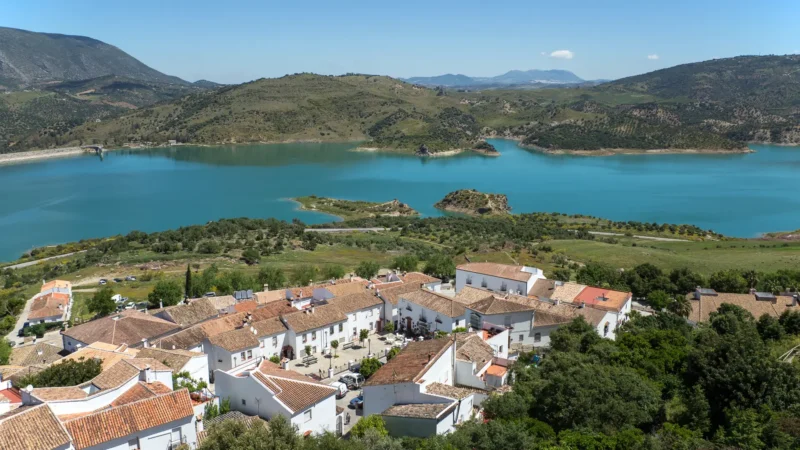
- Zahara de la SierraA white village wrapped round a crag under a Moorish tower, high above a turquoise mountain lake.
- GrazalemaA cool, green mountain village in the Sierra de Grazalema park, built for hiking and payoyo cheese.
- Arcos de la FronteraA white town perched on a sandstone cliff, ringed by the Guadalete, with sudden sweeping views at every turn.
Cádiz province holds the heart of the Pueblos Blancos — the white villages of the Sierra de Cádiz, ringed by the green Grazalema natural park. It also runs down to the Atlantic Costa de la Luz and the sherry town of Jerez. Most of this guide's white villages sit here.
Málaga
- RondaThe dramatic gorge town split by the Puente Nuevo — the biggest, best-known stop on the White Villages Trail.
Málaga province stretches from the Costa del Sol up into rugged inland country. On its western edge, bordering the Sierra de Cádiz, stands Ronda — the largest of the white towns, split by its famous gorge and a natural base for the eastern end of the trail.
Jaén
- CazorlaA white mountain town under a Moorish castle, and the gateway to Spain’s largest natural park.
- ÚbedaA UNESCO Renaissance city of golden palaces and calm squares, set in Jaén’s endless sea of olive groves.
- BaezaA small, golden-stone Renaissance town in Jaén’s olive country — UNESCO-listed and far quieter than most.
- JaénA big-hearted olive-oil city with a Renaissance cathedral, Spain’s largest Arab baths and a castle above the groves.
Jaén province is Andalucía's quiet north-east — a different face of the region entirely. This is Spain's Renaissance heartland: the golden-stone twin towns of Úbeda and Baeza, both UNESCO World Heritage Sites, sit amid the largest olive-growing country on earth, the source of Jaén's famous "liquid gold". Beyond them the land climbs into the Sierra de Cazorla, Segura y Las Villas, the biggest protected natural area in Spain, all pine forest, gorges and vultures. Few road-trippers turn off for it, which is exactly its appeal.
Seville
- SevilleAndalucía’s grand capital, with three UNESCO monuments, orange-tree squares and Spain’s best tapas scene.
Home to Andalucía's capital, the province of Seville spreads out along the Guadalquivir into rolling farmland and quiet mountains. East of the city, the golden towns of La Campiña — Carmona, Écija and Osuna — hold baroque churches and Roman ruins, while the Sierra Norte to the north offers whitewashed villages, oak forests and cool walking country; just outside the capital lie the Roman remains of Itálica.
Córdoba
- CórdobaA great caliphal capital on the Guadalquivir, wrapped around the world-famous Mezquita-Catedral and a maze of flower-filled patios.
At the heart of Andalucía, the province of Córdoba follows the Guadalquivir through olive country and quiet mountains. The great caliphal city of Córdoba sits on the river, its Mezquita-Catedral the region's most famous monument. South rise the limestone Sierras Subbéticas, where white villages like Zuheros and baroque Priego de Córdoba cling to the slopes. To the north, the empty oak pastures of Los Pedroches spread toward the Sierra Morena. Just west along the river stands the storybook castle of Almodóvar del Río.
Granada
- GranadaHome to the Alhambra and the Albaicín, Granada is Moorish Andalucía at its grandest — best seen early, late and at your own pace.
At the foot of the Sierra Nevada, the province of Granada packs Spain's greatest contrasts into one stretch of land. The Moorish city of Granada sits below the mountains, its Alhambra the most visited monument in the country. Behind it rise the snow-capped peaks of the Sierra Nevada, crowned by Mulhacén, the highest summit on the Spanish mainland and home to Europe's most southerly ski slopes. On the southern slopes, the white Berber-style villages of the Alpujarras — Pampaneira, Bubión, Capileira — cling to the Poqueira gorge, while Trevélez, the highest village in Spain, cures its famous hams in the mountain air. South again, the subtropical Costa Tropical brings beaches and mango groves; east lies the desert-like country around Guadix, riddled with lived-in cave houses.
Looking for a ready-made plan? See our Andalucía road trips.
Food and Drink in Andalucía
Andalucía is one of Spain’s great tables, and much of what it makes carries a protected DOP or IGP stamp — a legal mark of origin and quality. Here is what to look for.
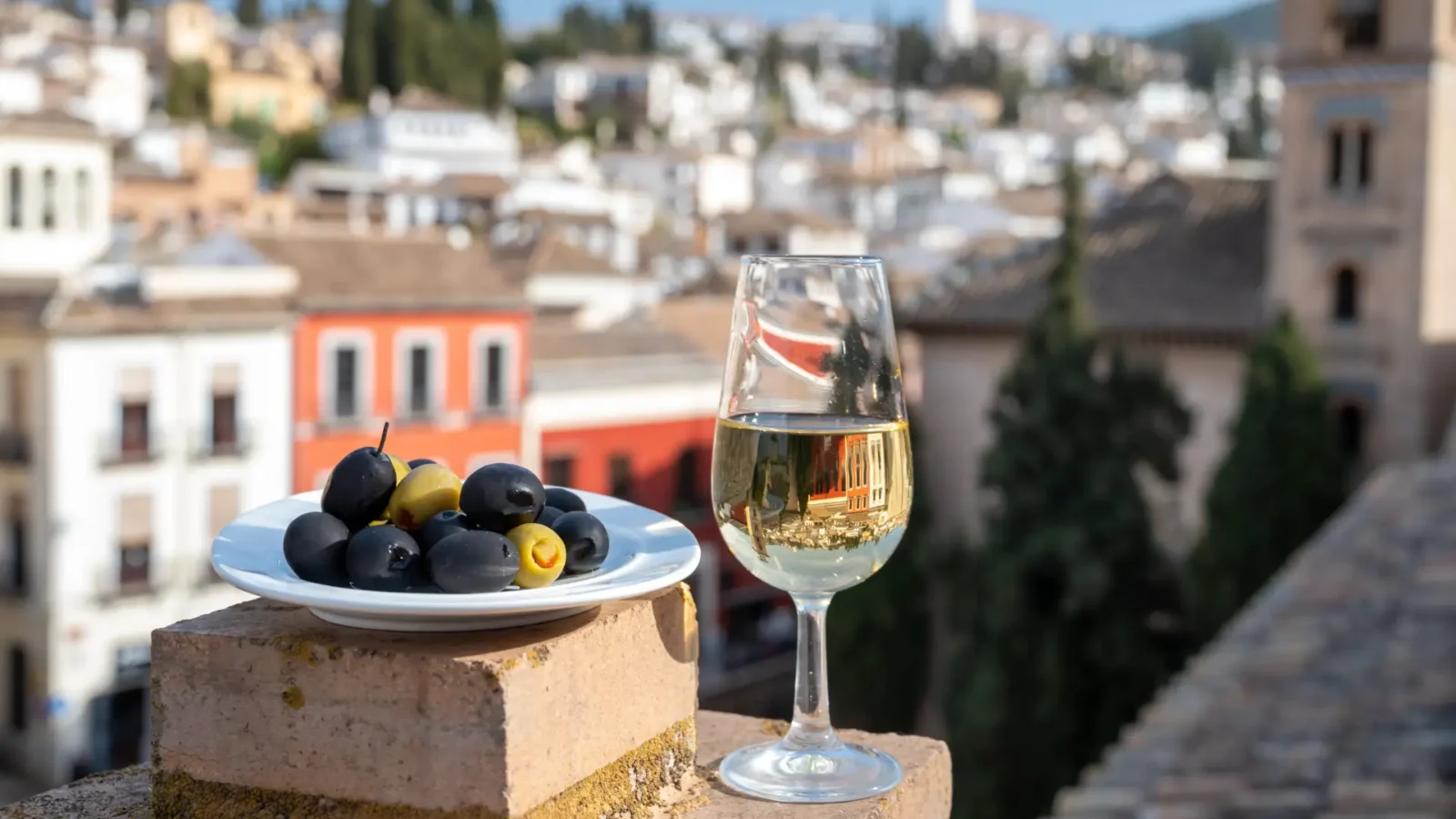
Sherry (Jerez)The region’s signature wine, made only in the “sherry triangle” around Jerez de la Frontera, Sanlúcar and El Puerto de Santa María. It ranges from bone-dry Fino and Manzanilla to rich, sweet Pedro Ximénez. All are protected under the Jerez-Xérès-Sherry and Manzanilla designations. A bodega tasting is one of the region’s best food experiences.
Olive oil Andalucía produces a huge share of the world’s olive oil, and around a dozen of its areas hold their own DOP. The province of Jaén is the heartland — the single biggest olive-growing area on earth — with three protected oils of its own: Sierra de Cazorla, Sierra Mágina and Sierra de Segura. Others include Sierra de Cádiz, Priego de Córdoba, Baena and Antequera. Each has its own character, and here extra-virgin oil is a daily staple, not a luxury.
Iberian hamThe famous acorn-fed jamón ibérico comes from the mountain pastures, with the DOP names Jabugo (Huelva) and Los Pedroches (Córdoba) marking the best. Cured for years in cool cellars, it is nutty, deep and worth the price.
Payoyo cheeseA prized cheese from Grazalema and the Sierra de Cádiz, made from local Payoya goat and sheep milk. Firm, tangy and award-winning, it is the taste of the white-village country. Look for it in village shops and on tapas menus.
Local dishesCool soups rule the hot months: gazpacho, and the thicker, creamier salmorejo from Córdoba. In the cooler season, try rabo de toro (slow-braised oxtail) and fried fish (pescaíto frito) on the coast.
Hungry for specifics? Each place page carries hand-picked restaurant lists, across every price level — from village bars to special-occasion tables.
Good to Know
Language: Spanisha strong, fast Andalusian accent that drops final letters. English is widely spoken in cities and tourist spots, less so in small villages. A few Spanish words go a long way.
Money: EuroCards are accepted almost everywhere, but carry some cash for small village bars, markets and parking machines.
Tipping: Not expectedRounding up, or leaving a euro or two for good service, is normal and appreciated.
SiestaMany small shops and some restaurants close in the early afternoon, roughly 2–5pm, then reopen into the evening. Dinner is late; kitchens often get going around 8:30–9pm.
DrivingRoads are good, but village lanes are steep, narrow and often restricted to residents. Use the public car parks below the old towns and walk up.
Frequently Asked Questions
Yes. Andalucía has the finest Moorish architecture in Europe, whitewashed hill villages, a warm and welcoming food culture, and long stretches of quiet Atlantic coast. It offers both grand cities and calm backcountry, so it suits first-timers and repeat visitors alike.
For a first taste of one area, 2–3 days is enough. To see the Sierra de Cádiz white villages properly, allow 4–5 days split between two bases; the same span covers the Renaissance towns and mountains of Jaén in the north-east. A week or more lets you combine two areas, or add a great city or the coast, at an unhurried pace.
It is known for flamenco, sherry, olive oil and Moorish landmarks like the Alhambra and the Mezquita. It is also famous for its white hill villages, its tapas culture, and hot, sunny summers.
No. The region’s quiet north-east, Jaén province, is a different world: the UNESCO Renaissance towns of Úbeda and Baeza, endless olive groves, and the Sierra de Cazorla — the largest protected natural area in Spain. It sees far fewer visitors than the coast or the great cities, and rewards a slower, car-based trip.
Spring (March–May) and autumn (September–October) are ideal, with comfortable days around 18–26°C and green countryside. Summers are very hot inland, often above 36°C, though the coast stays cooler. Winters are mild by day and the low season for prices.
For the white villages and countryside, yes — a car is essential to reach the small towns and quiet roads. The big cities of Seville, Córdoba and Granada are linked by fast trains if you would rather not drive between them.
For the white villages, base in Arcos de la Frontera in the west and Ronda in the east; between them they cover the whole area with short drives. For the north-east, base in Úbeda for the Renaissance towns and Cazorla for the mountains. For a city trip, base in the city itself rather than commuting in.
No, it is one of Spain’s better-value regions, especially inland. Meals, wine and rooms cost noticeably less away from the coast and the biggest cities. Eating and staying well here does not require a big budget.
Fly into one of the region’s airports: Jerez is closest to the white villages, Seville and Málaga offer the widest choice of flights, and Granada is closest to Jaén and the north-east. From any of them, hire a car to explore the towns, villages and backcountry.
Where to Stay in Andalucía
Standout places to sleep in our suggested bases across the region — handpicked for character, location and comfort. For the full range in any town, from village casas rurales to cliff-edge paradores, see its place page.
Hotel Soho Boutique Palacio San Gabriel
An 18th-century palace of 22 rooms in the heart of the old town, a few steps from Ronda’s best-known monuments and about five minutes from the Puente Nuevo. It’s full of character, with unique furniture and pieces rescued from historic buildings. Nice extra touches include a wine cellar and a small private cinema room. You can drive to the door to drop bags, then use nearby public parking. Warm and atmospheric for two nights.
Check prices & availability for Hotel Soho Boutique Palacio San Gabriel on the accommodation's websiteLa Casa Grande
A characterful small guesthouse in a restored old house in the historic centre, with a rooftop terrace over the cliff and valley. A warm, personal alternative to the parador at a gentler price, and right among the white-washed lanes.
Check prices & availability for La Casa Grande on the accommodation's websiteParador de Arcos de la Frontera
The classic Arcos stay: a former magistrate’s house right on Plaza del Cabildo, with a cliff-edge terrace over the Guadalete. Ask for a valley-facing room and you wake to the view the whole town climbs up to see. Sleep at the very heart of the old town.
Check prices & availability for Parador de Arcos de la Frontera on the accommodation's websiteParador de Ronda
The best-placed hotel in town: the Parador stands on the very edge of the gorge, in Ronda’s former town hall, right beside the Puente Nuevo. Many rooms and the pool terrace look straight down into El Tajo. Sleep here and the bridge is the first thing you see at dawn.
Check prices & availability for Parador de Ronda on the accommodation's website