
Haro: The Wine Capital of Rioja
Haro is the wine capital of La Rioja, a small town in the north of Spain, wrapped in vineyards above the Ebro River. Its real draw sits by the old railway station: the Barrio de la Estación holds the largest cluster of century-old wineries in the world, all within a short walk. Above it, a hilltop old town of tapas bars and stone lanes climbs to a Gothic church.
Why Visit Haro
People come to Haro to drink Rioja at the source. The town has poured wine for centuries, and it wears that history plainly. Cellars founded in the 1800s still line the streets by the station, and you can walk from one tasting room to the next in an afternoon. Above them, the old town is a tight knot of stone lanes, tapas bars and a church tower you can see from the vineyards. It is a working wine town, not a theme park, and it stays that way even in high season.
Haro — a calm base for the Rioja Alta
Haro sits at the western edge of La Rioja, in the Rioja Alta, where the region's most respected vineyards grow. That makes it a natural base for touring wineries and the small towns around it. It is quieter than Logroño and built at a slower pace: busy in the evening around the tapas streets, sleepy by day, empty on the vineyard roads a few minutes out. Come for the wine, stay for the calm, and use it as your launch point into the whole Rioja Alta.
Day trip or overnight?
You can see Haro in a few hours. Walk up to the church, look over the town from the top, and stroll the tapas streets, and you have the shape of it. But the wineries need booking, and the tasting rooms are best in the late afternoon. Our honest advice is to stay the night. A perfect short visit looks like this: arrive at midday, book a bodega tour in the Barrio de la Estación, then walk back up to the old town for the evening. Eat your way round La Herradura as the bars fill, sleep in town, and drive out among the vines in the morning. A day trip makes you leave just as the bars wake up — the reason to come in the first place.
What to See in Haro
Barrio de la Estación
This district by the old railway station holds the largest concentration of century-old wineries in the world, packed into a few walkable streets. Famous names like Muga, La Rioja Alta, López de Heredia, CVNE and Gómez Cruzado all sit here, most of them founded in the late 1800s when the railway arrived. You walk from cellar to cellar with a glass in hand, which is why locals call it the “golden mile” of Rioja wine. Most bodegas need a booking to visit.
Iglesia de Santo Tomás
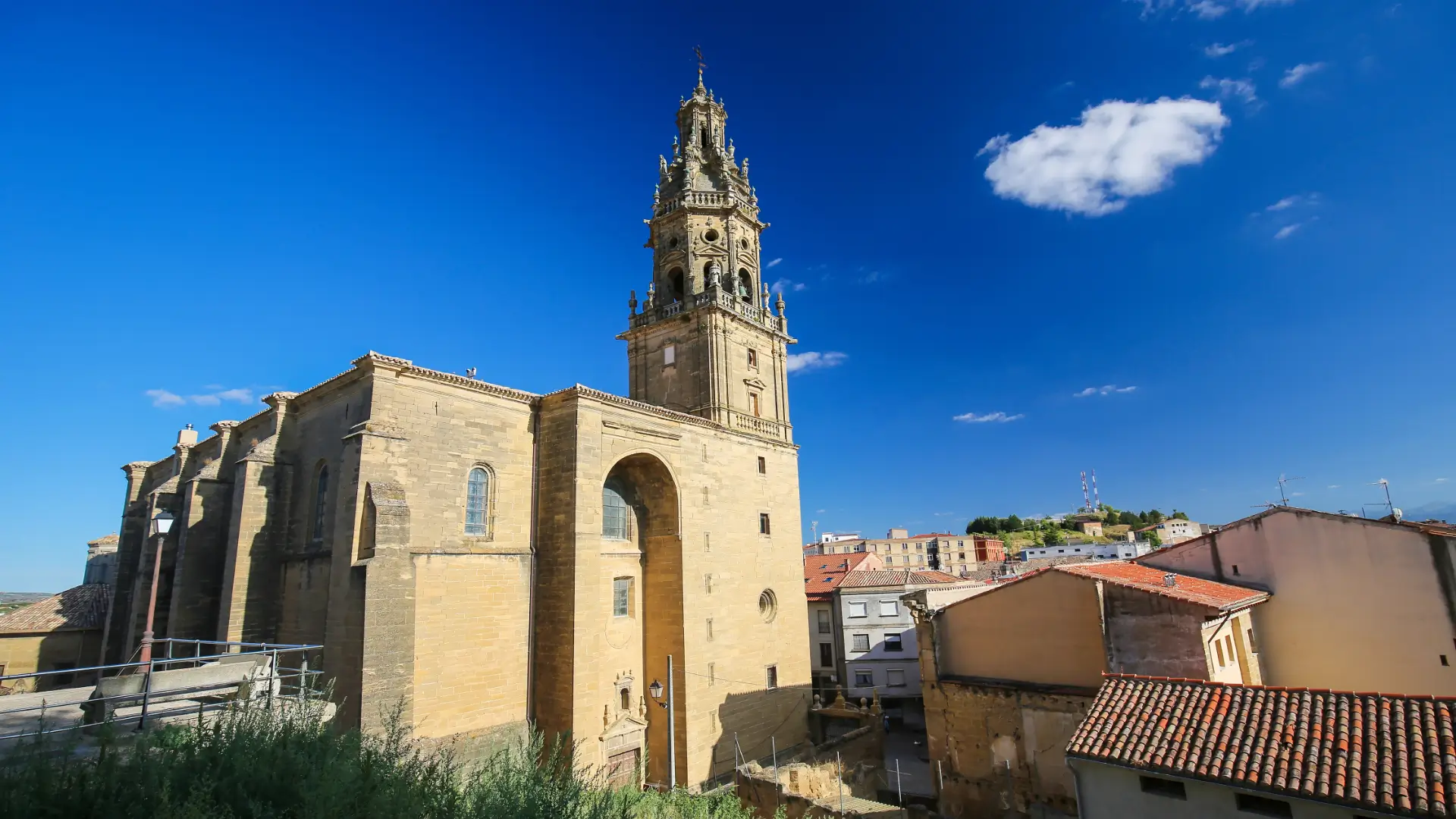
The town’s main church stands at the highest point of the old town, so its tower is visible from the vineyards below. It was built between the 15th and 17th centuries and mixes late-Gothic and later styles, with a carved Plateresque main portal by the sculptor Felipe Vigarny as its finest feature. It was declared a national monument in 1931. Climb the streets up to it for the best view back over Haro’s rooftops.
Plaza de la Paz
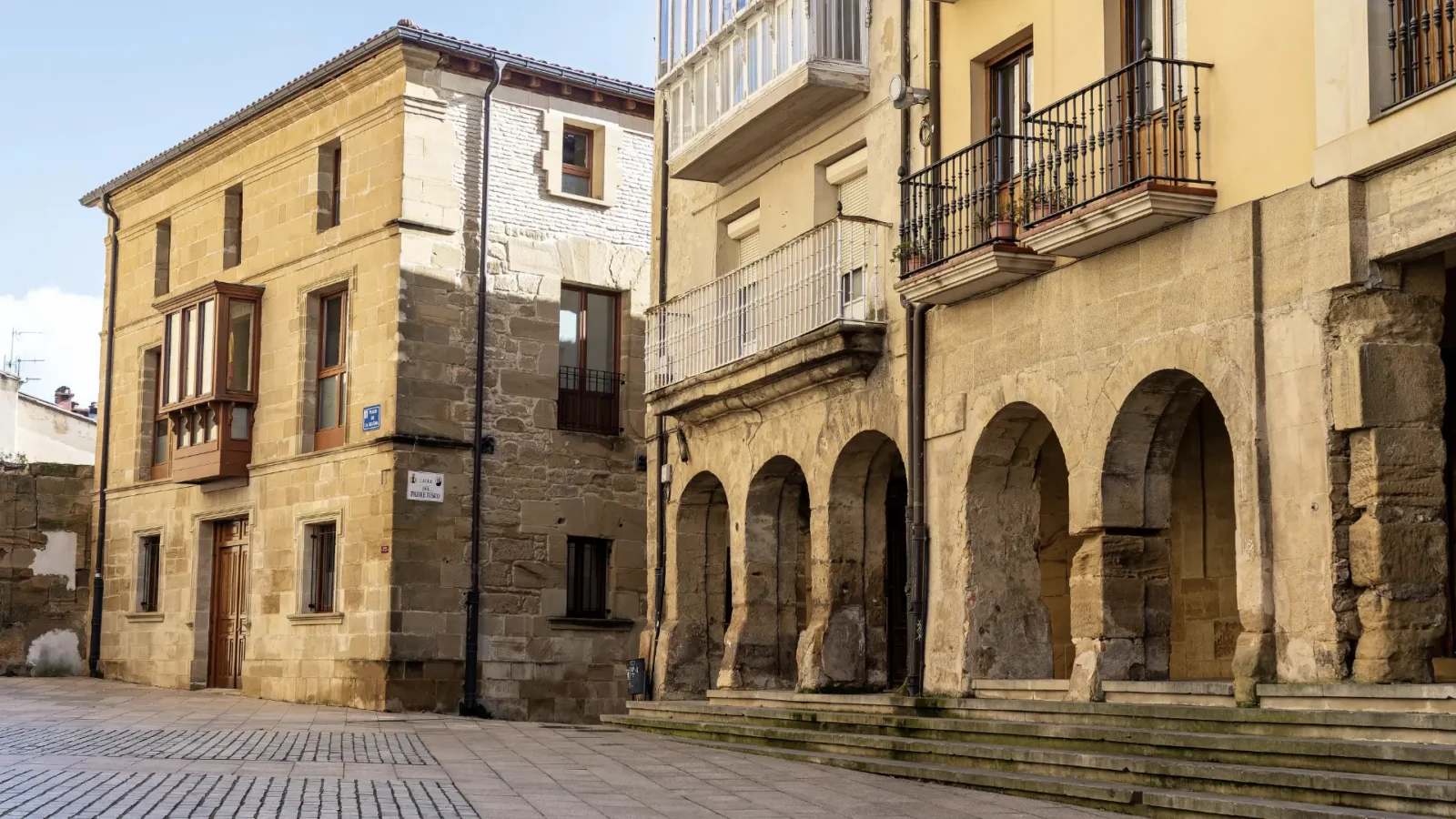
The arcaded main square is the social heart of Haro, ringed with cafés, wine bars and the 18th-century town hall. Grab a table under the arches, order a glass of local red, and watch the town go by. It is also where the festival crowds gather, and where the wine-soaked walkers end up after the Batalla del Vino each summer.
La Herradura
La Herradura, “the horseshoe,” is the old-town tapas circuit — two parallel lanes, Calle Santo Tomás and Calle San Martín, that curve round like a horseshoe. They are lined with small bars, each known for a few things done well. In the evening, locals move from one to the next with a glass of Rioja, so this is where you eat and drink after dark.
Museo del Vino (López de Heredia pavilion)
In the Barrio de la Estación, the historic López de Heredia winery added a striking modern tasting pavilion designed by architect Zaha Hadid — a curved, ship-like structure grafted onto the 19th-century cellars. It is a sharp contrast: cutting-edge design wrapped around one of the oldest family bodegas in Rioja. The guided visit includes the old cellars and a tasting; book ahead through the winery.
Basílica de Nuestra Señora de la Vega
This 18th-century church, down by the Vega gardens, is home to Haro’s patron saint, the Virgen de la Vega, honoured with a town festival each September. It is a quieter stop than Santo Tomás, built in a mix of stone, rubble and brick. Pair it with a slow walk through the adjoining Jardines de la Vega.
What to Do in Haro
Tour and taste in the Barrio de la Estación
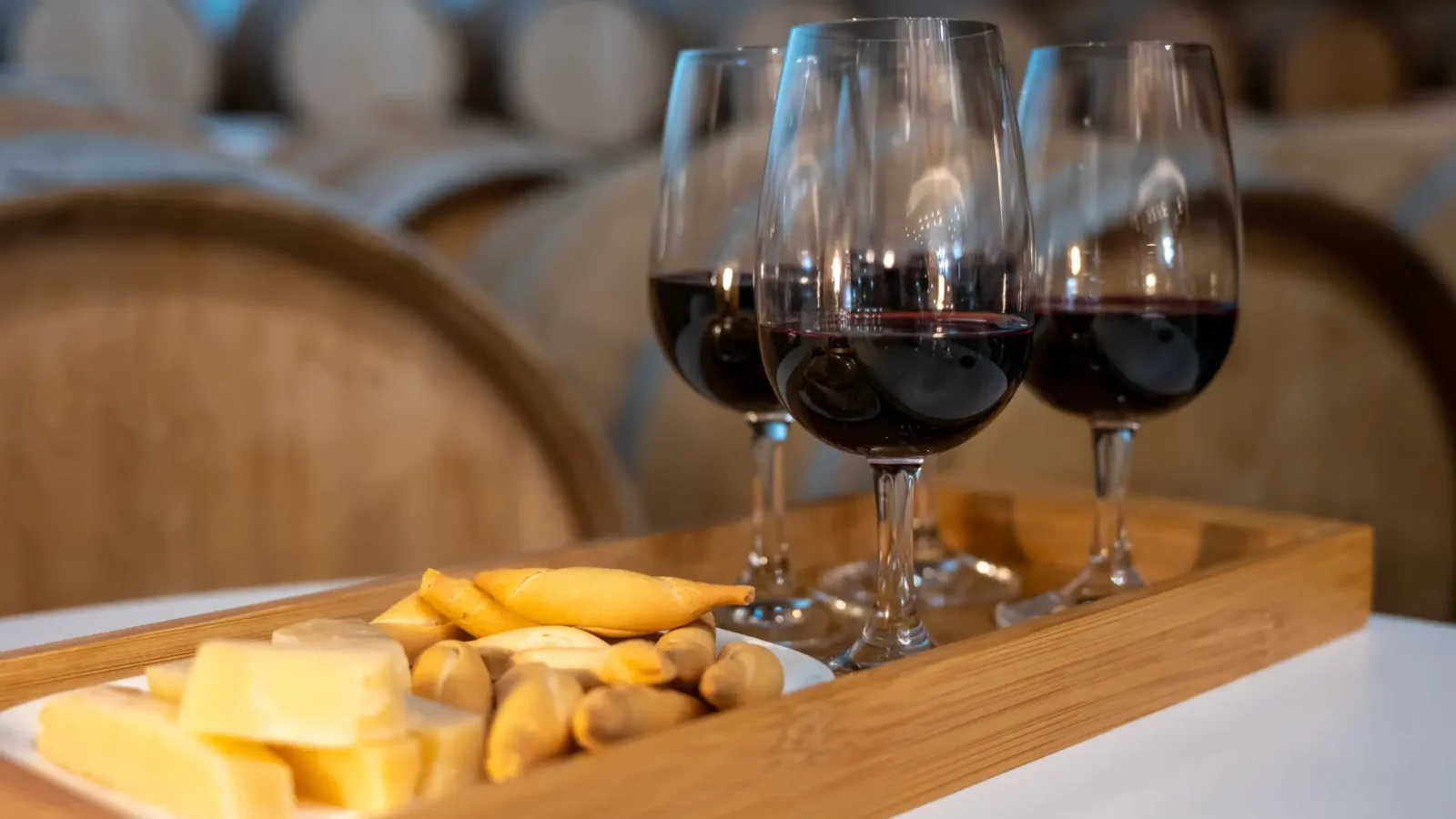
This is the reason most people come, and it is where a booking earns its keep. Several of the world’s most historic wineries sit side by side here, and a guided visit walks you through the vineyards, the underground cellars and a tasting flight — with someone who explains why a Rioja Reserva ages differently from a Crianza, and lets you taste the difference. Book each bodega directly and in advance; the big names fill up. A guide turns a row of closed cellar doors into the best afternoon of the trip.
Graze the tapas streets of La Herradura
The evening tapas crawl needs no booking and no plan. Start on Calle Santo Tomás, order one thing at each bar — grilled mushrooms, a skewer, a plate of jamón — and pair it with a small glass of Rioja, then follow the horseshoe round to Calle San Martín and the Plaza de la Paz. Go from about 8pm, when the locals come out and the bars put fresh pintxos on the counter.
Walk up to the old town and the church viewpoint
Haro rewards a slow climb. From the Plaza de la Paz, wind up the stone lanes to the Iglesia de Santo Tomás at the top, where the church square opens out over the rooftops and the vineyards beyond. It is a free, self-guided loop that links most of the old-town sights, and it is best in the soft light of late afternoon before the tapas hour.
Drive out to the Riscos de Bilibio
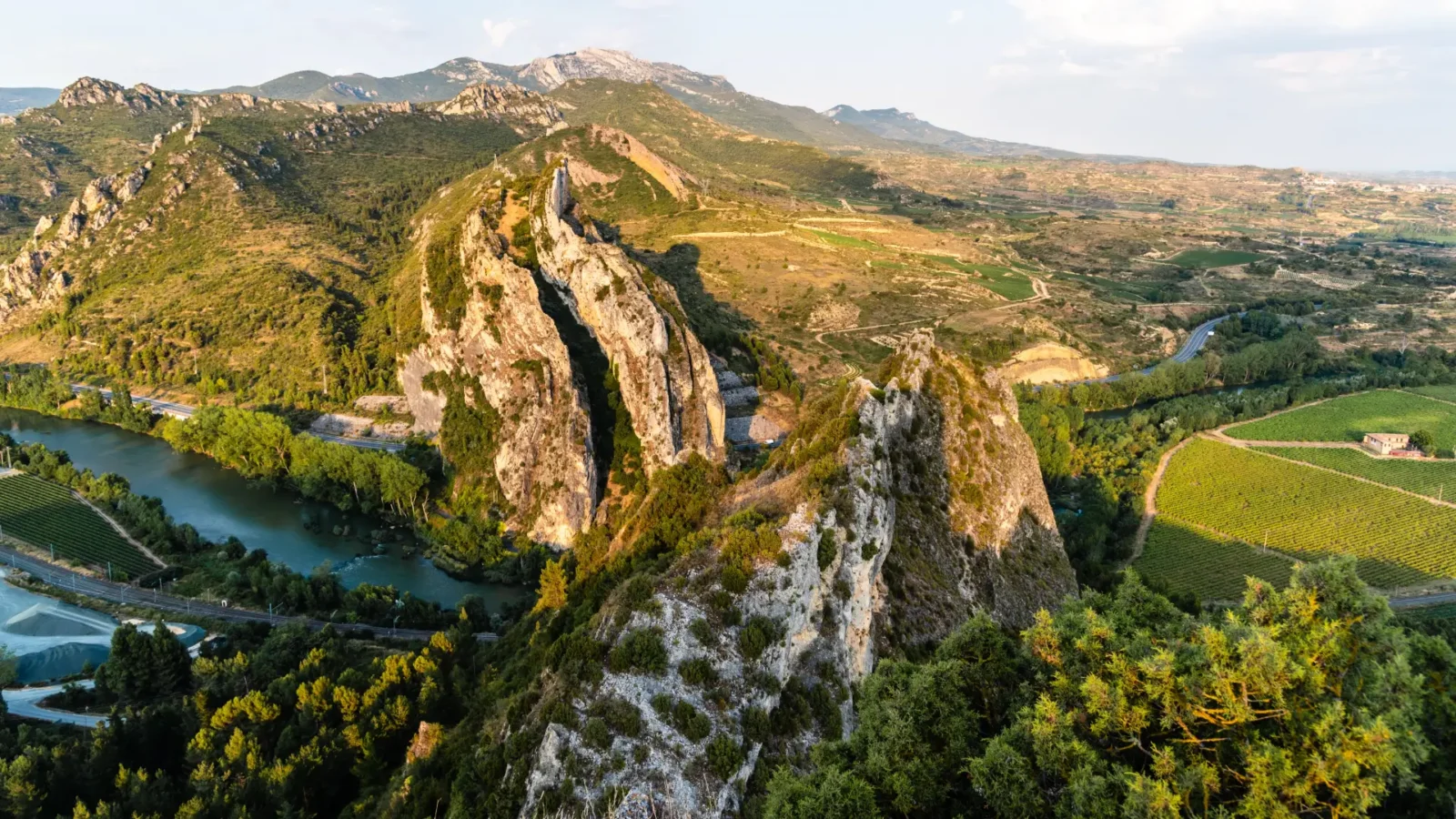
About 6 km from town, the Ermita de San Felices sits on the Bilibio crags above the Ebro, with one of the widest views in the area. It is the starting point of the Batalla del Vino wine fight each summer, but on any ordinary day it is a quiet, dramatic spot for a short walk and a look back over the valley. You need a car to reach it.
Prefer to go with a guide for any of this? Ask where you’re staying, or at the tourist office on the Plaza de la Paz — they’ll know what’s running, in which language, and can point you to something that fits.
Seasonal Events and Festivals
Batalla del Vino / Wine Battle (29 June)Haro’s most famous day, a fixed-date festival held every 29 June for the feast of San Felices. Thousands dress in white and climb to the Riscos de Bilibio, about 6 km out of town, where a morning mass is followed by a wine fight: everyone drenches everyone else in red wine until the whole crowd is stained purple. It is declared a festival of national tourist interest. Book accommodation months ahead if you want to be here for it. Check the official town programme for the daily schedule each year.
Fiestas de la Virgen de la Vega (early September)the town’s patron-saint festival, held over the first days of September, with a pilgrimage, processions, music and bullfighting. It is a more local, less tourist-driven week than the Batalla del Vino. For the current datescheck on the town site or at tourist office.
La Cata del Barrio de la Estación (mid-June, every other year)a large open-air wine tasting held in the Barrio de la Estación, where the historic wineries pour together in the streets. It runs on alternating years and sells out early, so check whether the next edition falls in your travel year and book as soon as tickets open.
Dates and daily programmes shift year to year. For what’s on when you visit, ask at the Haro tourist office on the Plaza de la Paz — they’ll have the current schedule.
Getting There and Around
Haro sits in the north-west corner of La Rioja, on the AP-68 motorway that runs between Bilbao and Zaragoza, right where La Rioja, the Basque Country and Castilla y León meet.
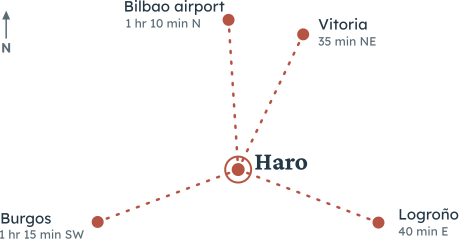
From Logroñoabout 40 minutes by car (roughly 42 km) on the AP-68 or the N-232 — the easy hop from La Rioja’s capital.
From Bilbaoabout 1 hour 10 minutes by car via the AP-68 (roughly 100 km). Bilbao is the most useful international gateway by air.
From Vitoriaabout 35 minutes by car (roughly 45 km) — the nearest Basque city.
From Burgosabout 1 hour 15 minutes by car — the link west to the Castilla y León cathedral cities.
Nearest airports Bilbao (BIO) is the closest major international airport, about 1 hour 10 minutes away. Vitoria (VIT) is smaller and closer but has few flights. Logroño-Agoncillo (RJL) is tiny and mainly runs a daily Madrid link.
By trainHaro has a small station on the Bilbao–Zaragoza line, about a 15-minute walk from the centre, with a few daily services to Logroño, Bilbao and beyond. Trains are limited, so a car is far more flexible.
Getting around
You do not need a car inside Haro — the old town is small and walkable, and the tapas streets are all a few minutes apart. Park once on the edge of the centre and leave it; there is free parking a short walk from the Plaza de la Paz. You do want a car for the region, and here more than most: the whole point of Haro is reaching the surrounding vineyards, the Barrio de la Estación bodegas (a 10–15 minute walk or a short drive from the old town), and the nearby wine towns of Briones, Nájera and San Vicente de la Sonsierra. Pick the car up at Bilbao airport and keep it for the whole Rioja Alta.
Looking for a ready-made plan? See our La Rioja road trips.
Practical Info
- Book bodegas aheadAlmost every winery in and around Haro, including the big Barrio de la Estación names, requires a prior reservation to visit or taste. Don’t turn up expecting a walk-in; book directly through each bodega’s website days or weeks ahead, especially in summer and at weekends.
- The Barrio de la Estación is a short walk outThe famous winery district sits by the railway station, about 10–15 minutes on foot below the old town, or a two-minute drive. Plan your day around getting between the two.
- Old town on footThe historic centre is compact but hilly — it climbs to the church at the top. Wear comfortable shoes for the stone lanes.
- Tapas timingLa Herradura fills up in the evening, roughly from 8pm; lunchtime around 2pm is the other peak. Many bars take a midweek rest day, so a place open on Monday may be shut on Tuesday.
- Closing daysIndividual restaurants and bars each take their own weekly rest day, often early in the week. Check ahead for a specific place rather than assuming.
- ClimateSummers are warm and dry — July and August highs sit around 26–27°C, with little rain. The most comfortable months are May, June and September, roughly 20–24°C. Winters are cool (January highs around 10°C), and the wettest spells come in spring and late autumn, with November the rainiest month.
- ParkingUse the free car park on the edge of the centre; the old-town core is tight and partly restricted, especially during festivals.
Where to Eat in Haro
You’ll eat and drink well in Haro, at every budget — this is the capital of Rioja wine, and the food is built to match it: lamb chops grilled over vine cuttings (chuletillas al sarmiento), red caparrón beans, and patatas a la riojana with chorizo. Two simple rules make it easy: for lunch, graze the tapas bars of La Herradura, where each place does a few things well; for dinner, book a proper table in the old town and eat slowly. The picks below cover both, from a grilled-mushroom pintxo to a table with a Michelin star.
A busy, no-frills La Herradura bar on Calle Santo Tomás, known above all for its grilled Riojan mushrooms stacked on bread — a local favourite that some rate over the more famous versions in Logroño. You order at the counter and eat standing. Simple, quick and good value. Closed Tuesday.
A small old-town wine bar with one of the widest by-the-glass wine selections in town, often cheaper than the bodegas themselves, plus a short list of good pintxos. It is where wine lovers come to try Rioja references they can’t easily buy. Closed Wednesday and Sunday.
A long-running La Herradura institution on Calle Santo Tomás, doing classic Riojan cooking — beans with chorizo, lamb chops, seasonal vegetable stews — as both tapas at the bar and full meals in the dining room. Reliable, local and popular; a good bet for a proper Riojan lunch or dinner. Book at busy times.
A famous old asador run by the same family for six generations, on Calle Lucrecia Arana, whose signature is wood-oven roast lamb served in a traditional dining room. It is a Haro classic and gets busy, so reserve. The roast lamb and the house Rioja are the things to order.
A warm, well-run old-town restaurant known for market-led cooking and a strong regional wine list, with friendly service and generous plates. It is a step up from the tapas bars without being formal. Closed Tuesday; a good choice for a relaxed dinner.
Haro’s most celebrated table, holding a Michelin star, set in a 16th-century former palace on the Plaza de San Martín. The kitchen cooks entirely over wood and embers — no gas, no electricity during service — on a daily-changing tasting menu for only around twenty diners. This is the special-occasion choice; reserve well ahead.
Where to Stay in Haro
Stay the night and Haro slows right down. The day’s wine tourists drift back to their cars, the tapas bars of La Herradura fill with locals, and the old-town lanes stay warm and busy long after the bodegas close — you’re a short stroll from your bed, in the middle of it. Here’s where we’d book, from a top-rated hostel to an 18th-century palace.
Palacio de los Ángeles
Sleep inside a restored 18th-century Baroque palace in the heart of the old town, a member of The Leading Hotels of the World, steps from the church and the tapas streets. The rooms are quiet and polished, and the concierge will line up your bodega visits and dinner tables. The five-star choice in Haro.
Check prices & availability for Palacio de los Ángeles on the accommodation's websiteEurostars Los Agustinos
Stay in a former 14th-century Augustinian convent, its glass-roofed stone cloister now the hotel’s grand central hall. Rooms are comfortable and the building carries real history, a two-minute walk from the Plaza de la Paz. A characterful upper-tier base for the wine district.
Check prices & availability for Eurostars Los Agustinos on the accommodation's websitePuracepa Urban Suites
A handful of beautifully finished suites in the centre, some with a private sauna, run by a host who serves breakfast to your room and books your restaurants and wineries. It reads more like a private apartment with hotel service than a hotel. A treat for a couple, and superbly rated.
Check prices & availability for Puracepa Urban Suites on the accommodation's websiteHotel Arrope
A comfortable, central four-star two minutes from the Plaza de la Paz, with a well-regarded bar and restaurant on the ground floor and the free car park close by. Rooms are simple and clean, and the Barrio de la Estación is a short walk away. An easy mid-range choice for a road-trip stop.
Check prices & availability for Hotel Arrope on the accommodation's websiteTinto Dreams Hostel
A bright, exceptionally well-kept hostel with private rooms as well as dorm-style beds, comfy sleeping pods, free coffee and a warm, helpful owner who points you to the right wineries and bars. It is central, a 15-minute walk from the station, and the affordable choice in town.
Check prices & availability for Tinto Dreams Hostel on the accommodation's websiteHotel Plaza de la Paz
A small, well-run hotel right on the arcaded main square, remodelled inside an older building with good soundproofing and a helpful host who sets up recommendations before you arrive. You step out of the door into the heart of the tapas action. Parking is a short walk away — arrange it when you book.
Check prices & availability for Hotel Plaza de la Paz on the accommodation's website
Region, Nearby and Routes
Part of La Rioja
Haro is in La Rioja
Part of these routes
Haro is one stop on our La Rioja Road Trip: 12 Days See the full trip
Nearby places
- LogroñoLa Rioja’s relaxed capital, where the Camino, a twin-towered co-cathedral and Spain’s best-loved pintxos street meet at the gateway to the wine region.
- Santo Domingo de la CalzadaLa Rioja’s great Camino town, with a cathedral that keeps a live rooster and hen and the region’s longest medieval walls.
- EzcarayA mountain town of arcaded stone squares and cool forest air, off the Rioja wine trail — with one of Spain’s great kitchens.
- NájeraLa Rioja’s old royal capital, where a fortress-like monastery holds thirty kings’ tombs beneath cliffs full of man-made caves.
- BrionesA walled medieval village on a hill in Rioja Alta, home to one of the world’s best wine museums and streets that stay quiet after dark.
- San Vicente de la SonsierraA wine village crowned by a walled castle and Gothic church, with Rioja’s oldest traditions still alive.
Frequently Asked Questions
Haro is well worth visiting, especially for wine lovers. It is the wine capital of La Rioja and home to the Barrio de la Estación, the world’s densest cluster of century-old wineries, which you can tour and taste on foot. Above it sits a small, walkable old town of tapas bars and stone lanes.
Haro is known as the capital of Rioja wine. Its Barrio de la Estación holds the largest concentration of century-old bodegas in the world, including names like Muga, La Rioja Alta and López de Heredia. It is also famous for the Batalla del Vino, a wine-throwing festival held every 29 June.
Haro needs about a day and, ideally, one night. You can walk the old town and church in a few hours, but the wineries need booking and are best in the late afternoon, and the tapas streets only come alive in the evening. Many travellers use Haro as a one- or two-night base for touring the Rioja Alta.
The best time to visit Haro is late spring or early autumn — May, June and September — when days are a comfortable 20–24°C. July and August are warm and dry, with highs around 26–27°C. The 29 June Batalla del Vino draws big crowds, so book months ahead if you want to be there for it.
You can do Haro as a day trip from Logroño — it is only about 40 minutes by car. But the wineries need advance booking and the tapas bars are best in the evening, so staying a night in Haro makes more of the visit if your plans allow.
Stay in Haro’s old town, close to the Plaza de la Paz and the tapas streets. For an upper-tier stay, the Palacio de los Ángeles (a restored 18th-century palace) and the Eurostars Los Agustinos (a former convent) are both central and full of character. Hotel Arrope and Hotel Plaza de la Paz are solid mid-range choices, and Tinto Dreams Hostel is the reliable budget option.
Eat your way round La Herradura, the old-town tapas circuit on Calle Santo Tomás and Calle San Martín. Bar Chamonix is known for its grilled Riojan mushrooms, and Restaurante Beethoven for classic Riojan dishes. For a proper dinner, try the family asador Terete for roast lamb; for a special meal, book the Michelin-starred Nublo, which cooks entirely over wood fire.