
Jarandilla de la Vera: the Castle Town Where an Emperor Waited
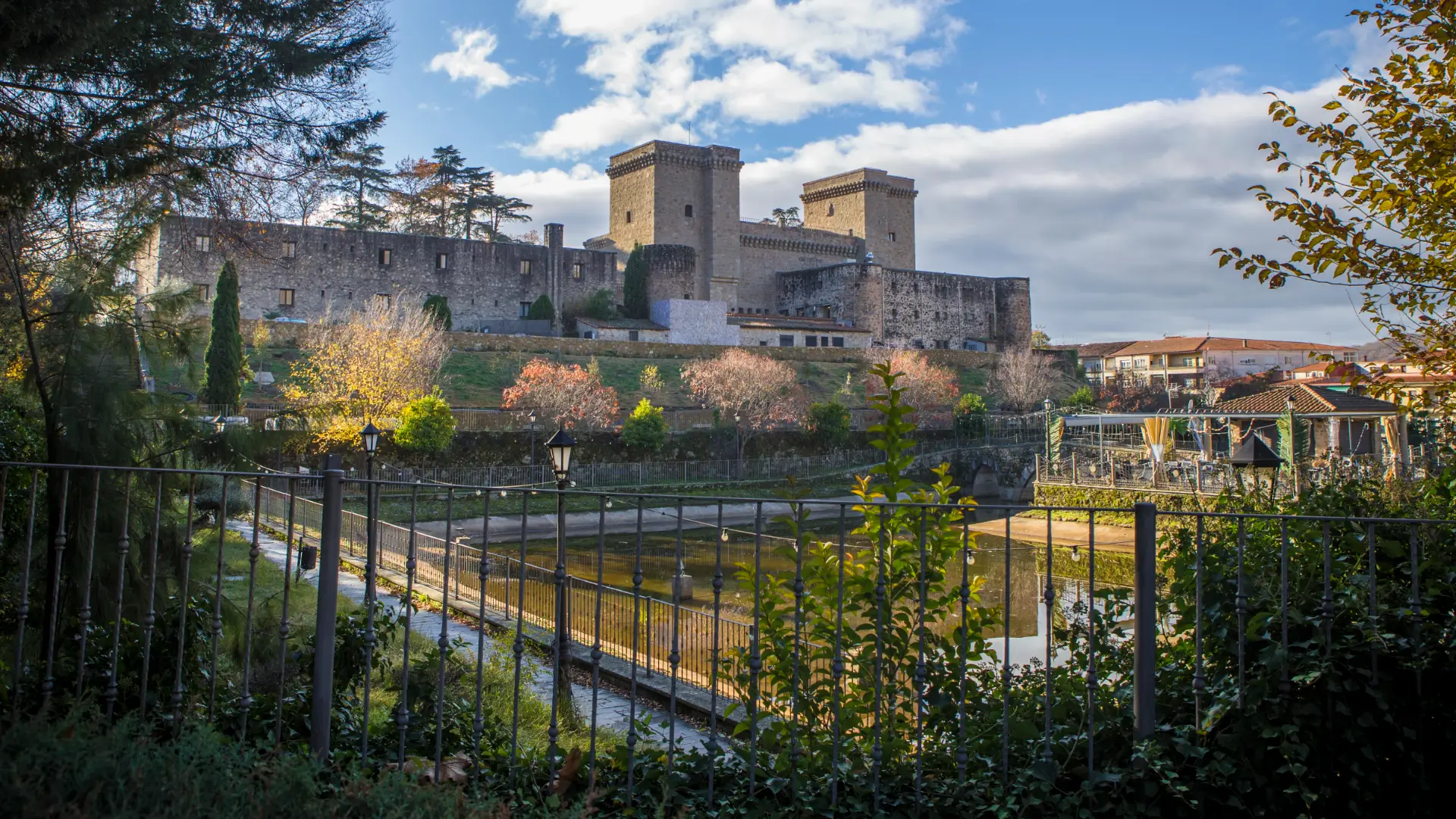
Jarandilla de la Vera sits in the green heart of La Vera, in northern Extremadura. Its 15th-century castle, now a Parador, once housed Emperor Charles V while his retreat at nearby Yuste was being finished. Below the town, the Garganta Jaranda runs cold and clear into natural pools. Come for the history and the water — and for streets most travellers still drive past.
Why Visit Jarandilla de la Vera
Most people who reach Jarandilla come for one thing: to sleep in the castle. It is a fair reason. The Castle of the Counts of Oropesa is now a Parador, and Charles V really did live here in 1556 and 1557, waiting while his rooms at the Monastery of Yuste were made ready. But the town rewards more than a one-night stop.
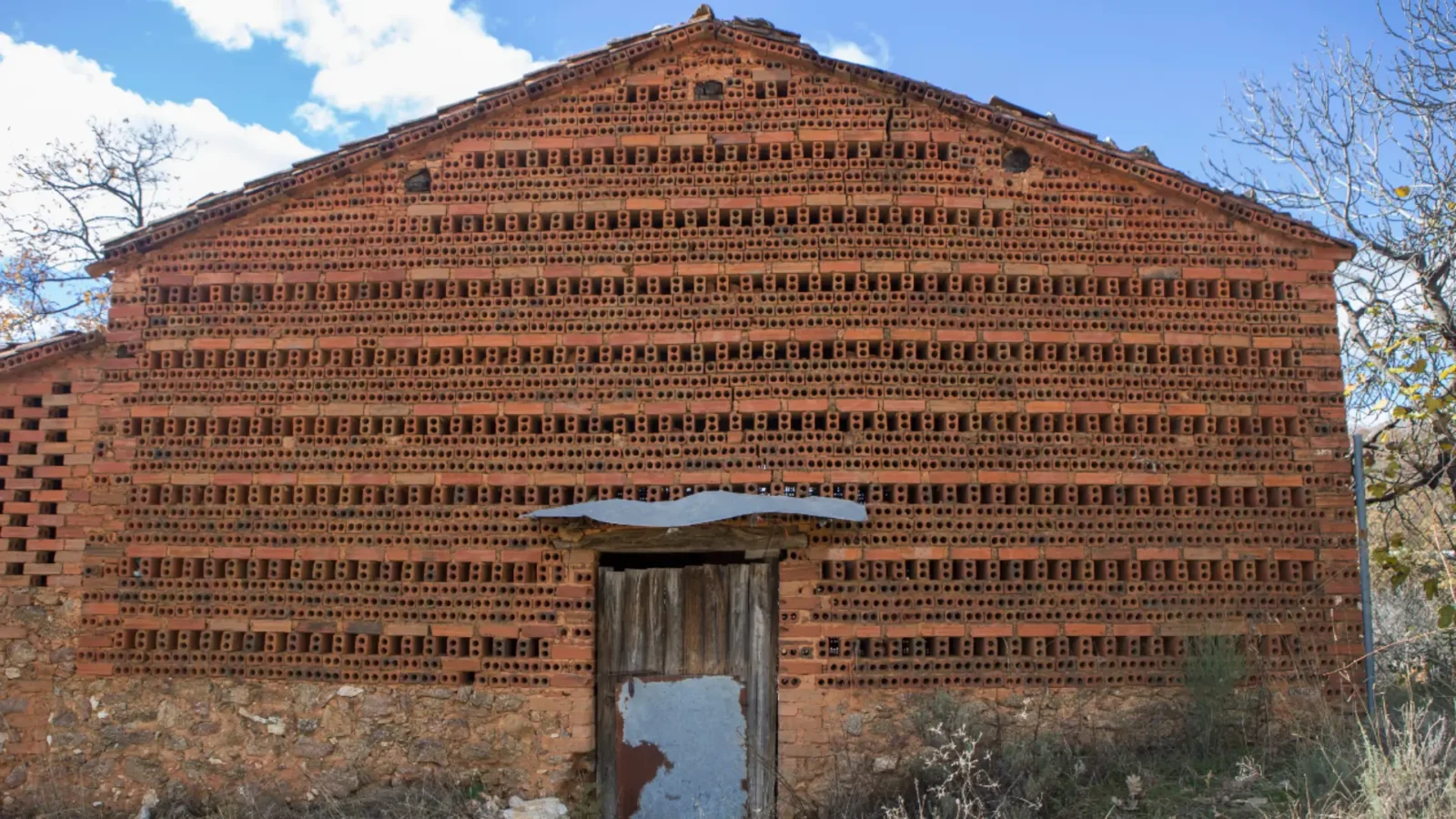
Jarandilla is a working La Vera town, not a museum. Old houses lean over narrow lanes. At the edges stand tall brick tobacco-drying sheds — the secaderos — a reminder that this valley grows much of Spain's tobacco and its famous smoked pimentón. An eagle-topped stone fountain marks the old square. The river valley starts at the edge of the streets, so a morning walk can end with your feet in a cold mountain pool. It is also a natural base: five of La Vera's protected historic villages, plus the Jerte Valley and the monastery at Yuste, all sit within a short drive.
Day trip or overnight?
You can see Jarandilla in an afternoon — walk up to the church, cross the old Parral bridge, look round the castle courtyard, and you have the shape of the place. But that means leaving just as it gets good. Our honest advice: stay the night. A perfect short visit looks like this. Arrive in the afternoon and walk down to the Garganta Jaranda for a swim or a riverside sit. Back in town, follow the lanes up to the Church of Santa María de la Torre and climb its tower for the valley view. Eat slowly in the old quarter, then walk the quiet streets after dark, when the day's visitors have gone and the castle is lit. Sleep here, and the morning is yours before anyone else arrives.
What to See in Jarandilla de la Vera

Castle of the Counts of Oropesa (the Parador)
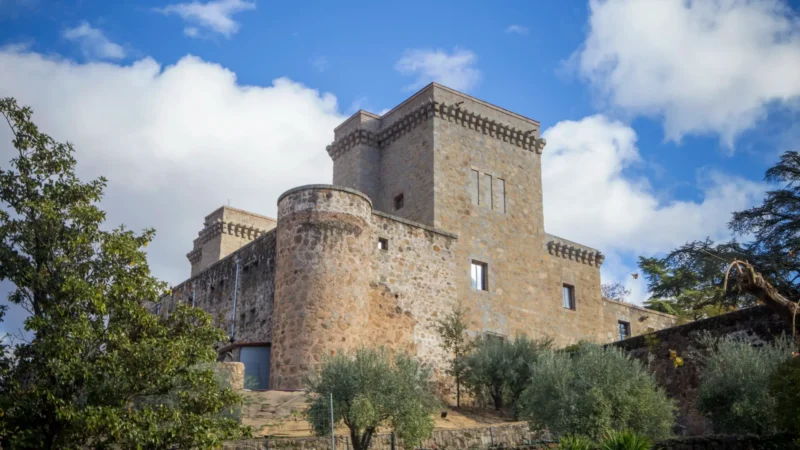
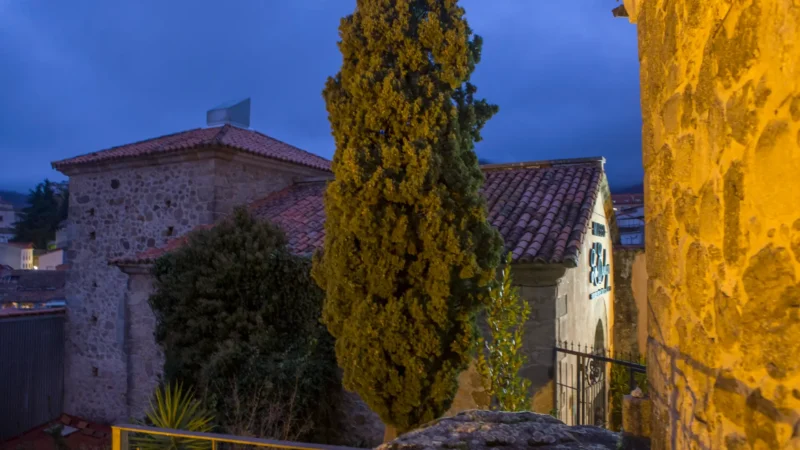
The town’s landmark is a 15th-century castle-palace. It was built when Jarandilla joined the County of Oropesa. It still has its moat, towered walls and a two-storey Gothic gallery around the inner courtyard. Its most famous guest was Emperor Charles V, who stayed here for several months in 1556–57 before moving to Yuste. Today it is a Parador hotel, but the courtyard and public areas can be seen, and the exterior is free to admire from the street.
Church of Santa María de la Torre
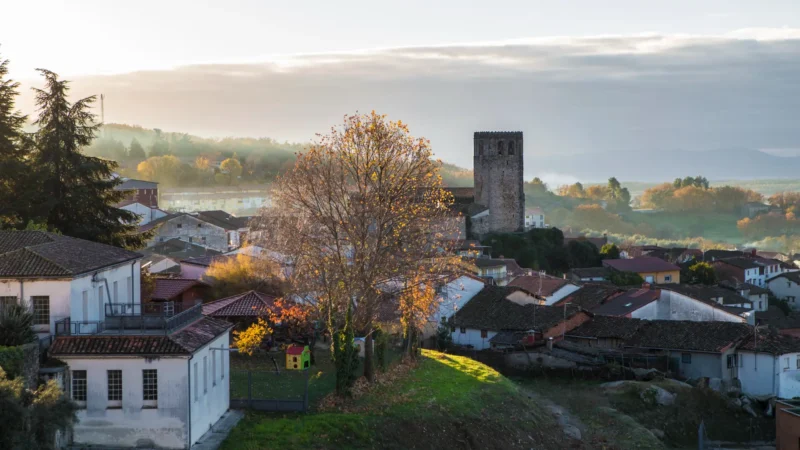
This is the town’s main church, with roots in the 14th century. It stands on what was once a medieval fortress and, before that, a Celtic hillfort; the old keep now works as the bell tower. The link to the Knights Templar is part of local history. Inside are a Visigothic font and a Roman funerary stela. Climb the tower for one of the best views over the town and the Sierra de Gredos behind it.
Museo de los Escobazos
A small interpretation centre tells the story of the town’s famous fire festival. It sits in a former 17th-century chapel near the church and is open through the year, so you can understand Los Escobazos even if you visit in summer. Displays, photos and the tools used on the night explain how a shepherds’ tradition became one of La Vera’s defining events.
Parque La Aliseda
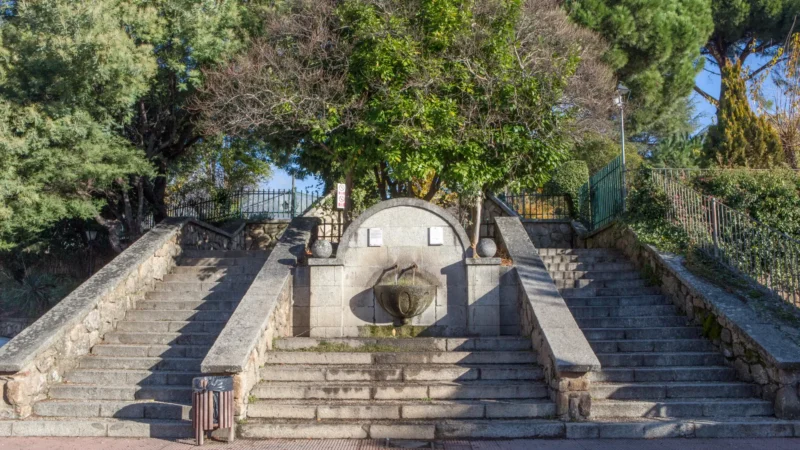
Right behind the castle lies La Aliseda, a leafy public park built around a quiet pond. A monumental stone fountain and staircase mark one of its entrances. It’s a calm, shaded spot for a rest between sights — and, more usefully, it gives some of the best views back at the castle and Parador. Free to enter, open through the day. An easy detour that pairs naturally with a castle visit.
Puente del Parral (the old bridge)
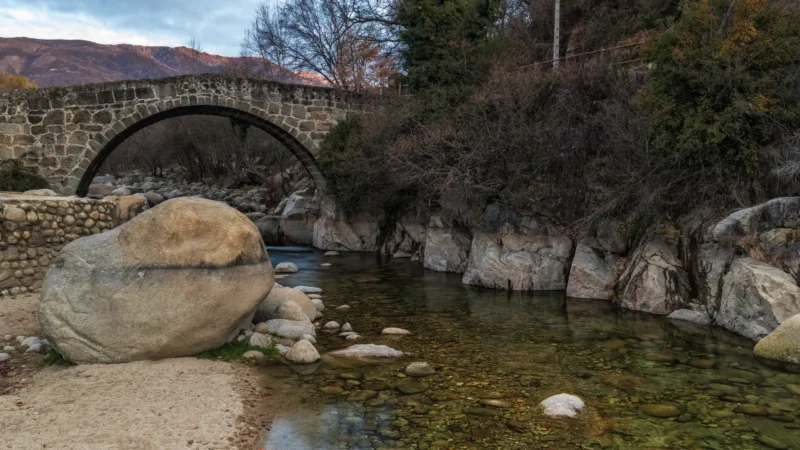
At the edge of town, a medieval stone bridge crosses the Garganta Jaranda. Charles V crossed it in 1557 on his way to Yuste, and it still marks the start of the Carlos V hiking route. The bridge sits beside one of the town’s natural swimming pools, so it works as both a quiet historic spot and the gateway to the river. It is an easy, signposted walk down from the centre.
The old quarter and its fountains
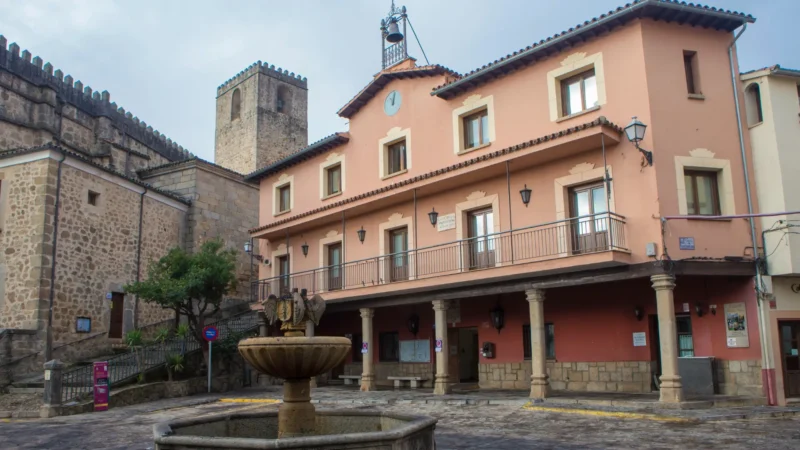
The heart of Jarandilla is its tangle of old streets around the main square, the Plaza de la Constitución. Here you’ll find traditional half-timbered houses, balconies and a much-photographed stone fountain topped with a two-headed eagle. It is a place to wander slowly rather than tick off — the architecture, the water running through the lanes, and the everyday life of a La Vera town.
What to Do in Jarandilla de la Vera
Swim the Garganta Jaranda
The river that runs past the town is Jarandilla’s summer star. The Garganta Jaranda comes down clear and cold from the Sierra de Gredos and forms a string of natural pools. The easiest to reach are around the Puente del Parral and the Puente de la Serradilla, both signposted with parking nearby. For a wilder spot, walk the marked path up to the Charco del Trabuquete. Bring water shoes — the granite is smooth but the water stays cold even in August.
Walk part of the Ruta de Carlos V
The historic route that follows the emperor’s final journey ends here, at Jarandilla. The full path runs from Tornavacas in the Jerte Valley, over the Puerto de las Yeguas pass, and down to the town — about 25 km, usually walked over a day. You don’t have to do all of it. From the Puente del Parral you can follow the lower, gentler section through oak and chestnut woods and turn back when you like. The full re-enactment walk takes place each year on the first weekend of February.
Take a short drive into the Sierra
Jarandilla sits where the valley meets the mountains, so a few minutes’ drive changes the scenery completely. The road up to Guijo de Santa Bárbara, the highest village in La Vera, climbs fast and opens up wide views back over the valley. It is a simple, rewarding loop by car, with more cold-water gargantas along the way if you want another swim.
Prefer to go with a guide for any of this? Ask where you're staying, or at the tourist office on the Plaza de la Constitución — they'll know what's running, in which language, and can point you to something that fits.
Seasonal Events and Festivals
Los Escobazos (7 December)Jarandilla’s defining night, and a Fiesta of National Tourist Interest. At dusk on 7 December, in honour of the Immaculate Conception, the town fills with fire: people light torches made of dried broom and tap each other with them in a friendly “battle,” while large bonfires burn in the squares until well after midnight. It grew from a real shepherds’ tradition of lighting the way down from the mountains. The date is fixed every year. For the full programme, see the town’s official site, jarandilladelavera.es.
Ruta de Carlos V walk (first weekend of February)Each year, walkers and riders retrace the emperor’s route from Tornavacas down to Jarandilla. Check the exact dates on jarandilladelavera.es before you plan around it.
Getting There and Around
Jarandilla de la Vera sits in northern Cáceres province, on the EX-203 that runs along the La Vera valley.
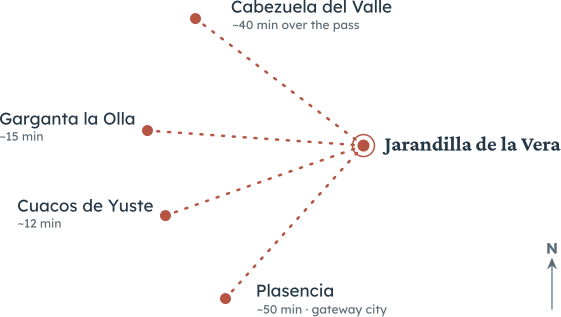
From Madridabout 2 hours 15 by car (roughly 215 km): take the A-5 west, exit at Navalmoral de la Mata, then the EX-119 and EX-203 up into La Vera.
From Plasenciaabout 50 minutes by car (about 50 km) on the EX-203 — the nearest city and a good gateway.
From Cáceresabout 1 hour 45 by car (about 130 km).
Nearest airportsMadrid (MAD) is the main international option, about 2 hours 15 away. Seville is roughly 3 hours to the south for travellers coming from Andalusia.
By public transportbuses run from Plasencia (the regional hub) to Jarandilla, but a car makes the valley far easier to explore.
Getting around
You don’t need a car inside Jarandilla — the old town is small and best walked, and you can leave the car in the lower town or near the Parador. But you do want one for the region. The natural pools, the nearby historic villages, the Monastery of Yuste and the Jerte Valley are all short drives away, and there is no useful local transport between them. If you’re touring Extremadura, this is exactly the kind of base where having your own wheels pays off.
Looking for a ready-made plan? See our Extremadura road trips.
Practical Info
- Castle / Paradorhe exterior and street views are free; the courtyard and public areas can usually be seen. The simplest way to experience the inside fully is to stay or eat there. Check current details on the Paradores website.
- Church toweropening times for the Santa María de la Torre tower vary and can be seasonal — ask at the tourist office on the day.
- Natural poolsbest from June to September. Water stays cold year-round. Parking by the main pools fills up on summer weekends, so go early.
- Climatetucked under the mountains, La Vera is greener and far wetter than lowland Extremadura. Summer highs reach about 34°C (July and August are for the river and the gargantas), winters are cool (around 11°C by day) and autumn is the rainiest season. Late spring and early autumn are ideal — warm, green and quiet. Early December brings Los Escobazos and a very different, crowded, atmospheric town.
Where to Stay in Jarandilla de la Vera
The real reward of Jarandilla comes after dark. The day-trippers leave, the old streets empty, the castle lights come on, and the only sound is water running through the lanes. Stay the night and the town — and the cold morning river before anyone arrives — is yours. Here’s where we’d sleep.
Parador de Jarandilla de la Vera
Sleep inside the castle where Charles V waited out his last months — towers, a moat, a Gothic courtyard and an outdoor pool among olive and orange trees. Recently restored, it pairs medieval walls with full modern comfort, and its restaurant turns out hearty Extremaduran cooking. The headline stay of the whole cluster.
Check prices & availability for Parador de Jarandilla de la Vera on the accommodation's websiteComplejo Rural La Coronilla
A rural complex of stone-built casas rurales and villas in a pine wood, about 1.5 km outside town. Each has its own terrace and looks out over the La Vera hills; some have a jacuzzi and fireplace. There’s a large, beach-style pool with mountain views — a calm, green retreat for couples or families who want space and quiet.
Check prices & availability for Complejo Rural La Coronilla on the accommodation's websiteHostal El Descanso del Emperador
A simple, central hostal with an unbeatable location — you can walk everywhere from the door. Clean, comfortable rooms at a budget price under recent new ownership. The honest, affordable choice.
Check prices & availability for Hostal El Descanso del Emperador on the accommodation's websiteHotel Rural Don Juan de Austria
A warm, well-run rural hotel right in the heart of town, with a small spa and a praised breakfast. Cosy rooms, a friendly team and the river a short walk away — an easy, comfortable base for exploring La Vera.
Check prices & availability for Hotel Rural Don Juan de Austria on the accommodation's websiteLa Posada de la Gula
A relaxed, characterful guesthouse in the centre, with a garden patio and a bar locals rate for its cocktails. Spacious, spotless rooms and a quiet, unhurried feel — a favourite with walkers and cyclists.
Check prices & availability for La Posada de la Gula on the accommodation's websiteLa Posada de los Sentidos
A characterful village house with five individual rooms, a fireplace and a saltwater pool, ideal for a group or a family who want the whole place to themselves. Friendly owners and a genuine La Vera feel.
Check prices & availability for La Posada de los Sentidos on the accommodation's website

Where to Eat in Jarandilla de la Vera
You’ll eat and drink well in Jarandilla, at every budget. This is La Vera, home of smoked pimentón, mountain kid goat, river trout and rough, honest pitarra wine. For its size, the town has a surprising run of ambitious kitchens — two of them in the Michelin guide. Two simple rules make it easy. For a relaxed lunch while you’re out walking, the squares and the main avenue have good-value spots. For dinner, book ahead at one of the better tables, especially in summer and around the December festival.
The town’s special-occasion table, set on a finca with valley views. Refined cooking built on top local ingredients — think tasajo croquettes, ravioli and slow-roast suckling pig. The setting alone is worth the booking.
El Labrador
A long-running local favourite for honest, generous Extremaduran cooking. The Iberian pork and the weekend menú del día are the things to order, and the value is hard to beat. Friendly and unfussy.
El Patio de la Posada
Local dishes “with a twist,” served in a pleasant courtyard setting. A reliable mid-range option that does the regional staples but plates them with a bit more care.
A modern spot near the old bridge, known for inventive tasting menus and standout service. Good for a special, relaxed dinner without the formality of a fine-dining room.
A small, ambitious kitchen recommended in the Michelin guide, where a talented cook mixes traditional La Vera produce with modern technique. Open kitchen, short menu, big reputation locally. Book ahead.
On the main square, with a terrace and a kitchen known for well-grilled meat and fish croquettes. A solid, good-value choice for lunch or an easy dinner in the centre of town.
Region, Nearby and Routes
Part of Extremadura
Jarandilla de la Vera is in Extremadura
Part of these routes
Jarandilla de la Vera is one stop on our Emperor's Valley Trail
Nearby places
- Cabezuela del ValleThe best-preserved old town in the cherry valley, with a medieval quarter and a million blossoming trees on its doorstep.
- Cuacos de YusteThe La Vera village beside the monastery where Emperor Charles V chose to spend his last years.
Frequently Asked Questions
Yes. It pairs a real castle — now a Parador, where Emperor Charles V once stayed — with cold, clear mountain pools right below the town and a quiet, lived-in old quarter. It also makes an excellent base for the rest of La Vera and the Jerte Valley.
Three things: the Castle of the Counts of Oropesa (now a Parador) where Charles V waited before retiring to Yuste; the natural swimming pools of the Garganta Jaranda; and Los Escobazos, its dramatic fire festival on 7 December.
Half a day covers the castle, church and old bridge. But it’s better as an overnight base — stay a night or two and you can add a river swim, a stretch of the Carlos V route, and day trips to Yuste and the nearby villages.
You can, but it’s a long way for a day. The town is best enjoyed slowly, with an overnight stay so you have the quiet evening streets and the early-morning river to yourself, and a car for the surrounding valley.
Late spring and early autumn are ideal — warm, green and uncrowded, at comfortable temperatures. Summer is for swimming the gargantas, though July and August highs reach about 34°C. Up in this valley it is cooler and much greener than the Extremadura plains. Visit on 7 December for Los Escobazos, but expect crowds and book accommodation well ahead.
The standout is the Parador, set inside the historic castle. For something in the heart of town, Hotel Rural Don Juan de Austria and La Posada de la Gula are both warm, well-run choices, while Hostal El Descanso del Emperador is the budget pick. For garden space and a pool, look at Complejo Rural La Coronilla just outside town.
For honest, good-value Extremaduran cooking, try El Labrador or La Cabaña. For something more ambitious, Restaurante Al Norte (in the Michelin guide) and Imperial Kitchen are both excellent, and Veratus is the special-occasion table with valley views.