
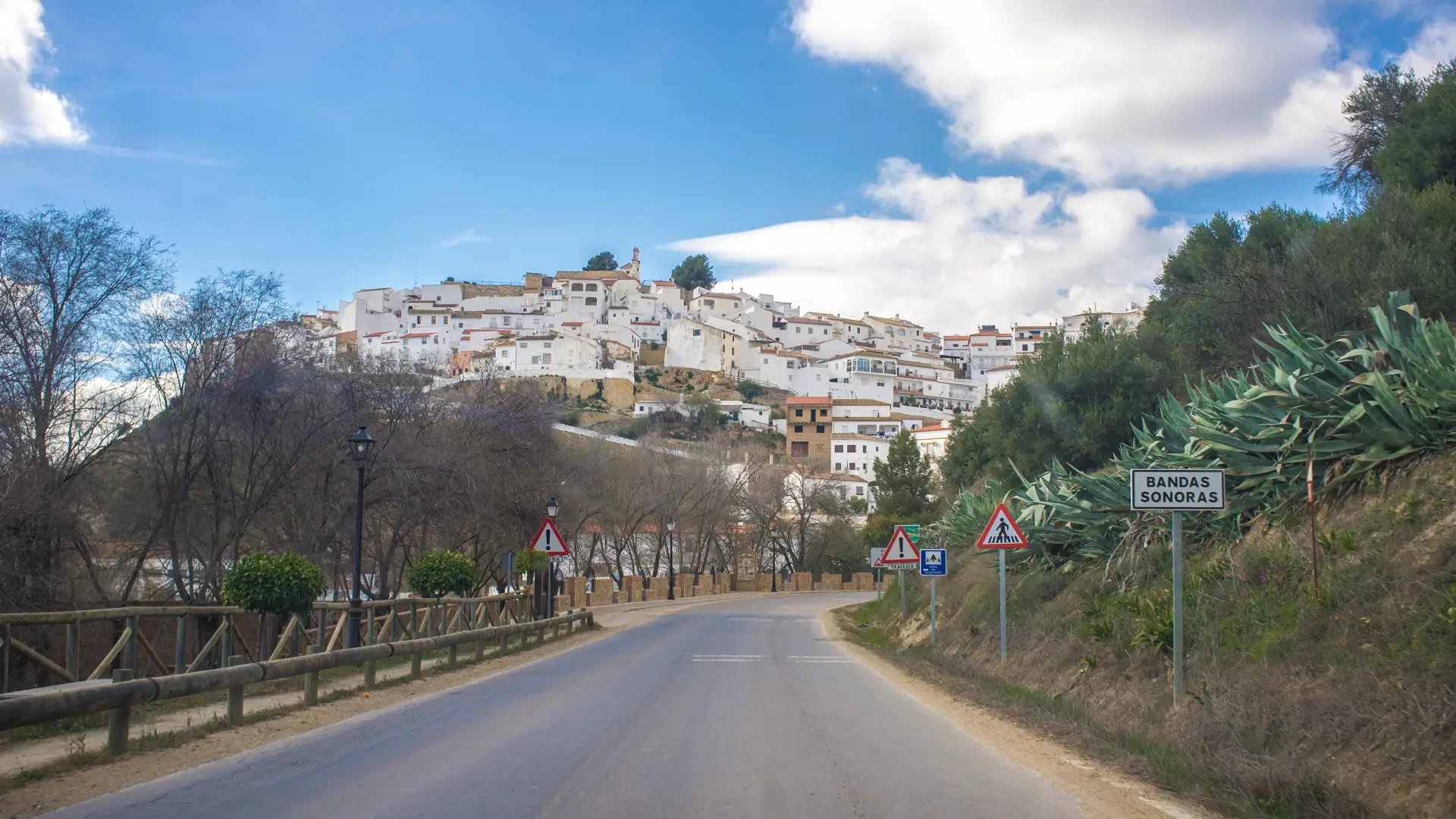
The White Villages Trail: Andalucía Road Trip
Seven unhurried days through the Pueblos Blancos of the Sierra de Cádiz — from clifftop Arcos to the gorge of Ronda and the leather town of Ubrique, one white village at a time.
- StartArcos de la Frontera
- EndUbrique
- Duration7 driving days, 7 nights
- Total distanceAbout 230 km (trip core ~174 km + optional airport legs)
- NightsArcos ×1 · Grazalema ×1 · Zahara ×1 · Olvera ×1 · Setenil ×1 · Ronda ×2 · Ubrique ×1
- Best forCar or motorbike
- DifficultyEasy to moderate — short legs, but narrow, winding mountain passes
- Best seasonSpring (April–June) and autumn (September–October)
- PaceRelaxed
- Flying in?Jerez (XRY), round trip. Allow an extra arrival and departure day on top of the seven driving days — so figure roughly nine days off work if you fly. Driving down in your own car or bike? Ignore this line and start in Arcos.
Why this Route?
Andalucía’s white villages sit scattered across the Sierra de Cádiz like sugar cubes on a green hillside. Whitewashed houses, a Moorish castle on the high point, long views over olive groves and mountains. Most people see one or two on a rushed coach day from the coast. This road trip does the opposite. Over seven relaxed days you drive from one white village to the next and sleep in a different one each night. That way you catch each town at its best — the quiet hour after the day-trippers leave, and the still morning before they arrive. The drives are short. The crowds thin the moment you turn off the main road.
A different white village every night
What ties these days together is a simple rhythm: arrive, climb to a viewpoint or a castle, eat the town’s own dish, sleep, and drive on in the morning. Each village has one thing that is truly its own. Arcos balances on a sandstone cliff. Grazalema catches mountain rain and turns green while the plains burn. Zahara guards a turquoise reservoir under a single tower. Olvera wears a castle and a great church side by side. Setenil tucks its streets under overhanging rock. Ronda splits in two over a 100-metre gorge. Ubrique cuts and stitches leather for the world’s luxury names. Seven nights, seven distinct places — not one white smudge seen in a hurry.
How it's paced, and who it's for
This is a slow plan, not a checklist sprint. No single drive runs much over an hour, and most are far shorter, so no day is lost behind the wheel. That leaves time for the thing these villages reward: doing very little, well. A slow coffee in a quiet plaza. A walk up to a ruined keep for the view. A shop selling local cheese and olive oil. The trip is the drive from Arcos to Ubrique. It reads the same whether you flew into Jerez and picked up a car, or drove down from home and started straight in Arcos. It suits travellers who would rather linger in seven small towns than tick off all seven in one frantic day.
Getting there and around
The trip begins in Arcos de la Frontera, a white town balanced on a sandstone ridge in western Cádiz. There are two ways to reach the start: fly into Jerez and hire a car or bike, or drive down from home and start straight in Arcos.
Flying inThe closest airport is Jerez (XRY) — about 37 km, roughly 30 minutes to Arcos, and the simplest arrival, with seasonal links to the UK and northern Europe. Seville (SVQ) is about 1 hour 15 (more flights, often cheaper fares), and Málaga (AGP) about 2 hours 30 to Arcos — a long drive, but worth knowing, because Málaga is the closest airport to Ronda if you would rather run the loop the other way. Jerez also has a train station on the main line, though you still drive the last stretch to Arcos. Flying adds an arrival day at the start and a departure day at the end, on top of the seven driving days.
If your flight lands lateIf your flight lands in the evening, sleep near the airport and start fresh in the morning. The roads up into the sierra are narrow and winding, and driving them for the first time in the dark is no way to begin a relaxed trip. Check your hire desk’s hours, too — many run to about midnight, but not all, so an airport hotel plus a morning pickup is the clean fallback on a very late landing. See our Practical Info page for driving-in-Spain details.
Self-drive — car or motorbikeThis is a self-drive trip by car or touring motorbike — the mountain roads and short legs suit both, and a bike is a real alternative on this route. There is no practical way to link these villages by bus, and the freedom to stop at a viewpoint is half the pleasure. Hire at your arrival airport and keep the vehicle until you fly home.
If you’re arriving in your own car or motorbikeMany travellers drive down from the Netherlands, Belgium, France, UK or Germany, already keep a place in Spain, or roll straight off another trip. You don’t need the flights or the hire car — the trip simply begins in Arcos, so skip the fly-in notes above and start at Day 1.
See the drive to the startOpen in Google Maps. This shows the route to Arcos de la Frontera. Set your starting point in the “from” field — your home if you’re driving down, or your arrival airport if you’re flying in — then send it to your phone or car if you want it ready for the road.
The Itinerary
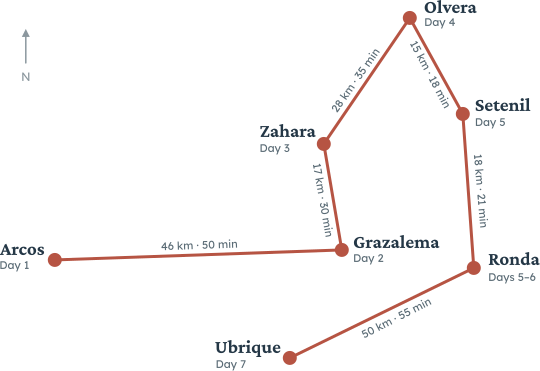
The trip runs as a loop through the Sierra de Cádiz: west to east across the villages, then back south to Ubrique and on to the Jerez gateway. You move on most mornings, sleep in a new village most nights, and settle for two nights only in Ronda, the one town big enough to fill them. The plan below is the backbone, not the full list: each day links to that town’s own guide, so head there for every sight, restaurant and guided tour once you know which day is yours.
Day 1 — Arcos de la Frontera
The driveIf you’re flying in, Jerez (XRY) to Arcos is about 37 km, roughly 30 minutes; Seville about 1 hour 15. Arriving in your own car or bike, or from an earlier stop, you just reach Arcos when you do — see Getting there for the ways in. There’s nothing to rush today.
The shape of the dayArrive and settle in. Let the trip begin gently, with an afternoon and evening to walk up into the old town as it empties out.
Arcos de la Frontera is one of the most dramatic of the white towns. Its old quarter is strung along a narrow sandstone ridge, with the Guadalete river curling far below on three sides. Allow a relaxed afternoon to climb the Cuesta de Belén into the old town. It comes out on the Plaza del Cabildo at the top, where the Balcón de Arcos hangs over a sheer drop nearly 100 metres above the valley. Climb the Santa María bell tower for the widest view — the rooftops, the castle walls, San Pedro across the way. Then walk the mirador trail round to the San Pedro side as the light drops and the day visitors leave. The old town is small; the pleasure is the slow climb and the sudden views, not a long list of sights.
Where to eatArcos’s own dishes are the garlic-and-bread ajo caliente (also called ajo molinero), wild-thistle tagarninas, and the sweet biscuits the convent nuns still sell from a hatch.
- Lunch tip (if you arrive in time)Bar La Cárcel (€€ · Tapas · Arcos). A tapas spot in the historic centre run with real care; try the local queso de Arcos and the fried artichokes.
- Dinner tipGastrobar El Retablo (€€ · Gastrobar · Arcos). A small modern kitchen doing refined tapas from good local products, with pork cheek and tuna among the picks and a strong local wine list, a half-step up from the classic bars.
Where you sleep tonightTonight you sleep in Arcos de la Frontera, in the old town near Plaza del Cabildo — your first night up on the ridge. See where we’d stay.
Day 2 — Grazalema
The driveArcos to Grazalema is ~46 km, about 50 minutes, on the A-372 climbing steadily into the park through El Bosque.
The shape of the dayA short drive into the mountains, then a green, cool day. A village to wander, and a walk in the sierra at whatever level suits you.
Grazalema sits at around 800 metres, pressed against the grey wall of the Peñón Grande. It catches more rain than almost anywhere in Spain — about 2,200 mm a year. That keeps the sierra green while the plains turn brown, and griffon vultures circle overhead most days. Allow time to walk Calle Las Piedras up to the Mirador de los Peñascos, for the classic view over the rooftops to the rock. Take a terrace on the Plaza de España by the four-spouted stone fountain. Look in, too, at the working blanket factory on the Ronda road, where the wool mantas de Grazalema have been woven since the 18th century.
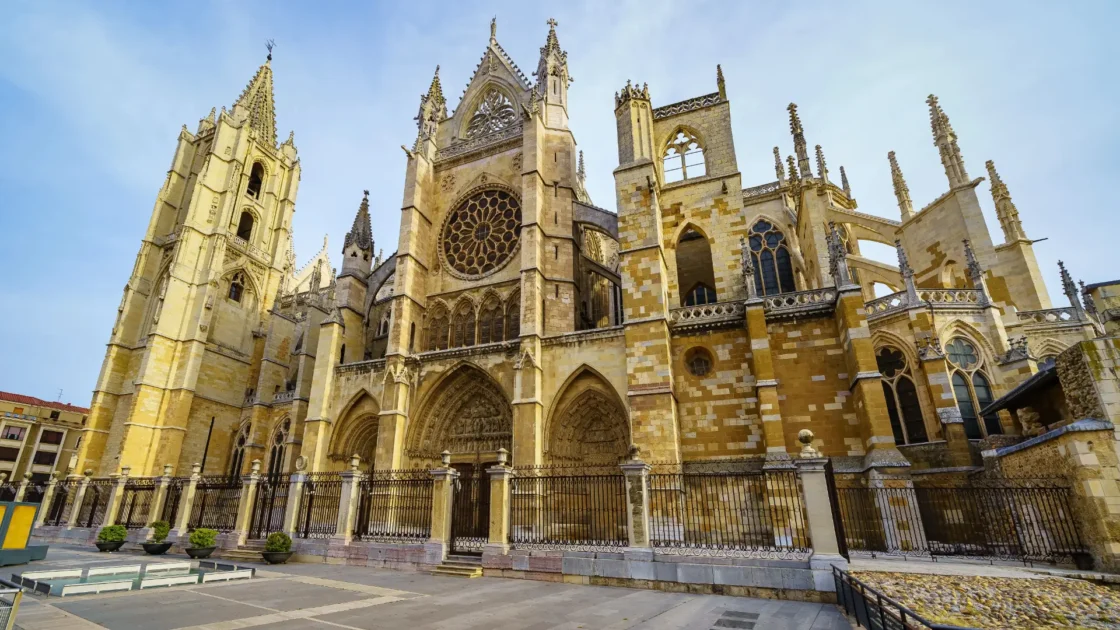
Then take a walk: the free Cerro Coros loop from the Puerto de las Palomas car park is about two hours, with vultures often gliding at eye level, and needs no permit. The reserve trails (Pinsapar, El Torreón, Garganta Verde) need a free permit, booked ahead through the Junta de Andalucía’s Spanish-only system, and close or restrict access from about 1 July to 15 October for fire risk — so if you want one, arrange it before you arrive.
Want a different pace?Pick at most one — it’s still one day, and you still sleep in Grazalema. Add a longer walk: swap the village stroll for a permit hike if you booked one, or the riverside Río Majaceite path from Benamahoma (shady, level, no permit). Or slow it right down: skip the walking altogether and spend the afternoon on the Plaza de España with a coffee and the cheese, watching the mountains change colour.
Where to eatGrazalema gives its name to payoyo goat’s cheese and to sopa de Grazalema, a warming soup of bread, chorizo, egg and mint; kitchens here roast local lamb in wood ovens.
- Lunch tipGastrobar La Maroma (€ · Gastrobar · Grazalema). Creative tapas with a local heart, easy to like after a morning on the trails.
- Dinner tipRestaurante Cádiz El Chico (€€ · Traditional mountain kitchen · Grazalema). The village classic by the square, known for wood-fired local lamb and a proper sopa de Grazalema; leave room for the payoyo cheese tart. Closed Thursday — on a Thursday, Mesón El Simancón (€€ · Traditional · Grazalema) does grilled meats and fried payoyo with a view.
Where you sleep tonightTonight you sleep in Grazalema, ten minutes from a trailhead and cool at altitude after the plains. See where we’d stay.
Day 3 — Zahara de la Sierra
The driveGrazalema to Zahara is ~17 km, about 30 minutes, but it climbs the Puerto de las Palomas pass at over 1,300 metres in a ladder of hairpins — go slowly and stop at the mirador near the top for one of the great views of the sierra.
The shape of the dayA spectacular drive over the pass, then a small village on the water. A steep climb to a tower, and the lake below.
Zahara de la Sierra wraps around a crag under a single Moorish tower, above the turquoise Zahara-El Gastor reservoir — one of the most photographed views in the Sierra de Cádiz. Park below the walls and climb the steep lane from the Plaza del Rey to the Torre del Homenaje, the castle keep — about ten to fifteen minutes up. Entry is free, and from the top you get the full sweep of the reservoir, the olive groves and the Grazalema peaks. Wander the whitewashed old town, a protected historic quarter of steep, uneven lanes and small squares, and take in the church of Santa María de la Mesa with its tiled bell tower. Allow a slow afternoon; the village is small, and the reward is the quiet evening once the day visitors go.
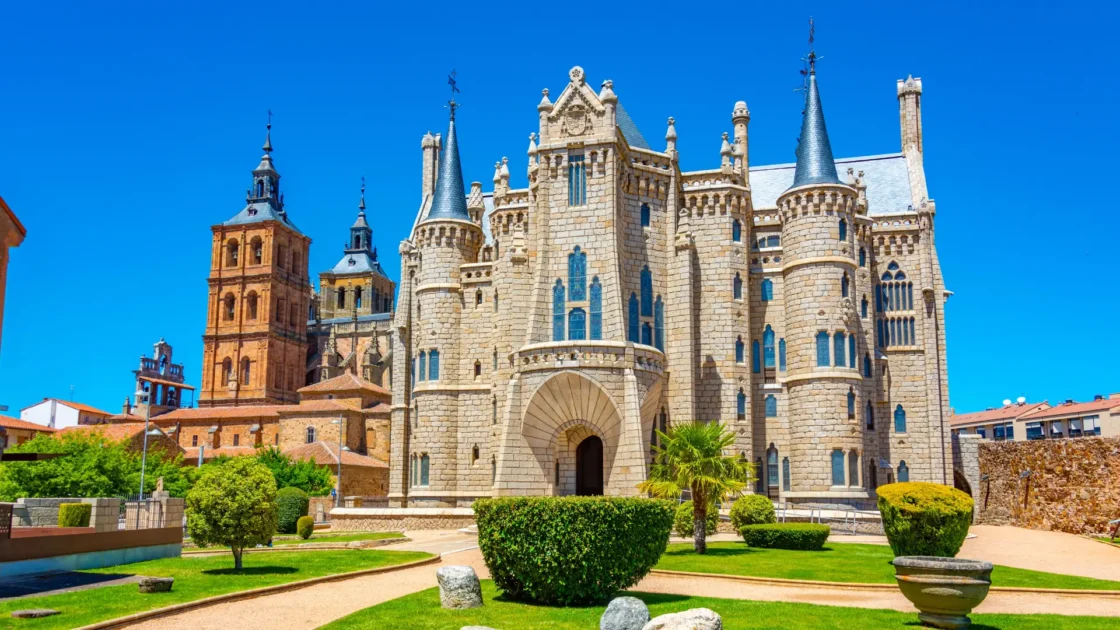
Want a different pace?Pick at most one — it’s still one day, and you still sleep in Zahara. Add a swim: in summer, drop to the Arroyomolinos recreation area (la playita) at the reservoir’s edge, a small inland beach with treated water and lifeguards, to cool off after the climb. Or a gentler afternoon: skip the keep and simply take a lakeside terrace, watching the light move over the water and the Grazalema peaks.
Where to eatThis is mountain country — slow-cooked meats, game, soups and the sharp payoyo cheese made nearby.
- Lunch tipMesón Oñate (€ · traditional Andaluz · Zahara). warm, good-value village favourite full of locals; try the berenjenas rocieras and the melt-in-the-mouth rabo de toro. Open Thursday–Sunday, lunchtimes only — on closed days, El Cortijo de Zahara (€€ · Mediterranean / grill · Zahara ) grilled meats, skewers and tagines on a terrace with lights in the trees and the lake below.
- Dinner tip Restaurante Al Lago (€€ · Mediterranean · Zahara). Local produce, homemade ice creams and a decent wine list make it a pleasant place for a relaxed dinner with a view.
Where you sleep tonightTonight you sleep in Zahara de la Sierra, with the tower lit above you and the lake going dark below. See where we’d stay.
Day 4 — Olvera
The driveZahara to Olvera is ~28 km, about 35 minutes, dropping out of the high sierra toward the olive country via Algodonales.
The shape of the dayA drive into olive country to a town with two crowns, a castle and a great church. On its edge runs one of Spain’s finest greenways.
Olvera rises from a sea of olive trees. Its pale Moorish castle and the tall twin towers of a neoclassical church stand side by side at the top — a twin skyline you read from miles off across the groves. Climb the steep white lanes of the old Barrio de la Villa to the Castillo de Olvera, a late-12th-century frontier keep on the highest rock in town. The two floors, a stretch of wall and the old aljibe are open. The view from the top — over the roofs, the church and the olive country — is the best in town. For the classic shot of the two crowns face to face, walk up the Peñón del Sagrado Corazón in the Plaza de Andalucía. The town below stays a real working place, not a stage set.
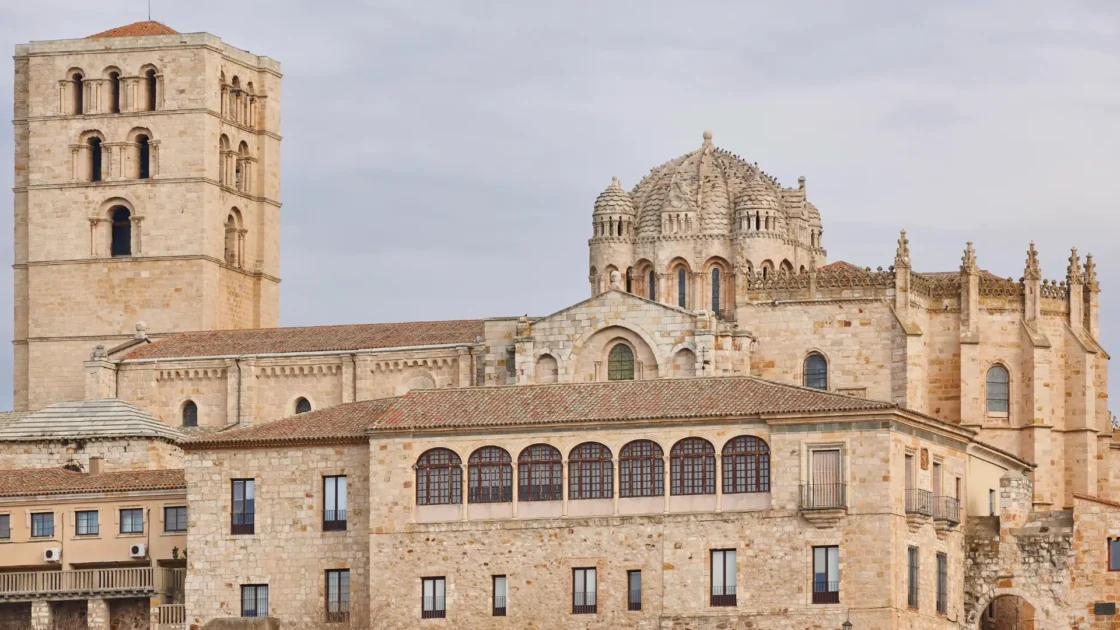
Want a different pace?Pick at most one — it’s still one day, and you still sleep in Olvera. Add the greenway: ride or walk a stretch of the Vía Verde de la Sierra, the flat, car-free old railway line that starts in Olvera and runs 36.5 km through tunnels and viaducts past the Zaframagón vulture colony — a local outfitter can add bikes and a taxi shuttle so you never double back. Or an olive-oil tasting: the town’s co-operative mill runs guided visits of the working almazara ending in a led tasting — a genuine producer visit, good on a hot midday; book ahead.
Where to eatOlvera is the home of the DOP Sierra de Cádiz olive oil, and its kitchens lean on it — slow-cooked pork cheeks (carrillada), rabo de toro, hearty tapas to share.
- Lunch tipLa Tarara Neotaberna (€€ · Bistro · Olvera). A modern take on sierra cooking that has held a Michelin Bib Gourmand for years; the artichoke salad, garlic prawns and pork cheeks are standouts. Reserve ahead; closed Tuesday, and dinner runs Thursday–Saturday only, so it’s a lunch pick most days.
- Dinner tipTaberna Juanito Gómez (€ · Tapas · Olvera). the town’s tapas benchmark, plates made fresh and priced low, with a fine view. Closed Sunday — on a Sunday, Bar La Plaza on the Plaza del Ayuntamiento does an honest dish of the day with a church view.
Where you sleep tonightTonight you sleep in Olvera, the church towers gold at sunset and the lanes emptying out. See where we’d stay.
Day 5 — Setenil de las Bodegas, then Ronda
The driveTwo short hops today: Olvera to Setenil is ~15 km, about 18 minutes (past Torre Alháquime), and Setenil on to Ronda is ~18 km, about 21 minutes via Arriate. You stop in Setenil on the way, then settle in Ronda for two nights.
The shape of the dayA morning in the strangest village on the route, built under the rock. Then a short drive to the grand finale, Ronda, with the evening to see the gorge once the coaches have gone.
Setenil de las Bodegas grew inside a river gorge, its whitewashed houses pressed under huge overhanging slabs of rock so the stone becomes their roof. Walk Calle Cuevas del Sol, where terraces sit under the great south-facing overhang along the Río Trejo. Then cross a little bridge to the narrower, cooler Calle Cuevas de la Sombra, where the rock closes right over the lane. Climb the short, steep cobbles to the Torreón, the Moorish keep, for the view that makes sense of the town — white houses stacked in the gorge under the church and tower. Give it an extra half-hour off the two main streets, up Calle Calcetas between orange trees, to see the Setenil that people actually live in. Then drive on to Ronda.
Ronda is the largest and most famous town on the trail. It sits on a plateau split clean in two by El Tajo, a gorge more than 100 metres deep, with the 18th-century Puente Nuevo leaping across it in one bold arch. It fills with day-trippers by mid-morning and empties by late afternoon — which is exactly why you sleep here. Arrive, settle in, and walk the gorge and the miradores at golden hour: cross the Puente Nuevo, follow the Alameda del Tajo along the cliff, and take in the postcard angle from the Mirador de Aldehuela as the light turns. Save the bullring, the old town and the Arab baths for tomorrow morning, before the coaches.
Where to eatSetenil’s food is sierra country — Iberian pork, slow-cooked meats and sopas cortijeras under the rock; Ronda’s dish is rabo de toro, oxtail cooked until it falls off the bone, with the reds of the Serranía de Ronda.
- Lunch tipLa Bar Frasquito (€ · Tapas bar · Setenil de las Bodegas). A much-loved classic right under the rock on Cuevas del Sol, with big plates of grilled Iberian meat and honest tapas. Daytime only, closed Tuesday — on a Tuesday, La Telera 1860 (€€ · Traditional · Setenil de las Bodegas) on Cuevas de la Sombra is open through the day.
- Dinner tipTragatá (€€ · Modern tapas · Ronda). Benito Gómez’s sleek small-plates kitchen reworking the region’s products; beautifully done and a favourite for something beyond the usual. Book ahead. If it’s full, El Lechuguita (€ · Tapas · Ronda) is a great alternative. A Ronda institution: a small, old-style tapas bar where locals and visitors queue for a long list of cheap, generous tapas. Great value and full of life. The famous mini rabo de toro burger is worth the wait.
Where you sleep tonightTonight you sleep in Ronda, in the old town near the Puente Nuevo — your base for two nights. See where we’d stay.
Day 6 — Ronda
No driving today — Ronda is yours to exploreIts best sights are on foot, and you have the town before the coaches and after they leave.
The shape of the dayA full, relaxed day in the one big town on the trail. The Moorish old town in the cool morning, the gorge and the bullring, and time to do very little between.
Be at the Puente Nuevo early, before the coach parties, with the bridge and the views almost to yourself. Cross into La Ciudad, the walled Moorish old town, and let the lanes lead you between gorge-edge viewpoints and quiet squares. On the way you pass the Baños Árabes, the best-preserved Arab baths in Spain, the Palacio de Mondragón with its tiled patios, and the church of Santa María la Mayor on its pretty square. See the Plaza de Toros, one of the oldest bullrings in Spain, and its museum. For the classic shot of the full bridge rising out of the gorge, take the Camino de los Molinos path down to the valley floor and back, about 40 minutes round trip on foot. Then let the afternoon go slow — a viewpoint, a terrace, the light changing on the gorge.
Want a different pace?Pick at most one — it’s still one day, and you still sleep in Ronda. Add a wine tasting: Ronda sits in real wine country, and the vineyards of the Serranía de Ronda ring the town; a cellar visit is a genuine afternoon, tasting reds and whites grown at altitude with someone who explains why the height and soils matter. Or a quiet half-day: skip the vineyards and spend the afternoon on the Alameda del Tajo benches and the old-town squares, letting Ronda slow you down.
Where to eatSetenil’s food is sierra country — Iberian pork, slow-cooked meats and sopas cortijeras under the rock; Ronda’s dish is rabo de toro, oxtail cooked until it falls off the bone, with the reds of the Serranía de Ronda.
- Lunch tipBodega San Francisco (€€ · Bodega · Ronda) in the Barrio de San Francisco pairs local dishes with a strong wine list. closed Thursday — when closed, El Lechuguita (€ · Tapas · Ronda) is a great alternative. A Ronda institution: a small, old-style tapas bar where locals and visitors queue for a long list of cheap, generous tapas. Great value and full of life. The famous mini rabo de toro burger is worth the wait.
- Dinner tipMesón Rondeño (€€ · Traditional · Ronda). A warm, family-run room in the old town doing classic mountain cooking, oxtail and lamb, with attentive service.
Where you sleep tonightTonight you sleep in Ronda again. See where we’d stay.
Day 7 — Ubrique
The driveRonda to Ubrique is ~50 km, about 55 minutes — the longest single leg of the trip, and one of the prettiest, on the A-374 mountain road through the Grazalema park.
The shape of the dayA beautiful last drive through the park to a white village unlike the others. A real working leather town, with Roman ruins on the hill above.
Ubrique is the largest of the Pueblos Blancos, wedged under sheer limestone cliffs between two natural parks. Above all it is a working leather town, where fine bags are still cut and stitched for some of the biggest luxury names in fashion. That gives it a different feel from its pretty neighbours: busy shopfronts, real streets, a town getting on with its day. Wander the steep, whitewashed old town — the Nueve Caños fountain, the mirador circuit that rings the town. Then browse the leather shops along Avenida de España. You can buy pieces made to the same standard as the brands the town supplies, straight from the source.
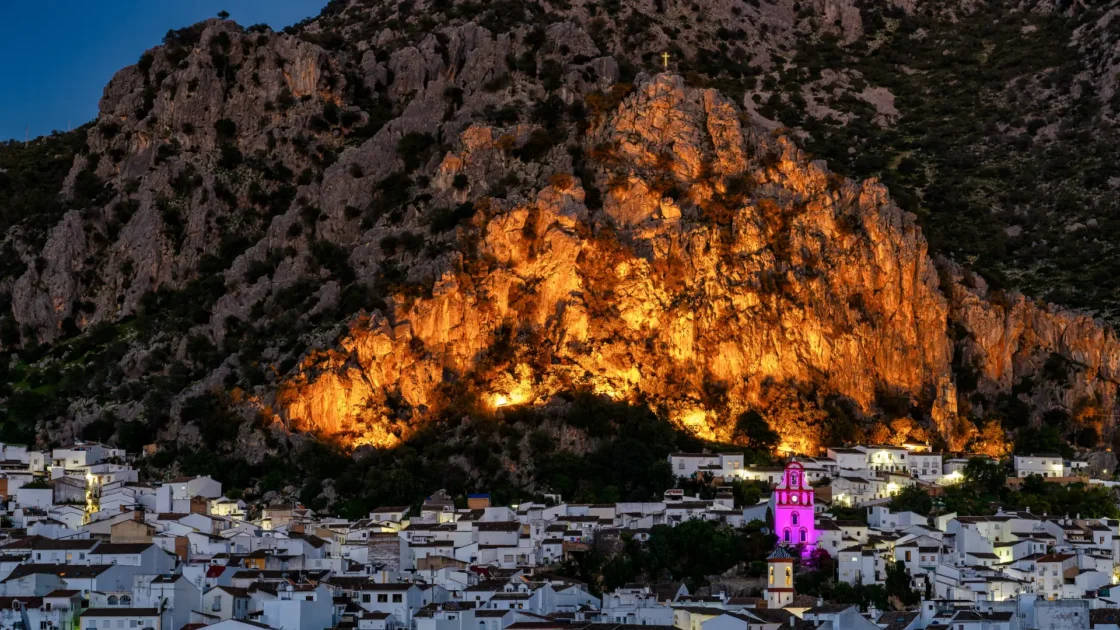
Above the town, on a hilltop reached by an old paved Roman road, stand the ruins of Ocuri. It is the most important Roman site in the Sierra de Cádiz, with cyclopean walls, cisterns, baths and a rare columbarium mausoleum. Ocuri and the town’s leather museum (“Manos y Magia en la Piel”) are seen only on guided visits with limited places, booked ahead — worth arranging before you arrive so your last day isn’t rushed. Book your Ocuri visit at the official site.
Where to eatUbrique’s food is unfussy mountain cooking — hearty pucheros, game, grilled Iberian meats and country dishes like gazpacho caliente; save room for the anise-scented piñonate the old-town bakeries make.
- Lunch tipLa Venta de Ocuri (€€ · Country restaurant · Ubrique) just below the Roman ruins on the Benaocaz road, with a big terrace and valley views, homemade local dishes; pair it with the Ocuri visit and book ahead.
- Dinner tipAbrasador El Laurel (€€ · Traditional / grill · Ubrique). A busy, family-friendly restaurant with a good-value set menu and homemade dishes; part of the Abrasador group that works with its own farm-raised meats.
Where you sleep tonightTonight you sleep in Ubrique, the working town winding down and the cliffs going dark above the roofs — the quiet end of the trail. See where we’d stay.
Practical Info
- Roads and drivingThese are rural mountain roads — mostly two lanes, in good repair, but narrow and winding, with sharp bends and steep drops on the passes (Puerto de las Palomas between Grazalema and Zahara, and the A-374 from Ronda to Ubrique). Take it easy and obey the curve signs. There are no motorway tolls on this route — the A- roads are free.
- ParkingLeave the car outside the old quarters, not inside them. Every village has free or cheap parking on its edge, and the historic centres are steep, tight and often one-way or pedestrian. In Arcos and Setenil especially, park below and walk up.
- Low-emission zones (ZBE)None of these villages runs a low-emission zone — that’s a big-city rule. You’ll only meet a ZBE if you add a city finish (Seville, or Málaga on the way home); check that city’s rules before driving into its centre.
- Fuel and chargingFill up in the larger towns — Arcos, Ronda — rather than the smallest villages. Electric? Charging is thinner up here than on the coast: Arcos, Ronda and Olvera have chargers, but plan the mountain legs with a charging app and top up in the bigger towns rather than counting on a village point. The short legs help — you rarely go far between stops.
- Timing and crowdsRonda and Setenil fill with day-trippers from mid-morning; you see them early and late instead, which is the whole point of sleeping in the villages. Many shops and sights close for a few hours in the afternoon (siesta) — plan lunch and a slow break into the day.
- Book the timed visits aheadGrazalema’s reserve trails (free permit, Junta system), and Ubrique’s Ocuri ruins and leather museum (guided slots) all need booking in advance — sort them before you travel so a village day isn’t spent waiting.
- SeasonSpring and autumn are ideal: warm days, green hills, comfortable walking. Summer is hot on the low ground around Arcos and Olvera (mid-30s °C) though cooler up in Grazalema. Winter is quiet and can be wet — the Grazalema sierra is the rainiest corner of Spain — but the villages stay lovely.
Where we’d Stay
Your seven nights, in order — one strong pick per night, mostly €€, chosen so you can just book and go. Flying in? On a late landing, sleep near Jerez airport before Day 1 and start fresh — an optional night outside the seven below. For the full range of places to stay in each town, across every budget, see that town’s own guide, linked from its day in the itinerary above.
La Cueva Park
On the A-382 between Jerez airport and Arcos, about 4.5 km from the terminal — a straightforward stop for a late landing before the mountain roads. Spacious modern rooms, an outdoor pool, private parking and its own restaurant. No airport shuttle, but it’s a 5-minute taxi (roughly €25–35) or, if your hire desk is still open, a quick drive in your own car; in the morning it’s a ~30-minute run straight to Arcos.
Check prices & availability for La Cueva Park on the accommodation's websiteHotel El Convento
A small hotel in a former 17th-century convent, tucked behind the Parador on the cliff. Many rooms have a private terrace or balcony over the valley, and the rooftop shares that same big view. Central, calm and good value for the old town.
Check prices & availability for Hotel El Convento on the accommodation's websiteHotel Fuerte Grazalema
A four-star rural hotel inside the natural park, where every room’s balcony looks over the Guadalete valley to the white village. Pool, hot tub and trails from the door — the comfortable base for a hiking stay.
Check prices & availability for Hotel Fuerte Grazalema on the accommodation's websiteHotel Al Lago
A small, family-run hotel with Moorish-styled rooms, a terrace, and wide views over the reservoir — the easy, high-converting mid-range choice, and you can eat in without moving.
Check prices & availability for Hotel Al Lago on the accommodation's websiteHotel Tugasa Sierra y Cal
A comfortable 34-room hotel in a quiet part of the old town, with a pool, a garden and its own restaurant — an easy, familiar base and one of the natural starting points for the Vía Verde. Good value and reliably rated.
Check prices & availability for Hotel Tugasa Sierra y Cal on the accommodation's websiteCasa Cueva El Arrabal
A beautifully renovated cave house in the historic centre, with one wall and the upper-floor ceiling made of living rock. Sleeps up to five, so it suits couples or a small group who want the full “sleep under the stone” experience.
Check prices & availability for Casa Cueva El Arrabal on Booking.comHotel Sierra de Ubrique
The town’s main hotel, on the lower edge with a pool, big mountain views and easy parking — the simplest, most reassuring base for international bookers, with an on-site restaurant serving local game and Iberian meats. A short, downhill-then-up walk from the centre.
Check prices & availability for Hotel Sierra de Ubrique on the accommodation's website
For the full range of places to stay in each town — every budget — see the individual town guides linked through the itinerary above.
Frequently Asked Questions
Seven driving days works well for the White Villages Trail. It gives you a night each in Arcos, Grazalema, Zahara, Olvera and Setenil, and two nights in Ronda, so you catch each village in the quiet evening and morning without rushing. If you fly in, add an arrival and a departure day on top — about nine days in all. You could do a faster version, but the calm is the whole point of these towns.
The closest airport for the white villages is Jerez (XRY), about 30 minutes from the first stop, Arcos de la Frontera. Seville is about 1 hour 15 and usually has more flights and lower fares. Málaga is farther from Arcos but is the closest airport to Ronda, so it suits travellers who want to run the loop the other way, starting in Ronda.
Yes — you need a car (or a touring motorbike) for the white villages. They are not linked by any practical public transport, and the freedom to stop at a viewpoint or a quiet town is half the trip. Hire a car or bike at your arrival airport and keep it until you fly home. The mountain roads and short legs suit both a car and a bike equally.
The driving on the White Villages Trail is easy but slow. These are rural mountain roads — good quality, but narrow and winding, with sharp bends and steep drops on the passes, especially the Puerto de las Palomas between Grazalema and Zahara and the A-374 from Ronda to Ubrique. No single leg runs much over an hour. Take your time, obey the curve signs, and there are no tolls.
The best time to visit the Sierra de Cádiz white villages is spring (April to June) and autumn (September to October) — warm days, green hills and comfortable weather for walking the villages. Summer is hot on the low ground around Arcos and Olvera, though cooler up in Grazalema. Winter is quiet and can be wet; the Grazalema sierra is the rainiest corner of mainland Spain.
No — seven days is a relaxed pace for the White Villages Trail, not a rushed one. No single drive runs much over an hour, most are far shorter, and you sleep in a different village most nights so you never have to double back. Ronda gets two nights because it is the one town big enough to fill them. The plan leaves time to do very little, which is what these villages reward.
Yes — you can drive the White Villages Trail in your own car or motorbike. Many travellers drive down from northern Europe or start from a place they already keep in Spain; the trip simply begins in Arcos, so you skip the flights and hire car. To extend it, drive on from the sierra to the quiet Atlantic beaches of the Costa de la Luz, or add a city finish in Jerez or Seville — see “Where to next” below.
Yes — a few timed visits on the white villages route need booking in advance. Grazalema’s reserve hiking trails need a free permit through the Junta de Andalucía’s system, and Ubrique’s Roman ruins of Ocuri and its leather museum are seen only on guided visits with limited places. Sort these before you travel so a village day isn’t spent waiting or turned away.
Yes, but plan the charging on the White Villages Trail more carefully than on the coast. Arcos, Ronda and Olvera have chargers, but the smaller villages and the mountain passes are thinner, so use a charging app and top up in the bigger towns rather than counting on a village point. The short daily legs help — you rarely drive far between stops.
Where to Next
The trail ends in Ubrique, a short drive from where it began. However you leave, here’s how to close the loop or carry on.
- Flying homeFrom Ubrique it’s about 77 km, roughly 1 hour back to Jerez (XRY), the nearest airport, via Arcos — an easy run for an afternoon or evening flight. Seville (SVQ) is about 1 hour 30, and Málaga (AGP) about 2 hours if that’s where you flew in.
- Flying home earlyIf your flight leaves in the morning, you can spend the last night near Jerez airport instead of in Ubrique — the same seven nights, just a different final base, so the trip stays seven days. A traveller who wants a genuine extra day adds one themselves (below).
- See the drive onwardThis starts from Ubrique. Set your destination in the “to” field — the fly-out airport, your next route’s first stop, or home — and send it to your phone if you want to navigate it. Open in Google Maps
- Carry on from the sierraTwo natural continuations, neither of them ground this trip has already covered:
- The Costa de la LuzThe quiet Atlantic coast — Vejer de la Frontera, the Roman ruins and wide beach at Bolonia, and Tarifa at Spain’s southern tip — lies about 1 to 1 hour 30 south-west of the sierra. A complete change of pace after the mountains: white towns by the sea, wind and light.
- Jerez and sherry countryRight by the airport, Jerez de la Frontera is the home of sherry, with bodega tours and deep flamenco roots — an easy city finish before you fly. See the Andalucía region guide for both.